Sur l'échelle de dureté de Mohs, le quartzite se situe aux alentours de 7 à 8, ce qui le place au-dessus du granit, dont la dureté varie entre 6 et 7, et bien au-dessus du marbre, dont la note médiocre s'élève seulement à 3 à 5. Que signifie concrètement cette différence ? Tout simplement que le quartzite résiste remarquablement bien aux rayures causées par les couteaux de cuisine, les planches à découper et toutes sortes d’usures quotidiennes. La plupart des surfaces présenteraient des dommages au bout de quelques années, tandis que le quartzite peut conserver son aspect impeccable pendant des décennies. En ce qui concerne la résistance mécanique, le quartzite possède une résistance à la compression d’environ 200 à 300 MPa, ce qui le rend environ 30 % plus résistant aux chocs que les plans de travail en quartz reconstitué. Cette durabilité exceptionnelle provient directement de la nature elle-même : la grès subit une transformation en profondeur sous terre, où des températures et des pressions extrêmes forcent les minéraux à recristalliser. Résultat ? Une roche composée de grains de quartz étroitement serrés, qui ne bougent ni ne s’écaillent pratiquement pas dans des conditions normales.
Toutes les dalles étiquetées « quartzite » ne répondent pas aux normes géologiques ou fonctionnelles. Le quartzite authentique est non feuilleté, avec des grains de quartz étroitement liés, visibles à la loupe. De nombreuses dalles commercialisées sous l’appellation « quartzite » sont en réalité des grès riches en quartz — plus tendres (environ 6 sur l’échelle de Mohs), plus poreux et plus sensibles aux piqûres acides et aux taches. Pour vérifier l’authenticité :
En ce qui concerne la résistance à la chaleur, le quartzite se distingue particulièrement près des cuisinières et autour des fours. Le quartz reconstitué, en revanche, n’est pas aussi performant dans ces zones, car les résines polymères qu’il contient ont tendance à se décolorer ou à cloquer lorsque la température dépasse 149 degrés Celsius (environ 300 degrés Fahrenheit). Le marbre pose également des problèmes, car des changements brusques de température peuvent provoquer des fissures. Le quartzite, quant à lui, grâce à sa structure cristalline naturelle, résiste sans signe d’usure au contact prolongé avec des casseroles et poêles chaudes. Ce matériau supporte aisément des températures bien supérieures à 150 degrés Celsius, ce qui fait du quartzite probablement la pierre naturelle la plus robuste pour les plans de travail exposés à des températures élevées.
Les minéraux denses présents dans le quartzite le rendent extrêmement résistant aux rayures et aux dommages dans les cuisines. Sur l’échelle de dureté de Mohs, le quartzite obtient une note comprise entre 7 et 8, ce qui le place au-dessus du granit (qui obtient environ 6 à 7) et bien au-dessus du quartz reconstitué (seulement 5 à 7). Cela compte, car le quartzite résiste effectivement mieux à des sollicitations telles que le glissement des couteaux sur la surface ou le frottement vigoureux, qui laisseraient des marques sur d’autres matériaux. Des essais ont montré qu’après plusieurs mois d’utilisation normale en cuisine — pensez aux planches à découper, aux déversements accidentels de vin et aux cercles de café inévitables — les plans de travail en quartzite conservent presque l’aspect d’un produit neuf. Quant au granit et au quartz reconstitué, ils présentent généralement ces petites rayures et ces zones ternies beaucoup plus tôt.
| Matériau | Dureté de Mohs | Vulnérabilité clé aux rayures |
|---|---|---|
| Plaques de quartzite | 7–8 | Résiste aux abrasifs courants utilisés en cuisine |
| Granit | 6–7 | Sensible aux rayures provoquées par des métaux durs |
| Quartz engineered | 5–7 | Liant résine vulnérable au décollement |
Associée à une porosité quasi nulle (absorption de 0,2 à 0,5 %), cette dureté garantit l’intégrité durable de la surface, même sous une utilisation quotidienne intensive.
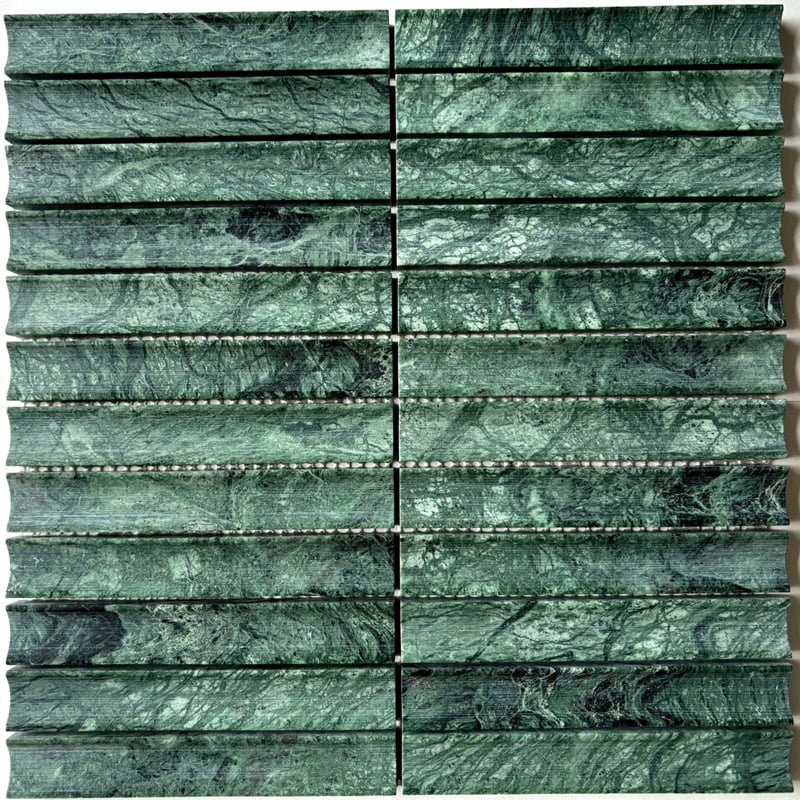
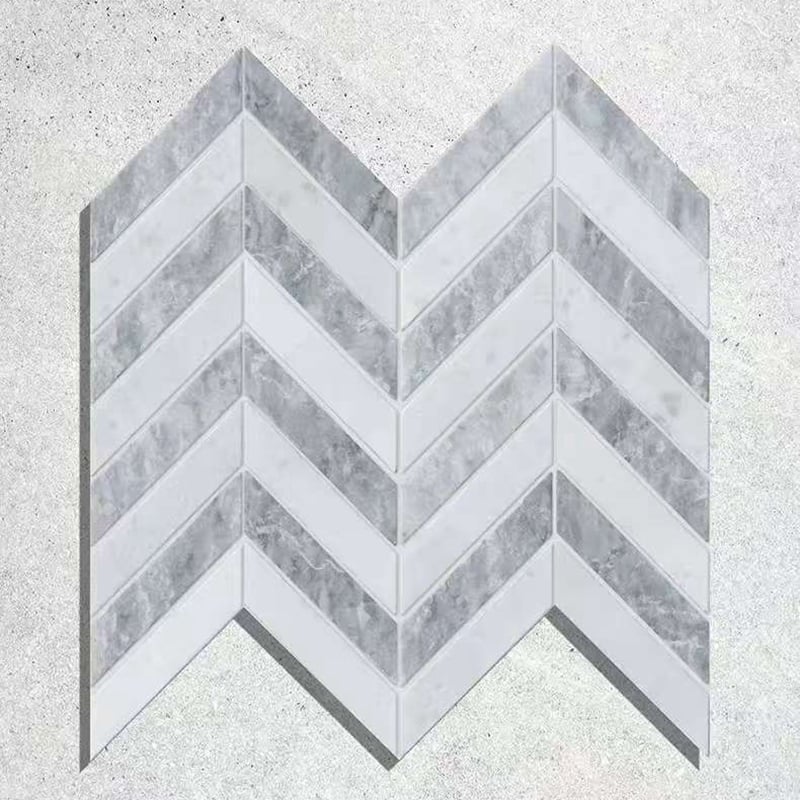
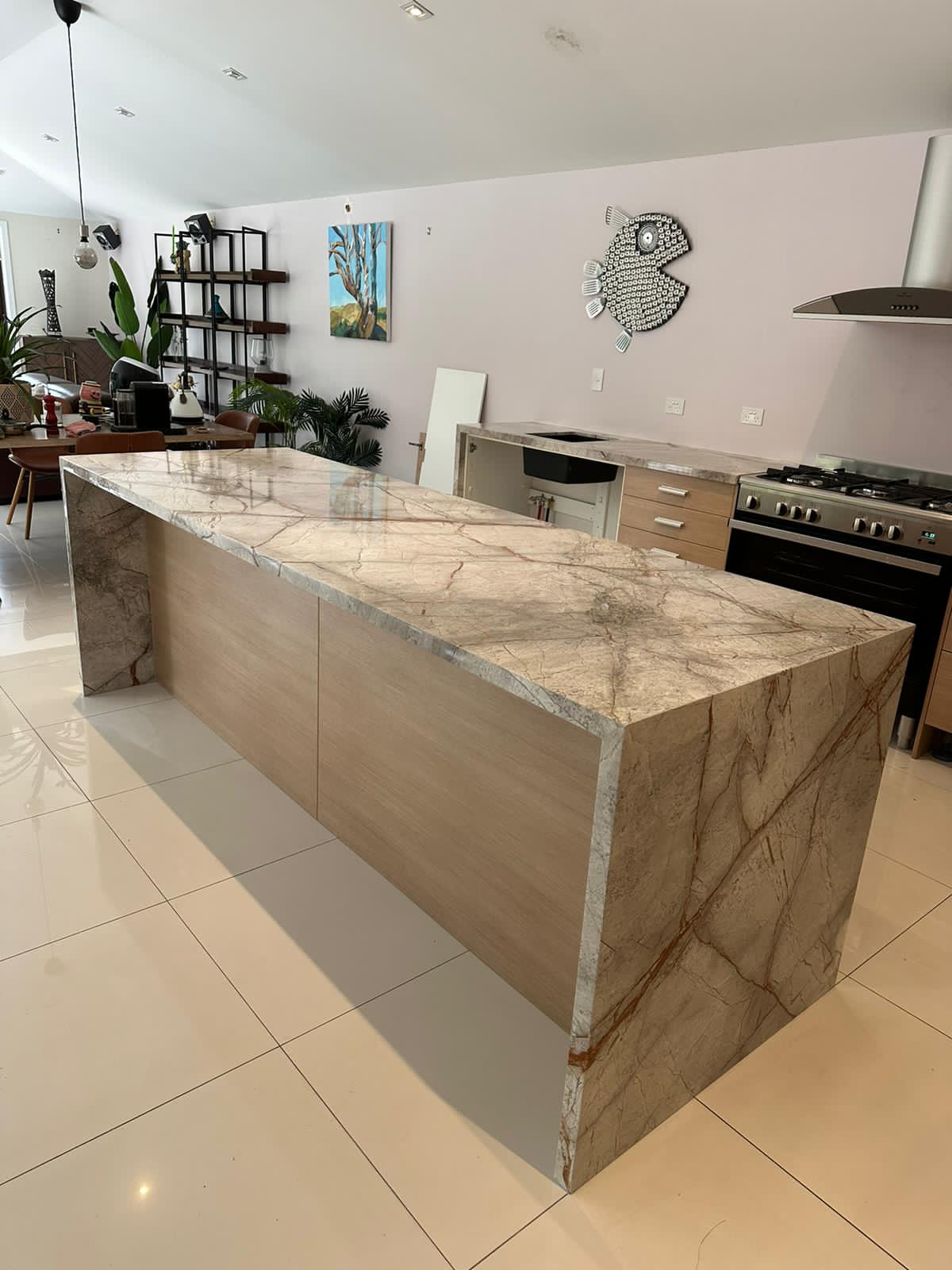
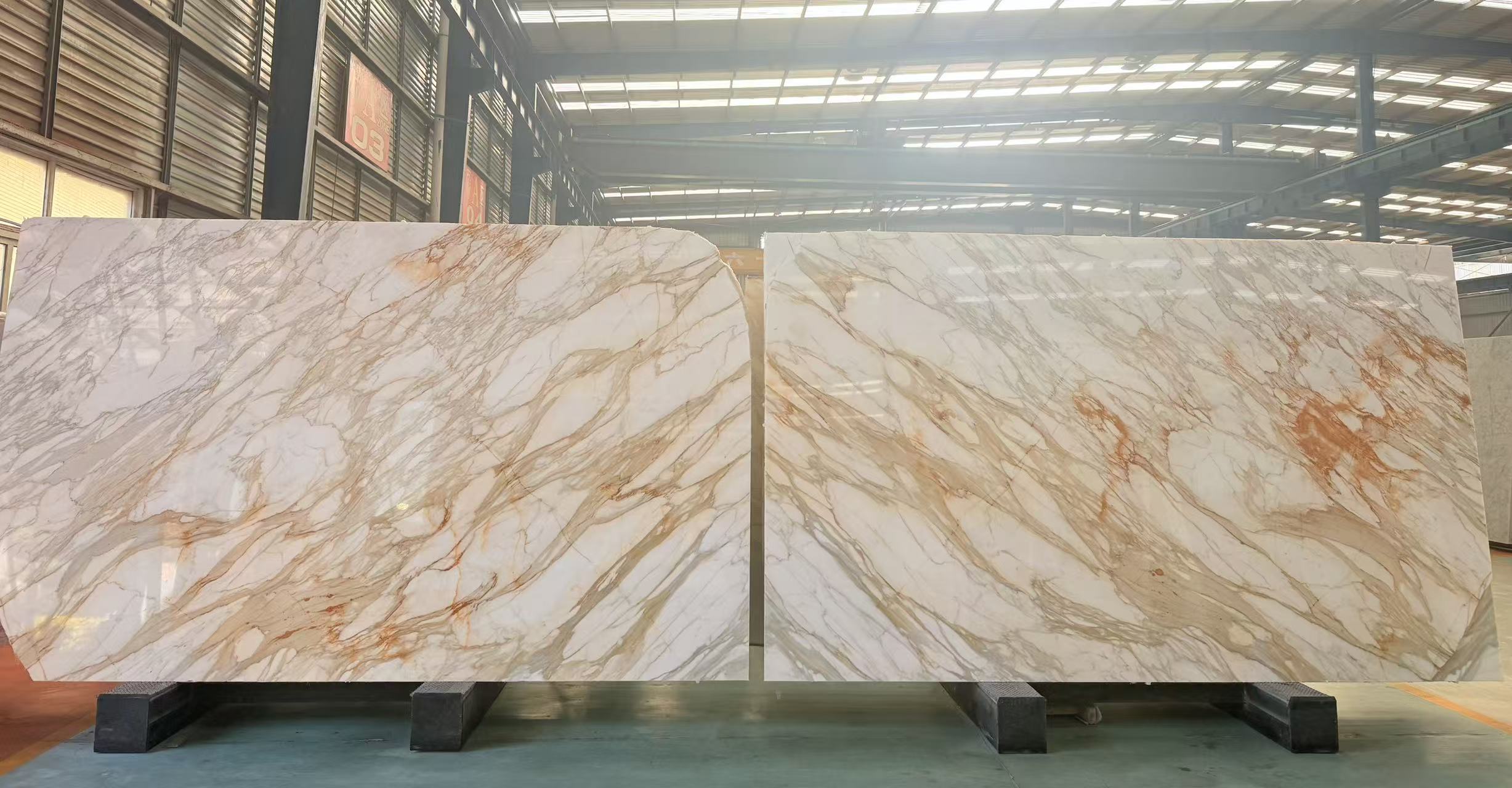
Quelle est la particularité visuelle du quartzite ? Observez sa géologie, que nulle usine ne peut reproduire. Chaque dalle met des millions d'années à se former, lorsque chaleur, pression et minéraux se combinent selon des processus dictés par la nature. Le résultat ? Des veines évoquant des rivières minérales en mouvement, des profondeurs rappelant les couches rocheuses souterraines, des teintes allant de gris doux, semblables à des nuages, à des tons terrestres riches. Certaines dalles présentent des nuances beiges subtiles mêlées à des stries de quartz lumineuses, tandis que d'autres affichent des motifs ondulatoires saisissants, dans des tons gris-vert, presque comme si quelqu’un les avait peints. Le quartz reconstitué présente partout ces mêmes motifs répétitifs, tandis que le quartzite célèbre ce qui rend chaque pièce unique. Cette singularité transforme les plans de travail de cuisine, les murs de salle de bains et les crédences en éléments remarquables que personne d’autre ne possédera. Le véritable luxe réside dans l’unicité, non dans le fait de ressembler exactement aux plans de travail de tout le monde.
Les dalles de quartzite n'absorbent pratiquement pas d'eau — environ 0,2 à 0,5 % en poids selon les essais normalisés ASTM. Cela en fait un matériau quasi non poreux, ce qui signifie qu’il résiste aux taches bien mieux que la plupart des autres pierres. Renversements de café, accidents de vin rouge, éclaboussures d’huile ? Ces substances n’adhèrent pas aussi fortement au quartzite qu’elles le feraient sur le marbre, qui peut absorber entre 0,5 et 2 % de son poids en eau, ou même sur certains types de granit. Toutefois, les propriétaires devraient tout de même envisager d’appliquer un scellant sur leurs plans de travail en quartzite pour une protection supplémentaire. La plupart des gens constatent qu’un réenrobage tous les un à trois ans suffit dans une cuisine domestique classique, ce qui constitue un avantage net par rapport à l’exigence annuelle du granit. La structure cristalline serrée de la pierre agit comme un bouclier naturel contre l’humidité, mais il y a toutefois un point à surveiller : les substances acides, telles que le jus de citron, le vinaigre ou la sauce tomate, nécessitent une attention immédiate. Si elles restent trop longtemps en contact avec la surface, notamment sur les finitions brillantes et polies, elles peuvent, à la longue, attaquer celle-ci. Pour toute personne soucieuse d’obtenir des plans de travail de qualité, esthétiquement remarquables pendant des décennies et ne nécessitant pas un entretien constant, le quartzite offre un avantage particulier. Il allie l’élégance intemporelle de la pierre naturelle à une durabilité surprenante, parfaitement adaptée à la vie quotidienne en cuisine.
 Actualités chaudes
2025-03-04
2025-03-04
2025-02-27

 EN
EN