 EN
EN

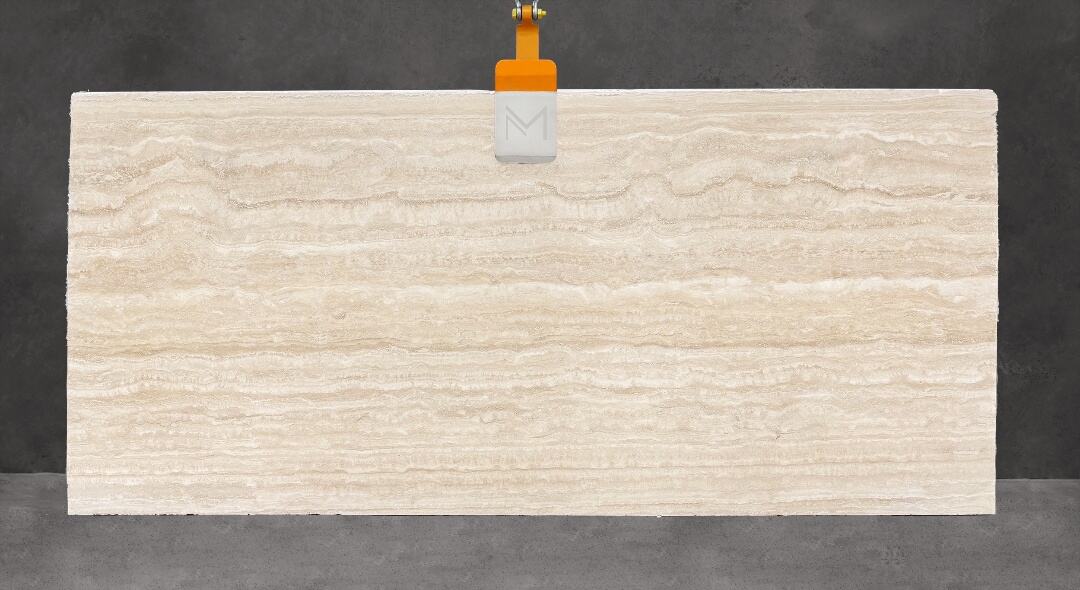
Primary Color Families of Travertine Stone
Light Tones: Beige, Cream, and Ivory Travertine Stone
Travertine gets its color from calcium carbonate deposits, creating those lovely light tones we see in beige, cream, and ivory shades with hints of iron oxide adding variation here and there. The neutral colors really make rooms feel brighter, inside or out, plus they hide minor dust pretty well too. That makes travertine great for places where people actually spend time - think patios bathed in sunlight, around pools, on indoor floors where foot traffic is constant, even as decorative walls in modern spaces. What I love most is how this stone works equally well whether paired with warm earthy tones or cooler grays and blues in interior designs.
Neutral Mid-to-Dark Hues: Walnut, Brown, Grey, and Silver Travertine Stone
Travertine in mid to dark shades brings a sophisticated earthiness with colors ranging from rich walnuts and deep chocolates to charcoal greys and silvers. The darker tones come from extra minerals that get trapped while the stone forms underground over thousands of years. Silver and grey travertines tend to have cooler looks because they contain bits of quartz throughout them. Meanwhile, those brown and walnut colored stones frequently show off warm red veins running through them. What makes these colors so appealing is how consistent they stay across different slabs, creating beautiful depth when installed together. Homeowners love using them for accent walls where the texture really stands out, but they also work great on floors that see lots of foot traffic since the stone holds up well without showing wear too quickly.
Warm and Rare Variations: Gold, Noce, and Blended Travertine Stone
The gold and noce (which is medium brown) varieties of travertine come from special geological situations where iron sulfide deposits create those warm, sun-kissed tones we all love. Then there are blended stones like scabas that really stand out because they have those beautiful stripes in beige, rust colors, and gold throughout. What makes them extra special? They contain crystals that actually refract light and have natural pits on their surface that give them amazing texture when you run your hand over them. These particular types don't show up often since quarries just can't produce much of them. Plus, each piece has such a distinct personality that collectors and designers are willing to pay top dollar for them.
Why Travertine Stone Color Varies: Geology, Grade, and Formation
How Mineral Impurities and Calcium Carbonate Deposition Influence Hue
The colors we see in travertine come from how it forms geologically. When calcium carbonate settles out of water full of minerals, tiny bits of other stuff get trapped inside too. Iron oxides are responsible for those warm golden and brown tones, while manganese or organic materials give us the cooler grey and silver shades. What makes travertine really interesting though is its porous nature. These pores form when carbon dioxide bubbles escape during the stone's creation process. This natural porosity actually creates more variation in color across different pieces. That's why two slabs taken right next to each other in a quarry might look completely different under certain lighting conditions.
Color Consistency Across Grades: Premium vs. Standard Travertine Stone
The way colors look together really matters when it comes to grading travertine. For premium grade material, manufacturers go through a pretty rigorous process to get consistent hues and lower porosity levels so that big installations don't look patchy or uneven. Standard grade stones are all about showing off their natural character though. These stones often have those cool bands running through them, little mineral specks here and there, plus changes in tone that remind everyone they're working with something from nature itself. Even though they come from the same place geologically speaking, what makes premium stones worth around 30 percent more money (give or take) is all that extra work involved in filling cracks, careful sorting, and maintaining quality standards throughout production. Some folks just can't tell the difference between grades at first glance but others notice right away, especially when looking at huge wall surfaces or floors where consistency matters most.
Practical Considerations When Selecting Travertine Stone by Color
Outdoor Performance: Heat Absorption in Light vs. Dark Travertine Stone
Travertine stones in light colors like beige or ivory can reflect around 75% of sunlight hitting them. Studies on landscape materials show these lighter options stay about 25 to 30 degrees Fahrenheit cooler than darker walnut or brown versions when the sun is strongest. That makes all the difference for people walking barefoot on pool decks or patios during hot weather. On the flip side, darker colored stones soak up more heat which works well in colder areas for passive solar warming but becomes problematic in places where temperatures regularly climb. For best results, match stone color choices to what kind of weather dominates most days in the area where they'll be installed.
Design Versatility and Long-Term Maintenance by Color Family
Light colored travertine definitely gives designers lots of options for creating beautiful spaces, though it does show dirt and stains pretty easily. That means regular maintenance becomes necessary, probably every three months or so with proper sealing and only pH neutral cleaners. The neutral gray and silver shades strike a nice balance between looking contemporary while hiding minor scratches and scuffs better than lighter colors. Darker travertine hides daily messes much better, but watch out if there's hard water around because those minerals tend to leave visible marks on darker surfaces. Speaking from experience, higher quality travertine no matter what color has about half the pores compared to regular stuff, which makes all the difference when it comes to keeping things clean over time. When picking stone for busy areas like front doors or hallways, focus more on how dense the material is rather than just how it looks. Dense travertine stands up much better against acidic spills and general wear and tear that would otherwise ruin less substantial stones.
FAQ
What is the primary factor influencing travertine stone color?
Travertine stone color is primarily influenced by the mineral impurities present during its formation. Calcium carbonate is the base, with iron oxides, manganese, and organic materials affecting hue variations.
How does grade affect the color consistency of travertine stone?
Premium grade travertine offers more consistent hues due to rigorous manufacturing processes, while standard grade stones showcase natural character with more pronounced variations in color.
Why should I consider travertine stone color according to weather conditions?
Lighter colors reflect more sunlight, keeping surfaces cooler in hot weather, while darker stones absorb heat, aiding passive solar warming in colder climates.