 EN
EN

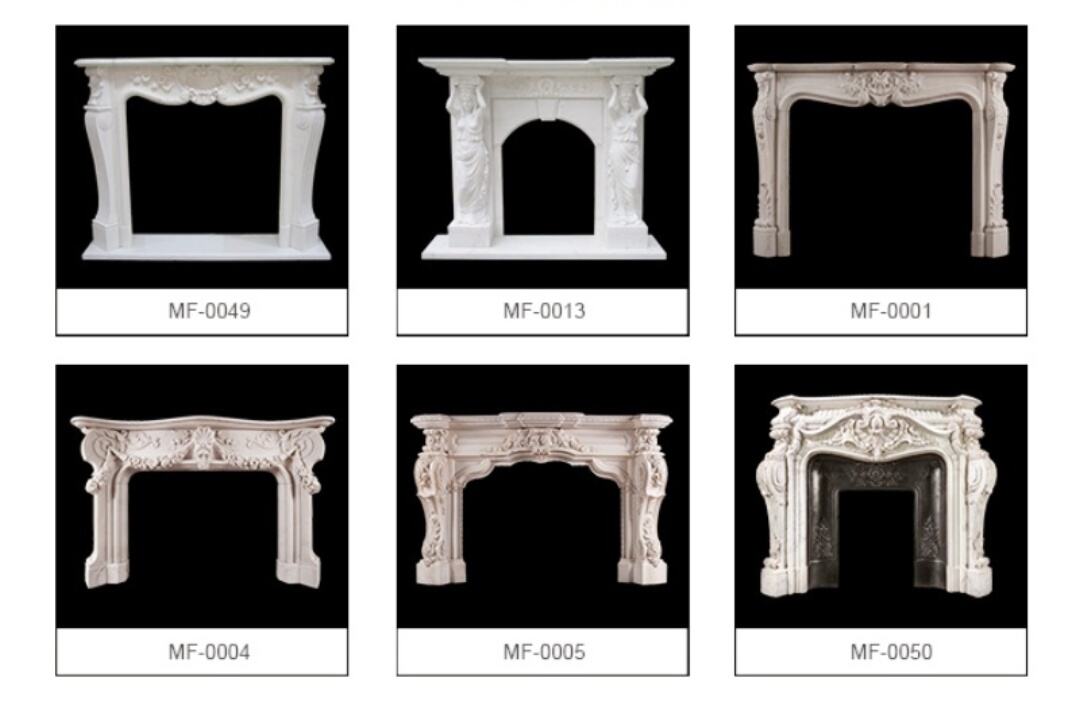
Traditional Marble Fireplace Styles: Elegance Rooted in History
Georgian, Victorian, and Neoclassical Interpretations Using Carrara and Statuario
Marble fireplaces from the Georgian period really capture that 18th century restraint thing going on back then. Think symmetrical shapes, those fluted columns we still see today, dentil moldings along the edges, and just enough decoration to make it look nice but not too flashy. Most of these were made with that creamy Carrara marble that has those soft gray veins running through it. Then came the Victorians who went completely overboard with their designs. They loved Statuario marble because of how striking it looked against walls. The white background contrasted so well with those dark charcoal veins, making it perfect for those big relief carvings of gods and goddesses plus all sorts of fancy leaves and flowers. When Neoclassicism made a comeback later on, they basically mixed both styles together. Carrara was used for the main parts where subtlety mattered most, while Statuario got saved for the decorative bits around the fireplace. These included Greek key patterns and those tall Ionic pillars that frame so many classic mantels. No matter what era we're talking about though, nobody questioned marble's place as the go to material for fireplaces. It can handle heat up to nearly 500 degrees Celsius without cracking or breaking down, which is why generations kept coming back to it time after time.
Signature Details: Carved Mantels, Rose Festoons, and Mirrored Overmantels
Traditional fireplaces revealed craftsmanship through functional artistry:
- Carved mantels, often featuring acanthus leaves or fruit garlands in deep undercut relief, served both aesthetic and structural roles
- Rose festoons, draped across corners or hearth openings, symbolized luxury while discreetly concealing joints
- Mirrored overmantels, essential in pre-electric interiors, amplified candlelight and created spatial depth
When working with marble, artisans would often cut matching slabs from the same block and place them next to each other so their vein patterns reflected across the surface. This wasn't just about looks either. The skill required to achieve such symmetry showed real expertise in handling materials and understanding proportions. Heritage experts these days tend to push for traditional hand carving methods when restoring old buildings. About three quarters of those specialists argue that only manual techniques can capture the true scale and intricate details that make historical architecture special. They believe something gets lost in translation when machines take over, as there's a certain wisdom built into the physical act of creating these designs by hand.
Modern and Minimalist Marble Fireplace Styles
Clean Lines, Floor-to-Ceiling Slabs, and Integrated Lighting (2025 Trends)
Today's minimalist marble fireplaces really let the stone speak for itself, getting rid of all those extra decorations so we can see the natural grain patterns, subtle tones, and massive presence of the material. When installed from floor to ceiling, especially with popular varieties like Carrara or Calacatta marble, these installations make small rooms look bigger and serve as strong visual anchors in modern open spaces. Looking ahead to 2025, built-in LED lighting has become a must-have feature. Thin light strips placed inside the fireplace recess or hidden behind translucent onyx panels create this soft, directed glow that brings out the crystal formations and vein patterns in the marble. Most architects prefer honed finishes these days (around 78% according to recent surveys) because they offer that smooth yet textured matte surface which cuts down on harsh reflections while still showing off the stone's natural warmth and character. This works particularly well in spaces designed to feel calm and free of clutter.
Art Deco and Eclectic Marble Fireplace Styles
Geometric Precision, Sunburst Motifs, and Book-Matched Calacatta Veining
Art Deco fireplaces really capture that bold spirit of the 1920s with their sharp edges, stepped designs, and symmetrical layouts. The sunburst patterns around the fireplace opening create striking contrasts when paired with stones like Nero Marquina's deep black surface next to Bianco Carrara's pure white backdrop. When working with Calacatta marble, book-matching becomes especially interesting. Two slabs taken from the same stone block and placed mirror image to each other turn those natural veins into something almost artistic, like looking at ink blots but with purpose. Designers often mix these classic elements in creative ways these days too. Think brass accents, bronze trimming shaped into geometric forms, or combining sunburst carvings with sleek, contemporary surrounds. These combinations somehow manage to connect the old world charm with today's design preferences. Most people still go for honed finishes rather than polished ones because they let all those fine details stand out better without getting lost in reflections.
Material Intelligence: Matching Marble Types and Finishes to Style Goals
Honed vs. Polished Finishes Impact on Light, Texture, and Period Authenticity
Honed marble has that lovely matte finish which actually soaks up light rather than bouncing it around, really bringing out the natural grain patterns and textures. This makes it a great choice when working on traditional designs or those eclectic spaces where understated elegance matters more than flashiness. The lack of reflection helps cut down on annoying glare near bathroom mirrors too, making those intricate carvings much easier to see up close. On the flip side, polished marble creates this brilliant reflective surface that can totally transform a contemporary space with its dramatic lighting effects. But there's a catch - these shiny surfaces need regular sealing treatments to keep them from getting etched by acidic substances or stained by spills. Most interior designers reach for honed marble when they want something that feels authentic to older architectural styles while still standing up to daily wear and tear, particularly in areas like entryways or kitchens where foot traffic is heavy.
Nero Marquina, Viola Monet, and Norwegian Rose Pink Color, Veining, and Stylistic Harmony
The stark black base of Nero Marquina with those sharp white veins creates some serious contrast, making it great for Art Deco spaces or any room where we want to make a strong visual statement. Viola Monet brings something different to the table with its purple undertones and subtle gold streaks. This one works well in custom designs where layers matter, adding depth without overwhelming the space. Norwegian Rose Pink has this soft pink veining against an ivory background that fits right into minimalist Scandinavian settings or anywhere nature-inspired elements are wanted. The way veins run through marble really affects how everything looks together. Straight lines in the stone help maintain modern symmetry, while those random, cloud-like patterns work better in spaces going for a more wild, organic feel. Recent studies show around 78 percent of designers actually care about keeping vein patterns consistent throughout their projects. They're not just filling walls with pretty stones anymore; they want the marble to talk to the architecture instead of standing apart from it.
FAQ Section
What is the historical significance of marble fireplaces?
Marble fireplaces have been a symbol of elegance and refined craftsmanship across different architectural periods, from Georgian restraint to Victorian exuberance. Marble's heat resistance also makes it ideal for fireplaces.
What are the main types of marble used in fireplace design?
Carrara, Statuario, Calacatta, Nero Marquina, Viola Monet, and Norwegian Rose Pink are popular marble types used in different design styles to achieve various aesthetic effects.
Why is honed marble preferred over polished marble?
Honed marble has a matte finish that reduces glare, allowing for better visibility of intricate carvings. This makes it preferable for traditional designs, while polished marble is used in contemporary settings for its dramatic lighting effects.