 EN
EN

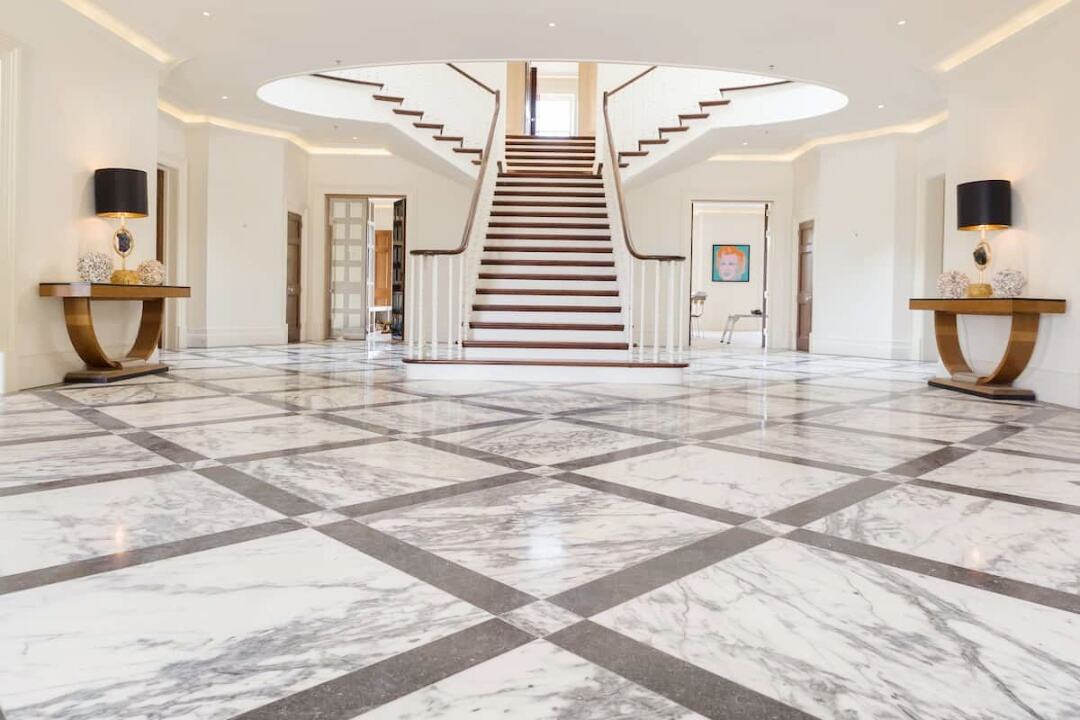
Safety First: PEI Rating and Slip Resistance for Commercial Floor and Tile
Why PEI 4–5 Is Non-Negotiable for Heavy Foot Traffic Durability
Tile floors in busy places such as airports and big shopping centers need to hold up against all that walking traffic day after day without showing signs of wear. There's something called the Porcelain Enamel Institute scale that actually tests how tough these tiles are. Tiles rated at PEI 4 through 5 tend to be really strong stuff. The folks at Tile Council of North America did some testing and found that their top rated PEI 5 tiles can survive around 12,000 cycles of rubbing during lab tests, which basically means they'll last for many years even when people are constantly stepping on them. On the flip side, tiles with lower ratings start showing scratches and scuff marks pretty quickly, sometimes within just a few months. And this leads to bigger expenses down the road because businesses end up replacing worn out tiles much sooner than expected, costing them roughly 60% more money overall.
COF Testing, ADA Compliance, and Real-World Slip Mitigation in Entryways and Corridors
Commercial floors need good slip resistance just as much as residential ones do for safety reasons. The ADA sets a baseline requirement for public areas at a Dynamic Coefficient of Friction (DCOF) of 0.42. Floors that hit around 0.60 or better really cut down on slips and falls, especially in those high traffic entry points where water tends to collect. Most flooring injuries actually happen right there in these spots. Textured porcelain options rated R10 to R11 give people solid grip underfoot without making cleaning harder work. And don't forget about drainage slopes either since they stop puddles from forming along hallways where folks might trip.
Material Performance: Comparing Porcelain, Vitrified, Granite, and Quarry Tile for Floor and Tile Use
Porcelain and Vitrified Tile: Zero Water Absorption, >1200 PSI Strength, and Low-Maintenance Advantages
For commercial floors that see constant traffic, porcelain and vitrified tiles stand out as top performers. What makes them so reliable? The secret lies in their non-porous nature which keeps water absorption below half a percent. That's incredibly low and helps prevent all sorts of problems from dampness building up, especially important in places where hygiene matters most like dining establishments and medical facilities. When it comes to strength, these tiles pack quite a punch with breaking strengths above 1200 PSI. Put another way, they handle about 40% more pressure than regular ceramic options. Such robust construction means fewer cracks when subjected to heavy machinery or thousands of daily footsteps. Maintenance is also straightforward since spills don't stick around and there's no need for special sealants. Plus, because the color runs through the entire tile body, those inevitable little scratches blend right in instead of standing out after years of use.
| Feature | Benefit | Commercial Impact |
|---|---|---|
| Water Absorption <0.5% | Prevents mold/spoilage | Reduces sanitation costs in food service |
| Breaking Strength >1200 PSI | Withstands pallet jacks/carts | Lowers replacement frequency |
| Full-body composition | Hides surface wear | Maintains aesthetics longer |
Granite and Quarry Tile: Thermal Stability, Freeze-Thaw Resilience, and Outdoor-Adjacent Suitability
Granite and quarry tile really stand out when we need something that can handle big temperature changes and still resist freezing damage. Take natural granite for instance it stays put even when temperatures swing around 200 degrees Fahrenheit, which is why many commercial kitchens install it right next to those hot ovens and deep fryers where things get super heated. Quarry tile works differently because it doesn't conduct heat so well, meaning less warmth gets transferred down into the floor beneath. Both these materials have been tested extensively and shown they can survive over 300 freeze thaw cycles without cracking or breaking apart something absolutely essential for entryways in areas with harsh winters. While porcelain tiles tend to take over most indoor flooring jobs, granite and quarry tile make much better choices for places where extreme conditions are part of daily life.
- Transitional zones receiving outdoor moisture
- Refrigerated warehouse thresholds
- Pool deck surrounds
Their textured surfaces provide inherent slip resistance, though quarry tile requires more frequent sealing than vitrified options.
Natural Stone Realities: Granite, Slate, and Marble Under Commercial Floor and Tile Loads
Granite’s Mohs 6–7 Hardness vs. Sealing Demands and Acid Etching Risks in Public Spaces
Granite is really tough stuff, sitting around 6 to 7 on the Mohs scale which means it can handle pretty serious pressure points over 1,000 PSI even in busy places like shopping malls or office buildings. The rock actually holds up against wear and tear much better than many other natural stones when people are constantly walking across it. But there's a catch granite needs regular sealing about once a year at minimum to stop oils and liquids from soaking in, especially important for areas where coffee gets spilled all day long in cafeterias or near entrances. Without proper protection, those everyday cleaning products or lemon juice from dropped citrus fruits will etch right into the surface, leaving behind cloudy spots that never go away. To keep granite looking good, maintenance staff should stick to neutral pH cleaners and grab spills before they have time to sit on the stone.
Slate and Marble: Aesthetic Appeal Versus Abrasion Loss and Maintenance Overhead in High-Traffic Zones
Slate has that nice layered look and marble brings its signature veining to commercial spaces, but neither holds up well under constant foot traffic. The rough surface of slate does offer some grip at first, though it wears down much quicker than vitrified tiles in busy areas like hallways. We're talking about around 25% more wear over time. Marble is another story entirely because of its calcite content. Even with proper sealing, acid spills from coffee or wine will leave marks, and scratches happen all too easily. Maintenance bills for these natural stones typically end up costing anywhere from 30 to 40 percent more than porcelain options when we factor in the need for frequent polishing and special cleaning products. For anyone choosing flooring materials in high traffic commercial environments, it pays to think beyond just how something looks initially. Long term expenses often tell a very different story about value.
Installation Integrity: Subfloor Prep and Professional Laying for Long-Lasting Floor and Tile Systems
Getting the subfloor right isn't something that can be skipped if we want long lasting commercial floors. Before laying anything down, moisture tests need to happen first. Using those RH probes to check for readings under 4% according to ASTM F2170 standards helps avoid problems with adhesives later on. Any bumps or dips bigger than 1/8 inch over 10 feet really need fixing either by grinding them flat or applying self leveling compound. These fixes cut down on cracked tiles by about two thirds. Hiring professionals makes all the difference too. Certified installers stick to proper expansion gaps and check substrates properly around 90% better than what most people trying it themselves manage. Their experience prevents issues like hollow areas underfoot or uneven edges where tiles meet, which means the whole flooring system lasts anywhere from 8 to 12 extra years before needing replacement, plus keeps warranties intact when problems do arise.
| Preparation Step | Purpose | Consequence of Neglect |
|---|---|---|
| Moisture testing | Prevents adhesive degradation | Tile delamination within 1–2 years |
| Substrate leveling | Eliminates stress points | Crack propagation in 74% of cases |
| Expansion gap maintenance | Accommodates thermal movement | Buckling damage in temperature-controlled spaces |
This integrated approach–combining precision substrate prep with certified installation–ensures your flooring withstands daily commercial loads while minimizing costly reactive maintenance.
FAQs
What is the PEI rating for tiles?
The PEI rating, set by the Porcelain Enamel Institute, measures the durability of tile surfaces with categories ranging from 1 to 5. PEI 4-5 tiles are best suited for high foot traffic areas in commercial spaces.
What does COF testing entail?
COF testing refers to assessing the slipperiness of flooring surfaces, typically using the Dynamic Coefficient of Friction. The ADA recommends a DCOF of 0.42 or better for public area flooring.
Why is substrate preparation crucial for tile installation?
Substrate preparation is essential to avoid moisture problems, eliminate stress points, and ensure tile stability. Proper preparation can prevent issues like tile delamination and cracking due to uneven surfaces.
Table of Contents
- Safety First: PEI Rating and Slip Resistance for Commercial Floor and Tile
- Material Performance: Comparing Porcelain, Vitrified, Granite, and Quarry Tile for Floor and Tile Use
- Natural Stone Realities: Granite, Slate, and Marble Under Commercial Floor and Tile Loads
- Installation Integrity: Subfloor Prep and Professional Laying for Long-Lasting Floor and Tile Systems
- FAQs