 EN
EN

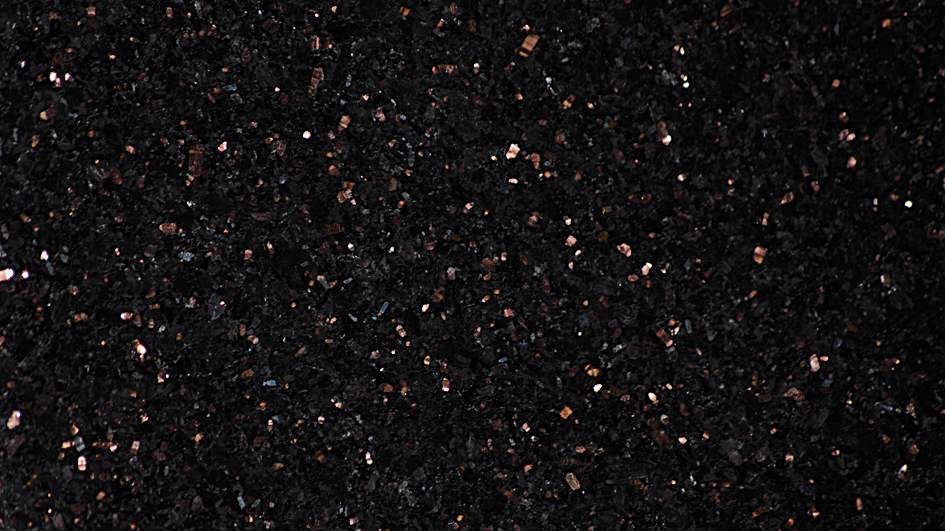
Durability of Black Granite in Outdoor Environments
Freeze-thaw resistance and structural integrity of black granite pavers
Black granite holds up really well in areas that go through freezing and thawing cycles because it absorbs almost no water at all, usually less than 0.1% of its weight. This means there's little chance of water getting inside and turning to ice, which can cause damage when temperatures fluctuate. The stone's natural crystal structure works together with its impressive strength (over 200 MPa) to maintain stability even when subjected to extreme weather conditions or heavy traffic over time. Compared to sedimentary rocks, granite just doesn't crack or flake off surfaces as easily throughout different seasons. That's why many landscape designers specify black granite for outdoor projects in colder regions where other materials tend to break down much faster.
Weathering performance: UV stability, staining resistance, and color retention
Black granite holds up really well against UV damage, keeping its rich dark color for years even when sitting in full sunlight day after day. It actually does better at this than most light colored natural stones and plenty of man made materials too. The way the minerals pack together in black granite makes it pretty resistant to stains from things like food spills, pollution in the air, and other everyday dirt and grime. Sealing helps protect it even more, but since the stone itself doesn't soak up much moisture to begin with, it doesn't need nearly as much upkeep as those softer stones that drink in everything they touch. After sitting outside for a while, some natural aging might happen on the surface, but interestingly enough this usually adds character instead of making it look worse. This means buildings made with black granite tend to keep looking good through all sorts of weather without needing constant touching up.
Safety and Traction: Slip Resistance of Black Granite Paving
Wet-Condition Slip Resistance and ASTM-Tested Coefficients of Friction
When it comes to staying safe on wet days, black granite provides good grip if it's finished correctly, something we know from standard tests like ASTM C1028. Safety experts generally look for what they call a Dynamic Coefficient of Friction (or DCOF) above 0.42 for walking surfaces. Black granite that has been properly textured usually hits numbers between 0.45 and 0.75, which puts it solidly into the high traction category where anything over 0.6 counts as really good. Thermal finishing creates tiny cracks across the surface that make it rougher. These little fractures break up how water sits on top, making slips much less likely. Studies show this kind of treatment can cut down slip risks by around 60% compared to smooth polished stone surfaces, based on research published in pedestrian safety journals.
Optimal Surface Finishes for Outdoor Black Granite (Thermal, Bush-Hammered, Flamed)
Three mechanically textured finishes are widely specified for exterior black granite to maximize safety and performance:
- Thermal: High-heat treatment produces a uniform, pitted texture (DCOF: 0.55–0.75), delivering the highest wet-weather traction—ideal for pool decks and high-rainfall regions.
- Bush-hammered: Multi-point impact creates a non-directional, dimpled surface (DCOF: 0.50–0.70), offering balanced grip with minimal water retention.
-
Flamed: Rapid torch heating induces fine fissuring (DCOF: 0.45–0.65), providing dependable slip resistance while facilitating easier snow and ice removal in freezing climates.
All three meet or exceed ADA-recommended DCOF thresholds and maintain consistent performance year-round.
Long-Term Maintenance and Lifecycle Value of Black Granite Paving
Compared to other natural stones and concrete options, black granite really doesn't need much maintenance at all. The stone absorbs very little water - usually between 0.2% and 0.5% - which means it resists stains going deep into the surface. Taking care of it day to day isn't complicated either. Just sweep regularly and give it a good wash now and then with something that has a neutral pH level. Applying sealant roughly every couple of years makes the stone even better at repelling water and resisting stains. Some thicker pieces might not need sealing as often though. And remember to wipe up any spilled oils, acids or food stuffs quickly before they can cause damage or leave marks behind.
Routine cleaning, sealing frequency, and stain prevention for black granite
Avoid acidic cleaners like vinegar or those citrus based ones since these tend to eat away at sealers and leave the stone looking dull. When dealing with organic stains, mix up some baking soda with water and make a poultice that works pretty well. Oil spots call for something different though - get a cleaner specifically made safe for stone surfaces. Thermal finishes actually hide small scratches much better compared to polished or honed stones, so the appearance stays consistent longer term. Regular sealing keeps things waterproof basically, which means fewer problems from dirt brought in by rainwater or whatever runs off nearby areas.
Lifecycle cost analysis: durability vs. maintenance vs. aesthetic longevity
Black granite can last well over 50 years with just regular cleaning and maintenance, beating out concrete which typically lasts around 20 to 30 years, limestone at 10 to 20 years, and sandstone somewhere between 15 and 25 years when placed in similar environments. Granite stands up remarkably well against weather changes, color loss, and physical wear, meaning homeowners rarely face replacement expenses or have to worry about repainting or resurfacing their installations. While the upfront cost for granite is generally 20 to 30 percent more than what concrete pavers would set someone back, this material offers significant savings over time thanks to minimal upkeep requirements, timeless appearance, and incredible toughness. For upscale homes, luxury hotels, and public spaces where both beauty and reliability matter most, black granite remains a top choice despite the higher initial price tag.
| Material | Durability | Maintenance Level | Stain Resistance |
|---|---|---|---|
| Black Granite | Excellent | Low | High |
| Concrete | Moderate | Medium | Medium |
| Limestone | Low | High | Low |
| Sandstone | Medium | Medium | Medium |
Frequently Asked Questions about Black Granite
Is black granite suitable for use in extremely cold climates?
Yes, black granite is highly suitable for use in extremely cold climates due to its low water absorption rate, which minimizes freeze-thaw damage.
What surface finishes are ideal for ensuring slip resistance on black granite installations?
Thermal, bush-hammered, and flamed finishes are ideal for ensuring slip resistance on black granite installations.
How often should black granite be sealed?
Black granite should be sealed approximately every two years, although thicker pieces may require less frequent sealing.