 EN
EN

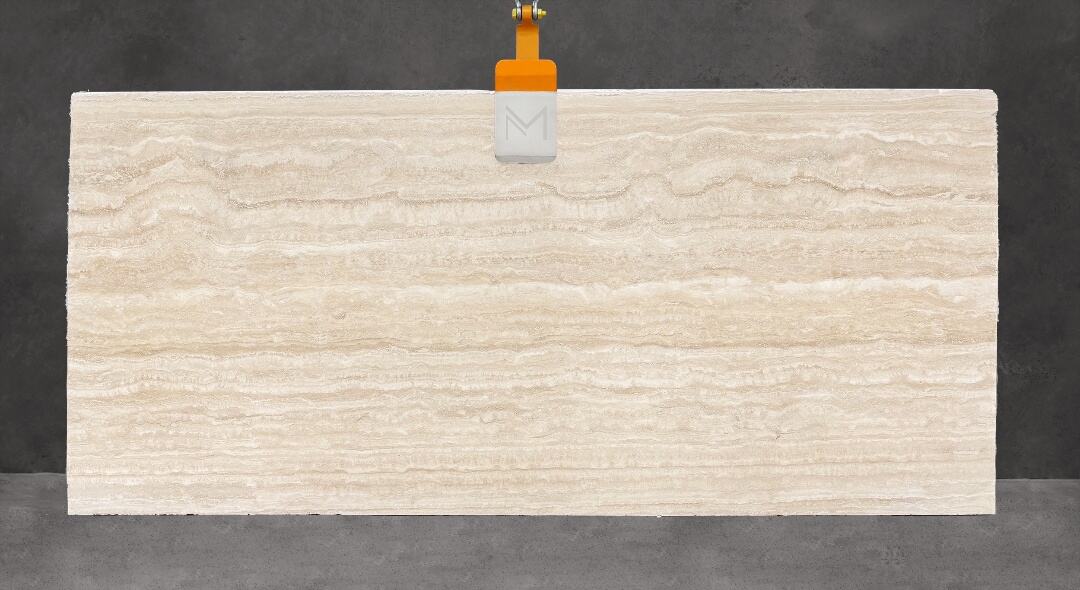
Geological Formation of Travertine and Its Natural Pitted Texture
Travertine comes into being via a pretty fascinating geological process involving mineral precipitation. When groundwater rich in calcium carbonate flows out of hot springs or limestone caves, the pressure drops which causes carbon dioxide to escape from solution. This makes the dissolved calcite crystallize and form those beautiful layered deposits we see in travertine formations. As gas bubbles work their way up through these layers, they leave behind tiny spaces and indentations that give travertine its distinctive pitted appearance. Sometimes bits of organic material like old plant matter get trapped too, adding to the stone's natural porosity. Studies have measured porosity levels ranging between about 5% to 15%, according to research published last year. Far from being defects though, these little holes tell a story about how the stone was formed over time, making each piece of travertine a sort of geological diary.
How Carbonate Deposition Creates Vacuolar Structure and Porosity
Travertine gets its whole structure from calcium carbonate precipitation happening over time. When carbon dioxide escapes from those mineral rich spring waters, calcite starts to form layer after layer in circular patterns. What's really interesting though are all those little gas bubbles that get trapped during this process. They create these tiny holes connected throughout the stone, kind of like a honeycomb pattern. These spaces make a big difference in how the stone behaves. Areas with more pores tend to soak up water easier, which can actually shorten their lifespan if they're constantly exposed to moisture. On the flip side, this same porous nature means the stone doesn't conduct heat as well. That makes unfilled travertine pretty good for buildings where temperature control matters, especially in places with extreme weather conditions where materials need to respond naturally to changing climates.
Role of Spring Water, CO₂ Degassing, and Mineral Precipitation in Texture Development
Three key factors shape travertine’s tactile surface:
- Spring water chemistry determines mineral purity and crystal size
- CO₂ degassing rate controls bubble formation and void distribution
- Precipitation speed influences layer thickness and pit depth
Faster degassing generates more numerous and pronounced voids, while organic inclusions introduce irregular texturing. This natural variability results in differences in surface friction and light reflection across deposits, contributing to travertine’s distinctive visual and tactile character.
Common Surface Finishes and Their Impact on Travertine Texture
Tumbled Travertine: Enhanced Tactility and Slip-Resistant Surface Characteristics
When travertine gets tumbled, it spends time spinning around in those rough barrels, which rounds off sharp corners and creates tiny textures on the surface. What happens next? The natural little holes and bumps become more pronounced, and this actually makes the stone safer to walk on. Studies from Stone Care International back this up, showing slip resistance goes up somewhere between 20% to maybe even 40%. That's why we see this type of finish so much on pool patios and other places where water tends to collect. The look stays pretty much the same as raw travertine with all those warm earth colors intact, plus people can feel the texture when they step on it, which helps prevent slips especially in busy commercial spaces like hotels or restaurants. Sure, these stones need regular sealing because of their porous nature, but there's a silver lining too. Those same pores let water drain away faster than it would on smoother surfaces, giving building owners one less thing to worry about during rainy seasons.
Honed and Brushed Finishes: Matte Texture and Subtle Grain for Interior Applications
When travertine gets honed, it ends up with a smooth but not shiny surface after being ground mechanically. The process brings out those beautiful calcite veins in the stone without any glossy reflection. Most of the original color stays intact too around 70 to maybe even 85 percent depending on how it was treated. Plus, people find it has pretty good grip underfoot. For brushed finishes, they actually rub the surface with wires which pulls some of the top layer away, giving it that rougher look we associate with old fashioned materials. These two types of finishes seem to cut down slips accidents by about thirty percent according to studies done in busy areas inside homes especially kitchens where folks are always moving around. Because these stones don't reflect light so much, they spread illumination across rooms more naturally, which is why many designers prefer them for modern spaces or family homes where simplicity matters more than flashiness.
Polished vs. Matte Travertine: Reflectivity, Density Perception, and Functional Trade-offs
Polishing travertine through progressive abrasion enhances chromatic depth and creates a mirror-like sheen that visually expands spaces. However, this reduces the coefficient of friction (CoF) by 0.3—0.5 points, increasing slip risk in damp conditions. In contrast, matte finishes preserve the stone’s natural texture and offer superior safety and practicality.
| Characteristic | Polished | Matte |
|---|---|---|
| Light Reflectance | 80—95% | 10—20% |
| Slip Resistance | Low (CoF 0.4) | High (CoF 0.7) |
| Stain Visibility | High | Moderate |
| Maintenance Frequency | Bi-weekly polishing | Quarterly sealing |
The National Tile Contractors Association notes that matte surfaces better conceal etching from acidic substances, while polished variants highlight travertine’s geological patterns. Designers often use polished travertine for feature walls and reserve matte finishes for flooring to balance aesthetics with safety.
Understanding Travertine Porosity: Natural Voids and Performance Implications
Travertine’s defining feature is its natural porosity, formed by trapped gas bubbles during mineral deposition. This structure adds visual depth but necessitates careful evaluation of performance in different environments.
Measuring Absorption Rates (5—15%) and Their Effect on Texture and Durability
Travertine can soak up between 5 to 15 percent of its own weight when it comes to moisture, which is way higher compared to harder stones such as granite or quartzite. Because of this trait, durability becomes a real issue especially during those cold weather cycles we get in many regions. When water gets trapped inside and then freezes, it expands and causes cracks over time. The tiny pits on the surface that actually help prevent slips also happen to weaken the stone's overall strength, making it more prone to getting damaged from heavy impacts. Studies have shown that if not sealed properly, travertine tends to wear down about 40 percent quicker in places where people walk all over it constantly.
Filled vs. Unfilled Travertine: How Filling Affects Surface Texture and Performance
Epoxy and Cement Fillers: Tactile Consistency, Finish Integrity, and Thermal Conductivity Changes
When travertine gets filled with either epoxy or cement, those natural gaps get sealed up, creating a smoother surface that's easier to clean and actually stands up better over time. Sure, this process takes away some of the natural texture variations, but it does help keep dirt from getting stuck in those little holes. On the flip side, unfilled travertine keeps all its original character with those pits and bumps, which also makes it safer underfoot since people are less likely to slip on it. What kind of filler we choose really changes how the material handles temperature. Epoxy tends to act like insulation, whereas cement can transfer heat much faster. This matters a lot when deciding whether the stone will work well with radiant floor heating systems or if it needs to handle direct sunlight without warping. High quality fillers cut down on water soaking in by around half compared to regular stone, which is a big deal outdoors where freezing and thawing cycles would otherwise cause cracks and damage over time.
FAQ
What gives travertine its distinctive pitted appearance?
Travertine's pitted appearance arises from gas bubbles trapped during its formation. As carbon dioxide escapes from mineral-rich layers, it creates such indentations.
How does travertine's porosity affect its performance?
While its porosity adds visual depth, it means travertine absorbs water more readily, affecting durability especially in harsh weather conditions.
What are the differences between filled and unfilled travertine?
Filled travertine provides a smoother surface, reducing dirt accumulation, while unfilled travertine retains its natural texture, offering added slip resistance.