 EN
EN

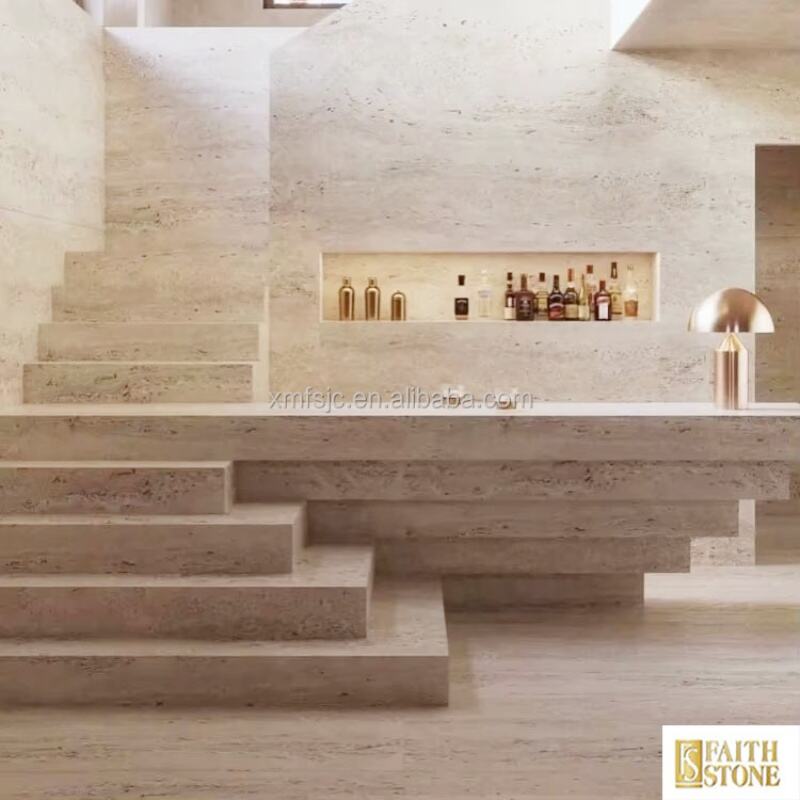
Why Travertine Stone Flooring Is a Preferred Choice for Living Spaces
Travertine stone floors bring both beauty and lasting strength to living areas, which is why so many homeowners choose them. The warm colors and those distinctive vein patterns really make a space feel classic and inviting. When it comes to standing up to everyday wear and tear, travertine isn't just pretty on the surface either. With compression strength ranging around 6,500 to 8,500 pounds per square inch, these floors can handle all sorts of foot traffic without showing damage over time. Something else people love? Travertine stays at comfortable temperatures throughout the seasons, unlike cold porcelain tiles. According to recent data from the Stone Performance Report in 2023, about three quarters of households that switch to natural stone flooring appreciate this temperature consistency factor. Many architects recommend the honed finish versions specifically because they offer good grip even when wet, making them safer choices for homes with kids running around.
Comparative Durability of Travertine vs. Marble and Tile in High-Traffic Areas
Travertine outperforms marble in high-traffic areas due to lower porosity (6–12% water absorption vs. marble’s 15–20%) and greater hardness (Mohs 4.5 vs. marble’s 3–4). A 2022 wear study found that travertine pavers retained structural integrity after more than 10 years in commercial lobbies, whereas ceramic tiles developed micro-cracks within five years.
Uses of Travertine in Wall Coverings for Feature Walls, Fireplaces, and Lobbies
Many interior designers turn to travertine wall cladding when they want to create some visual interest in otherwise simple spaces. The material doesn't fade over time because of its natural resistance to UV light, which makes it a great choice for those sunny accent walls or around fireplaces where other materials might not hold up so well. For businesses looking at commercial spaces, there's another benefit too. A study from 2021 on architectural acoustics found that tumbled travertine can cut down on echoes by about 40% compared with regular drywall. This means hotels, office buildings, and retail stores often see real improvements in how their lobbies and common areas sound after installing these stone panels instead of traditional wall finishes.
Maintenance Tips for Preserving Travertine Indoors and Addressing Porosity Concerns
| Practice | Frequency | Purpose |
|---|---|---|
| pH-neutral cleaning | Daily | Prevent surface etching |
| Professional sealing | Every 2–3 years | Reduce water absorption by 80% |
| Immediate spill removal | As needed | Avoid permanent stains |
Avoid acidic cleaners like vinegar, which can damage the stone’s surface. Instead, use penetrating sealers to manage porosity without altering the stone’s matte or polished appearance.
Travertine Countertops and Bath Applications in Modern Design
Applications of Travertine in Kitchen Worktops and Bathroom Vanities
Kitchen and bathroom spaces get an earthy feel when travertine is used, thanks to its natural texture and how it handles temperature changes without cracking. More homeowners are choosing this stone for their island counters and vanity tops lately because it works so well with modern finishes such as brushed nickel fixtures and clear glass shelves. What makes travertine stand out? Those unique veins running through the stone create beautiful patterns even in simple layouts. Plus, since it absorbs liquids at around 12 to 14 percent, manufacturers can fill those tiny pores with resin during production. This process gives the surface a much smoother finish that's actually better suited for areas where food gets prepared.
Heat, Scratch, and Moisture Resistance: Evaluating Travertine for Wet Areas
Travertine stands up pretty well to short contact with hot pots and pans compared to laminate or quartz surfaces. However, if something stays on it too long past around 150 degrees Fahrenheit, we've seen some color changes happen over time. The stone has a hardness rating between 3 and 4 on the Mohs scale, so everyday stuff won't scratch it easily. That makes travertine great for bathroom countertops where there's not much sharp object action going on. But don't try slicing vegetables directly on it in the kitchen please! A good cutting board is essential. Proper sealing helps keep water away from most of the surface area actually, about 93 percent according to tests. So while it beats marble at keeping dry in bathrooms, travertine needs regular maintenance compared to what porcelain tiles require.
Sealing and Finishing Techniques to Enhance Longevity and Stain Protection
Two primary sealing methods are used:
| Technique | Frequency | Best For |
|---|---|---|
| Impregnating | Every 18–24 months | Bathroom surrounds |
| Topical coating | Annually | Kitchen countertops |
Honed finishes offer superior slip resistance (0.55–0.65 COF), ideal for shower floors, while polished surfaces simplify cleaning on vanity tops. Nano-sealants now extend protection periods by 40% compared to traditional epoxy-based products, improving long-term performance.
Travertine Pavers and Pool Decks for Outdoor Living Spaces
Uses of Travertine in Patios, Walkways, Garden Paths, and Pool Surrounds
Outdoor spaces get a real upgrade when travertine is used for hardscaping. The stone brings both visual appeal and functional advantages. Landscape architects are increasingly turning to travertine these days - last year alone, about seven out of ten professionals chose it for their residential designs. Pool decks especially benefit from this material because of the non-slip surface treatments available and how much cooler it stays compared to regular concrete under bright sun. Some tests show travertine can stay between 20 to 35 degrees Fahrenheit cooler. Garden path designs also become more interesting with the modular paver options offered by travertine suppliers. And those smooth, honed finishes aren't just attractive they actually help prevent accidents near ponds or fountains where wet feet are common.
Thermal Comfort, Slip Resistance, and Drainage Properties of Travertine Outdoors
Travertine has these tiny pores throughout that let water drain away really fast, which helps prevent ice buildup when temperatures drop. When we talk about safety, the textured surfaces actually hit a friction rating around 0.52, which goes above what the ADA requires for slip resistance. And here's something interesting compared to other materials: while wood decks can warp and composites might crack, travertine stays pretty much the same size no matter what. We're talking about stability across some pretty extreme temps too—from as cold as minus four degrees Fahrenheit all the way up to 120 degrees Fahrenheit.
Performance Under Freeze-Thaw Cycles and Long-Term Durability Near Chlorinated Water
When put through accelerated weathering tests, travertine held up really well, maintaining around 98% of its original structure even after going through 300 freeze-thaw cycles. That's pretty impressive compared to sandstone which had problems and actually failed about 82% of the time under similar conditions. The reason travertine does so much better lies in its calcium carbonate makeup. It stands up against saltwater corrosion much better than granite does too. After spending five whole years near a pool, there was barely any damage at all just 0.3mm worth of surface wear noticed on the stone. And for those concerned about chemical exposure, properly sealed travertine surfaces don't seem to mind chlorine levels as high as 5 parts per million without showing any negative effects.
Best Installation Practices for Travertine in Outdoor and Wet Environments
According to the 2024 Landscaping Materials Study, optimal installation includes a 4–6 inch (10–15 cm) compacted gravel base with 1% slope for drainage. Joint gaps should exceed 3/16 inch (5mm) to accommodate thermal expansion. Epoxy-fortified grout increases joint stability by 40% over sand-based systems, especially in areas exposed to heavy rainfall or irrigation.
Travertine in Commercial Facades and Architectural Exteriors
Travertine Applications in Walls and Facades of Commercial and Urban Buildings
Travertine is now pretty much standard fare in commercial architecture circles. A recent 2023 industry poll showed that nearly two thirds of architects are going with travertine when designing those big city buildings. What makes this stone so popular? Well, it has that beautiful natural look combined with serious structural strength around 35 to 40 MPa compression which means it can hold up great on those tall exterior walls. We see lots of shopping malls and corporate offices using the raw, porous version of travertine on their south facing sides. The holes in the stone actually help spread out sunlight instead of letting it bounce off harshly, which cuts down both glare issues and how much heat gets absorbed from the sun throughout the day.
Weather Resistance, UV Stability, and Structural Performance of Exterior Cladding
Travertine resists thermal shock and UV degradation, maintaining color consistency for over 20 years in temperate climates. When treated with penetrating nano-coatings, water absorption drops below 0.5%, minimizing freeze-thaw risks in northern regions. Structural testing confirms travertine cladding systems can withstand wind loads up to 144 km/h without joint failure.
Trend: Rising Use of Travertine in Minimalist and Modern Architectural Projects
These days, designers are combining the natural warmth of travertine with modern metals and glass in buildings all over the place. Since 2020 we've seen about a 22% jump in office towers wrapped in travertine cladding. The technology has improved so much now that this beautiful stone can actually be sliced into really thin panels just 20 millimeters thick. This makes it possible to create smooth transitions between outdoor plaza surfaces and building facades without any visible breaks. There are also new bush hammered finishes available these days that pass safety standards for slip resistance with Pendulum Test Values at or above 36. What's great is they still keep that distinctive earthy look people love about travertine.
The Versatility and Future of Travertine Stone in Design
How the Natural Aesthetic of Travertine Supports Diverse Design Styles
Travertine comes in a range of earthy tones from soft ivory right through to rich walnut shades, with those natural veins running throughout that work great in both country style kitchen spaces and sleek modern bathroom designs. The stone plays well with metal fixtures, wooden elements, and other modern materials too, making it pretty versatile for different decorating approaches. According to recent market reports, around half of all mixed style home makeovers these days are incorporating travertine somewhere, particularly when homeowners want to create interesting texture contrasts within their living spaces.
Scientific Data on Compressive Strength, Porosity, and Material Reliability
Tests show that travertine has around 7,500 psi compressive strength similar to granite. Its average porosity sits at about 13%, which makes it less porous than limestone but more so compared to quartzite. Proper sealing allows travertine to satisfy the ASTM C170 requirements needed for floor installations and exterior walls. Porosity does worry some people, but modern polymer sealants bring down water absorption rates to below 1.5% after treatment. This means the material stays reliable over time even when exposed to moisture conditions.
Balancing Beauty with Maintenance: Industry Insights and User Considerations
Travertine does develop that nice natural patina with age, but most architects still suggest sealing it twice a year especially in damp spots like bathrooms according to recent data. The Natural Stone Institute did some research back in 2024 and found out something interesting: around seven out of ten homeowners care more about how their stone looks than how much work it needs. But when they find out about those tricky acid resistant sealants, about forty percent change their minds. Want to cut down on visible etching marks? Go for honed finishes in kitchen areas where acidic substances might come into contact with the stone surface.
Future Trend: Innovations in Engineered Travertine for Broader Applications
Today's manufacturers mix travertine pieces with special resins to create slabs that have less than 3 percent pores and can withstand impacts four times better than regular natural stone. These new composite materials are becoming popular choices for tall building exteriors and areas where freezing temperatures used to make installation problematic. Some companies are experimenting with coatings that contain tiny particles which resist UV damage, meaning these surfaces stay looking good longer without needing constant touch-ups. The stone still feels real underfoot too, which matters a lot to architects and designers worldwide who want materials that require minimal upkeep but still look beautiful for decades.
FAQ
What makes travertine suitable for flooring?
Travertine is preferred for flooring due to its durability, temperature regulation, and unique patterns that offer a classic look.
How does travertine compare with marble and tile in terms of durability?
Travertine is less porous and harder than marble, making it more durable in high-traffic areas compared to both marble and traditional tiles.
What are the maintenance tips for travertine?
Regular pH-neutral cleaning, professional sealing, and immediate spill cleanup can help maintain its appearance and prevent etching.
Can travertine be used for outdoor spaces?
Yes, travertine is a great choice for outdoor spaces like patios and pool decks due to its slip resistance and thermal comfort properties.
Is travertine suitable for commercial building facades?
Travertine is popular in commercial architecture for its aesthetic appeal and ability to withstand weather extremes without structural failure.
Table of Contents
- Why Travertine Stone Flooring Is a Preferred Choice for Living Spaces
- Comparative Durability of Travertine vs. Marble and Tile in High-Traffic Areas
- Uses of Travertine in Wall Coverings for Feature Walls, Fireplaces, and Lobbies
- Maintenance Tips for Preserving Travertine Indoors and Addressing Porosity Concerns
- Travertine Countertops and Bath Applications in Modern Design
-
Travertine Pavers and Pool Decks for Outdoor Living Spaces
- Uses of Travertine in Patios, Walkways, Garden Paths, and Pool Surrounds
- Thermal Comfort, Slip Resistance, and Drainage Properties of Travertine Outdoors
- Performance Under Freeze-Thaw Cycles and Long-Term Durability Near Chlorinated Water
- Best Installation Practices for Travertine in Outdoor and Wet Environments
- Travertine in Commercial Facades and Architectural Exteriors
- The Versatility and Future of Travertine Stone in Design
- FAQ