 EN
EN

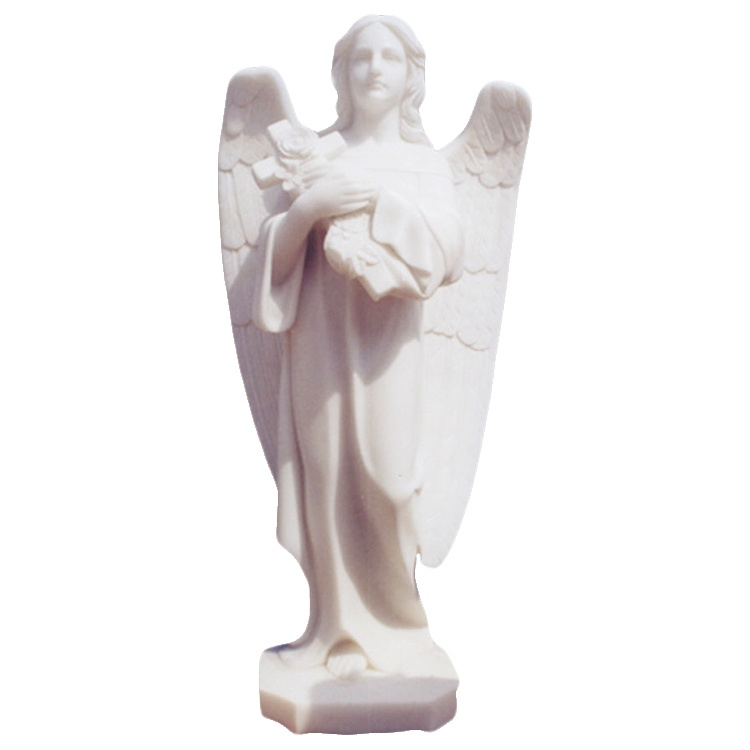
Why Marble Sculpture Is Ideal for Outdoor Garden Integration
Durability, Weather Resistance, and Long-Term Aesthetic Integrity of Marble
Marble’s dense crystalline structure delivers exceptional strength, resisting cracks and chips even in extreme climates. Its low porosity limits water absorption—key to minimizing freeze-thaw damage common in softer stones. When properly sealed, marble endures decades of rain, snow, and UV exposure without surface degradation. Unlike metal, it won’t rust; unlike wood, it won’t rot. Its high thermal mass stabilizes temperature fluctuations, reducing stress from expansion and contraction. Over time, marble develops a soft, luminous patina that enhances rather than diminishes its character—unlike synthetics, which fade or crack. Historic examples—including the enduring sculptures at Versailles—demonstrate marble’s proven longevity outdoors. With routine maintenance, its veining and tonal depth remain vivid, reinforcing visual continuity across seasons.
Color, Veining, and Texture: Aligning Carrara, Statuary, and Cream Marble with Garden Palettes
Carrara marble’s delicate grey veining on a cool white ground lends quiet sophistication to formal gardens. Statuary marble—renowned for its brilliant whiteness and bold, dramatic veins—complements classical or minimalist settings where clarity and presence matter most. Cream marble introduces warm, earthy undertones that resonate with Mediterranean plantings, terracotta hardscapes, and sun-baked stonework. A polished finish amplifies light reflection, creating dynamic focal points; a honed surface absorbs light softly, lending naturalistic subtlety. Matching marble tone to dominant garden elements—greens, silvers, ochres, or greys—ensures cohesion. Because each slab expresses unique mineral variation, every sculpture is inherently singular—adding narrative richness without repetition.
Matching Marble Sculpture to Traditional Garden Styles
Classical & Formal Gardens: Symmetry, Mythological Themes, and Proportional Harmony
In classical and formal gardens, marble sculpture acts as an architectural keystone—anchoring symmetrical axes, terminating long vistas, or centering parterres. Carrara’s luminous, cool-toned surface reinforces geometric precision, while mythological figures like Venus or Apollo introduce layered meaning without disrupting order. Proportion is foundational: pedestal height and statue scale should relate harmoniously to surrounding hedges, pathways, and walls—typically following a 1:3 ratio relative to the nearest hardscape feature to avoid visual competition. Strategically sited, the sculpture becomes a gravitational focal point, guiding the eye along axial lines and deepening the sense of measured calm that defines this tradition.
Mediterranean & Courtyard Gardens: Warm Tones, Rustic Elegance, and Architectural Framing
Mediterranean and courtyard gardens thrive with warm-hued marbles—Cream or lightly veined Statuary—that echo terracotta, sun-bleached stucco, and drought-tolerant foliage. Figurative pieces with softened contours—a weathered torso, a fragmented profile, or a wall-mounted bas-relief—respond gracefully to dappled light filtering through olive or citrus canopies. Architectural framing is essential: niches, archways, and pergola intersections transform sculpture into a deliberate discovery rather than a dominant declaration.
| Placement Strategy | Effect on Courtyard Atmosphere |
|---|---|
| Wall niche or alcove | Creates intimate, framed focal point; integrates with vertical surfaces |
| Central fountain spout | Introduces auditory and kinetic dimension; anchors seating area |
| Under a pergola crossbeam | Adds overhead surprise; interacts with shadow and climbing plants |
Selecting marble with warm mineral resonance—and positioning it as a considered architectural accent—yields layered, timeless charm: curated yet effortlessly serene.
Integrating Marble Sculpture in Modern and Contemplative Garden Styles
Contemporary Gardens: Abstraction, Minimalist Forms, and Material Contrast
Contemporary gardens favor marble sculpture in abstract, reductive forms—emphasizing volume, negative space, and precise geometry over ornament. Neutral tones (soft whites, creams, muted greys) harmonize with raw concrete, corten steel, and structural glass. Positioned as a singular anchor on a paved terrace or amid sculptural grasses and clipped topiaries, the piece commands attention without dominance. Its smooth, cool surface offers tactile contrast to gravel, charred timber, or rough-hewn stone—heightening sensory engagement. Crucially, marble’s quiet permanence balances industrial materials, yielding compositions that feel both grounded and forward-looking. Strategic orientation ensures shifting sunlight casts evolving shadows, reinforcing the garden’s temporal dynamism.
Zen and Naturalistic Gardens: Simplicity, Negative Space, and Grounded Presence
In Zen and naturalistic gardens, marble sculpture serves contemplation—not spectacle. Organic, boulder-like forms or minimally finished slabs are placed deliberately: atop raked gravel, half-submerged in moss, or nestled among native grasses and ferns. Their subdued presence echoes wabi-sabi principles—celebrating imperfection, transience, and quiet authenticity. Veining and tonal nuance mirror local stone and soil, reinforcing ecological harmony. Scale is paramount: too large, and the piece disrupts serenity; too small, and it loses grounding effect. A well-proportioned form becomes a silent node of focus—inviting pause, breath, and presence—without competing with the landscape’s inherent stillness.
Strategic Placement and Scale Principles for Marble Sculpture
Scale and placement determine whether a marble sculpture integrates or intrudes. A piece too small vanishes among foliage; one too large overwhelms spatial rhythm. As a foundational guideline, sculpture height should not exceed one-third the height of its backdrop—be it a hedge, wall, or pergola. For optimal viewing comfort, maintain a distance approximately 1.5 times the statue’s height from primary vantage points (e.g., terrace steps or dining chairs). The table below offers practical benchmarks:
| Statue Height (cm) | Recommended Viewing Distance (m) |
|---|---|
| 200 | 3.0 |
| 150 | 2.25 |
| 100 | 1.5 |
| 60 | 0.9 |
Larger works excel as axial termini or lawn anchors; smaller pieces shine tucked beside water features, within herbaceous borders, or on pedestals near seating. Contrast matters: Carrara’s subtle veining reads clearly against dark green yew hedges or aged limestone. In expansive estates, monumental sculpture grounds vast lawns; in courtyards, intimacy dictates scale. Always consider circulation—place works where they’re visible and safe from incidental contact. Leverage marble’s natural reflectivity to catch morning or late-afternoon light. When grouping multiple pieces, establish visual rhythm: anchor with the largest, then stagger smaller counterparts in varied heights and orientations. Finally, assess sightlines from key locations—the front entrance, main terrace, and outdoor dining zone—to ensure the sculpture remains a resonant, integrated element—not an afterthought.
FAQs: Common Questions About Marble Sculptures for Gardens
Why is marble ideal for outdoor sculptures?
Marble is durable, weather-resistant, and develops a timeless patina over time. Its low porosity ensures less vulnerability to freeze-thaw cycles, making it suitable for various climates.
Which marble type is best for gardens?
Depending on the garden style, Carrara marble works well in formal settings, Statuary marble complements minimalist or classical themes, and Cream marble suits Mediterranean gardens.
Can marble sculptures withstand extreme weather conditions?
Yes, when properly sealed, marble sculptures can endure rain, snow, UV rays, and temperature fluctuations without significant degradation.
How should I place marble sculptures in my garden?
For best results, follow guidelines for scale and placement. Consider visibility, backdrop size, circulation paths, and light conditions to ensure integration and harmony.
Table of Contents
- Why Marble Sculpture Is Ideal for Outdoor Garden Integration
- Matching Marble Sculpture to Traditional Garden Styles
- Integrating Marble Sculpture in Modern and Contemplative Garden Styles
- Strategic Placement and Scale Principles for Marble Sculpture
- FAQs: Common Questions About Marble Sculptures for Gardens