 EN
EN

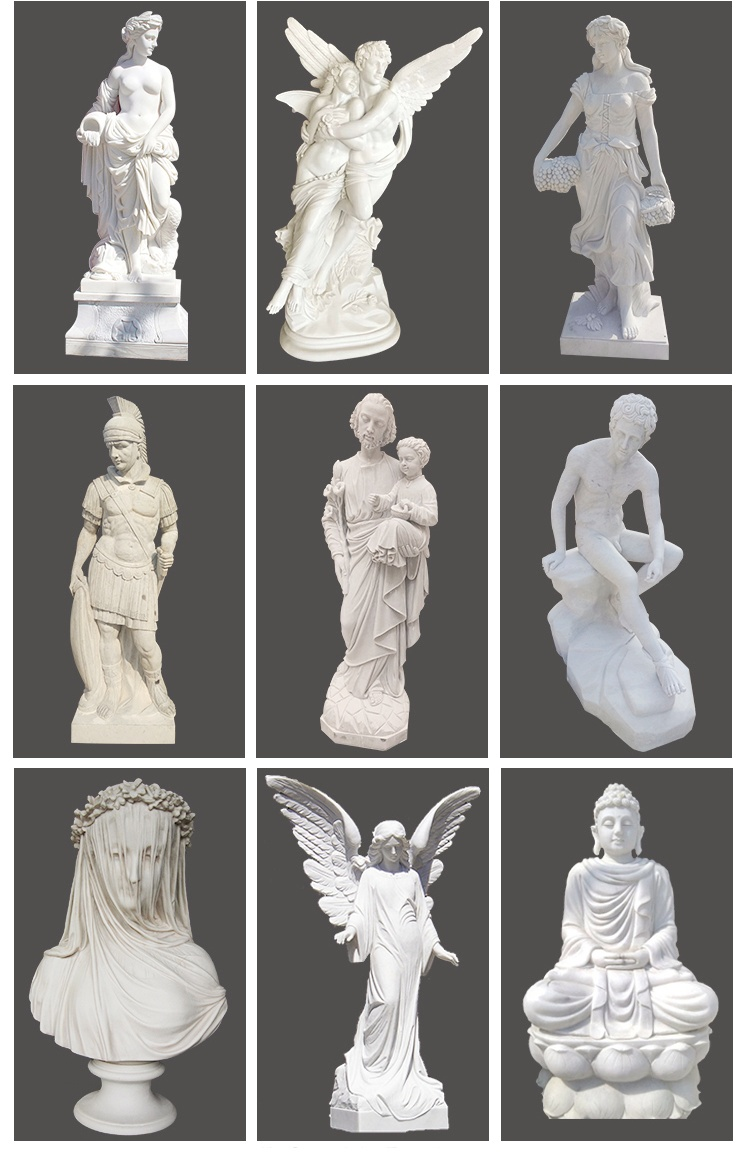
The Enduring Appeal of Marble as a Collector’s Medium
Geological Rarity and Aesthetic Permanence of Carrara and Statuario Marble
Marble sculpture has captivated collectors for millennia—rooted in the exceptional geological properties of white marbles like Carrara and Statuario. Formed through recrystallization of carbonate minerals under intense heat and pressure, these stones develop a dense, fine-grained structure ideal for intricate carving. Statuario, prized by Renaissance masters, stands out for its luminous translucency and dramatic grey veining against a pure white ground—a rare combination increasingly scarce from the Apuan Alps quarries worked since Roman times. This geological rarity, paired with marble’s near-immortal durability, distinguishes it from more vulnerable media: unlike bronze (prone to oxidation) or wood (subject to decay), marble retains crisp detail for centuries with minimal intervention. Classical sculptures still convey emotional resonance today—not despite their age, but because of the material’s enduring integrity. That convergence of scarcity and permanence anchors marble’s status as a timeless collector’s medium.
How Light Interaction and Natural Veining Enhance Sculptural Depth and Value
Marble’s subtle translucency enables subsurface scattering—the penetration and diffusion of light beneath the surface—which softens transitions, enriches tonal gradations, and lends skin-like warmth to figurative work. This optical depth is unattainable in opaque materials. Equally vital is the stone’s natural veining: mineral impurities that trace organic, unpredictable paths through the block. No two slabs share identical patterns—making every hand carved marble sculpture inherently singular. Collectors often seek specific veining aesthetics: bold, rhythmic strokes in Arabescato; delicate, feathery threads in Calacatta. A master carver anticipates and aligns these veins with anatomical or compositional flow—enhancing movement, emphasis, or narrative cohesion. This synergy between human intention and geological chance deepens authenticity, elevating value beyond technical execution alone. The result is a dynamic, light-responsive artwork whose appearance shifts with ambient conditions—offering a sensory experience no reproduction can replicate.
Artisanal Uniqueness: Why Hand Carved Marble Sculpture Commands Premium Recognition
The Irreproducible Human Signature in Chisel Marks and Surface Texture
While CNC machines efficiently remove bulk material, the defining character of a hand carved marble sculpture emerges only through artisanal finishing—where every chisel stroke, undercut, and polished curve bears the artist’s deliberate, physical imprint. Microscopic surface variations—undulating planes, controlled abrasion, and nuanced transitions—interact with light to generate living depth and tactile richness absent in machine-polished or resin-cast alternatives. Industry practice confirms hybrid workflows are standard: automation handles roughing-out, but all expressive nuance—from eyelid tension to drapery ripple—is executed by hand. Collectors routinely inspect tool marks under magnification to authenticate provenance and craftsmanship, recognizing these textures as irrefutable evidence of direct artistic engagement. That visible, touchable signature transforms the sculpture into both an aesthetic object and a record of labor—deepening emotional connection and justifying significant market premiums. In auction results, hand carved marble consistently outperforms mechanized counterparts, not merely as art, but as a documented encounter between human skill and geological material.
Cultural Capital and Collector Motivations Behind Marble Sculpture Acquisition
For high-net-worth individuals, collecting marble sculpture operates on multiple registers: aesthetic appreciation, historical resonance, and social signaling. As noted in Bain & Company’s 2023 art investment report, 78% of collectors view acquisitions as expressions of cultural literacy and personal brand—elevating the object beyond decoration into a marker of intangible capital and belonging.
Status Signaling Through Provenance, Pedigree, and Studio Lineage
Provenance is paramount. A documented chain of custody—from a master carver’s studio to a historically significant private or institutional collection—confers narrative authority and scarcity that mass-produced décor cannot emulate. Similarly, studio lineage carries weight: association with a recognized atelier or intergenerational carving tradition signals rigorous training, consistent quality, and access to premium materials. For discerning buyers, this pedigree provides a defensible foundation for value—differentiating works in a market where technical competence is widespread but authentic artistic lineage remains rare. It transforms ownership into participation in an enduring cultural continuum.
Market Resilience and Investment Value of Hand Carved Marble Sculpture
2015–2023 Appreciation Trends: Hand Carved Marble vs. Bronze and Resin Alternatives
Between 2015 and 2023, hand carved marble sculpture appreciated at an average annual rate of 12%, outpacing bronze (8%) and resin alternatives (3%), according to the Art Market Monitor 2023 report. This resilience stems from structural advantages: inherent material scarcity, the labor-intensive nature of hand carving (which caps supply), and strong demand from collectors seeking culturally anchored, inflation-resistant assets. Unlike editioned bronzes—whose values fluctuate with metal markets—or mass-produced resins—often lacking provenance or uniqueness—hand carved marble pieces with documented origin and artistic merit have repeatedly achieved record prices at major auction houses. Their physical endurance, aesthetic timelessness, and layered narratives of geology, craft, and history collectively reinforce long-term value—positioning them as both culturally resonant heirlooms and strategically sound investments.
FAQ
What makes marble sculptures so special compared to other materials?
Marble sculptures are valued for their geological rarity, durability, and aesthetic qualities such as translucency and unique veining patterns, which make them ideal for intricate carvings and dynamic visual effects.
Why is Carrara and Statuario marble particularly sought after?
Carrara and Statuario marble are prized for their pure white ground, luminous translucency, and dramatic veining, traits that make them uniquely suitable for sculptural art and increasingly scarce.
How does the finishing process add value to a hand carved marble sculpture?
Artisanal finishing adds depth and character through chisel marks and nuanced texture, which serve as irrefutable evidence of craftsmanship and enhance the tactile and visual appeal of the sculpture.
Is marble sculpture a good investment?
Yes, hand carved marble sculptures have demonstrated market resilience, appreciating at an annual rate of 12% between 2015 and 2023, making them both culturally significant and inflation-resistant investments.
Why is provenance important for marble sculptures?
Provenance provides authenticity and narrative significance, tracing the sculpture’s history from its creation to ownership, which increases its value and cultural capital.