 EN
EN

White Marble Market Dominance: Demand Drivers and Strategic Positioning
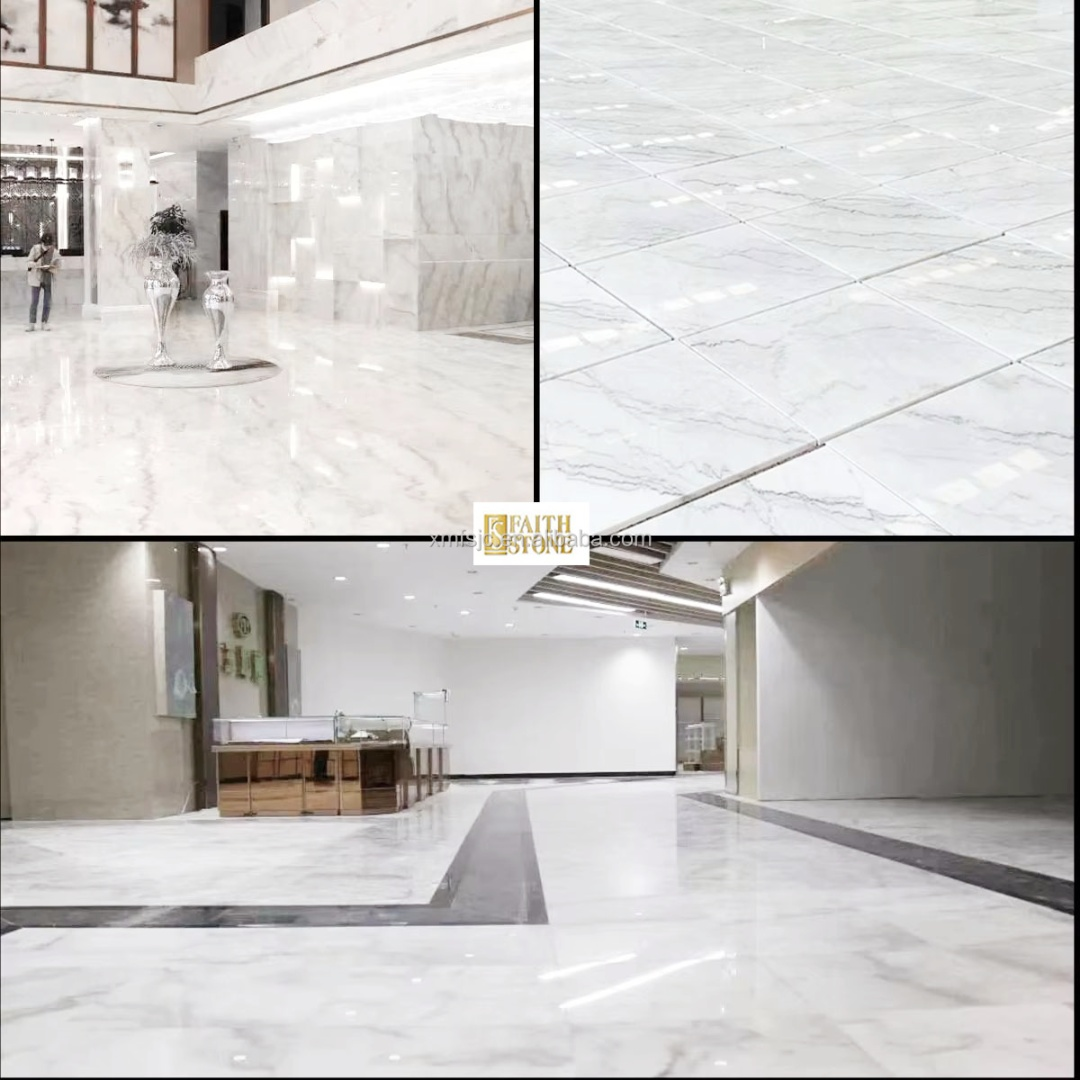
The global white marble market is anchored by sustained demand from luxury construction and high-end interior design—sectors that collectively drive the majority of its commercial value. Construction and decoration applications represent 58% of market utilization, reflecting white marble’s foundational role in premium architectural projects. This demand stems from an enduring preference for its aesthetic distinctiveness: nearly half of all interior designers specify it for flooring, countertops, and decorative features due to its perceived durability and high-end architectural value. A 2023 survey by a leading industry body found that luxury real estate developments accounted for the vast majority of white marble imports in key Middle Eastern markets, reinforcing its status as a staple for prestige developments, international airports, and government buildings—especially across the Asia-Pacific region.
Strategic positioning is shaped by a concentrated global supply chain and a decisive shift toward value-added processing. Europe controls 40% of global white marble production capacity, while Turkey alone manages 42% of international export distribution. This concentration enables top-tier manufacturers—just ten firms securing nearly half of all supply contracts—to leverage vertical integration: fully integrated operators achieve 35% lower logistics costs through coordinated extraction, fabrication, and finishing. Yet high installation and maintenance costs remain a constraint, cited by 45% of construction contractors as a key market restraint. To offset this—and growing competition from engineered stone—the industry is pivoting decisively toward digital fabrication. Over 39% of construction companies now adopt precision cutting technologies to improve installation efficiency and minimize material waste, strengthening white marble’s value proposition in performance-driven environments.
Processed White Marble Products: Tiles, Slabs, and Blocks in Modern Applications
Book-Matched Slabs and Thin Panels for Seamless Luxury Interiors
The tiles and slabs segment dominated the global marble market in 2025, driven by surging demand for large-format white marble in luxury architecture. Book-matched slabs—where adjacent panels mirror each other’s natural veining—create uninterrupted, symmetrical surfaces that define elite residential and hospitality interiors. Enabled by advanced CNC cutting and water jet technology, ultra-thin panels (as slim as 6 mm) reduce weight without compromising structural integrity. This lightweight cladding expands application possibilities to feature walls and ceilings, where the continuous flow of veining transforms spatial perception into refined elegance. Minimalist design trends increasingly prioritize these mirror-like harmonies—delivering visual impact without clutter.
Stain-Resistant Finishes and CNC-Cut Elements for High-Performance Countertops and Flooring
For countertops and flooring, white marble’s natural porosity is now effectively mitigated through resin reinforcement and advanced stain-resistant sealers—dramatically reducing etching and moisture absorption. CNC machining delivers precise edge profiles, waterfall edges, and intricate inlays, while automated polishing ensures uniform gloss or matte finishes across every tile. The availability of honed, brushed, and polished textures gives architects flexibility to balance aesthetics with functional durability. These innovations in surface treatment and precision fabrication have cemented white marble’s role in high-traffic commercial and residential projects—where performance no longer compromises timeless appeal.
Digital Fabrication and Value-Added Processing Elevating White Marble Competitiveness
Digital fabrication has redefined how white marble meets modern architectural expectations—transforming raw stone into consistently high-value finished products. CNC-based cutting, water jet systems, and automated polishing lines are not just efficiency upgrades; they fundamentally elevate market positioning by reducing waste, enabling complex customization, and delivering flawless surface finishes. This technological advancement directly addresses architects’ and designers’ rising demands for thin panels, non-standard geometries, and repeatable quality in luxury residential and commercial builds.
CNC Precision, Water Jet Cutting, and Automated Polishing Enhancing Consistency and Aesthetic Fidelity
CNC machining improves production precision by approximately 24%, while automated polishing systems cut surface finishing defects by nearly 17% (2024 industry data). Over 60% of white marble processors in key production hubs—including China and Turkey—have adopted at least one digital cutting system, reducing material wastage by 18%. Water jet cutting complements these capabilities by achieving intricate, thermally stress-free profiles. Meanwhile, digital slab visualization platforms boost customer conversion rates by 29%, allowing clients to preview exact veining patterns before fabrication. Collectively, these tools ensure book-matched panels, thin cladding, and custom-cut elements maintain uniform gloss, texture, and edge quality—essential for the seamless luxury interiors defining current market leadership.
Performance Leadership: Gloss Retention and Surface Integrity of Processed White Marble
Processed white marble consistently outperforms alternative materials in high-traffic, high-visibility applications. Modern polishing techniques deliver surfaces that resist micro-scratching and retain reflective quality far longer than earlier generations—reducing both maintenance frequency and lifecycle costs. For architects and developers, the ability to guarantee a luminous, mirror-like finish over years of use has become a decisive specification criterion. This shift toward scientifically validated performance metrics strengthens white marble’s standing in premium architectural specifications.
ASTM-C97-22 Data Confirms 92% Gloss Retention After 5 Years — A Key Differentiator for Premium Projects
Laboratory testing under ASTM International standard C97‑22 confirms that high-grade processed white marble panels retain 92% of their original gloss rating after five years of simulated heavy use—a significant leap over the natural stone industry average, where gloss retention typically falls below 80% within the same period. This result stems from precisely controlled, multi-stage polishing that seals the surface at a microscopic level, minimizing porosity and enhancing resistance to staining agents. For specifiers of luxury hotels, corporate lobbies, and high-end retail environments, this verified longevity translates into enduring visual impact and reduced operational disruption—solidifying white marble’s position as a top-tier architectural finish.
FAQ
What drives the demand for white marble?
The demand for white marble is driven by its aesthetic appeal, durability, and high-end architectural value, particularly in luxury construction and interior design.
What are the main applications of white marble?
White marble is widely used in flooring, countertops, decorative features, feature walls, and high-visibility architectural projects like luxury hotels and government buildings.
What challenges does the white marble industry face?
High installation and maintenance costs, along with competition from engineered stone, are primary challenges for the white marble industry.
How has digital fabrication impacted white marble processing?
Digital fabrication technologies such as CNC cutting and water jet systems have reduced waste, improved customization, and enhanced production efficiency, elevating white marble’s market competitiveness.
What makes processed white marble superior in terms of performance?
Processed white marble offers enhanced gloss retention, reduced porosity, and superior durability—making it ideal for high-traffic, high-visibility applications.
Table of Contents
- White Marble Market Dominance: Demand Drivers and Strategic Positioning
- Processed White Marble Products: Tiles, Slabs, and Blocks in Modern Applications
- Digital Fabrication and Value-Added Processing Elevating White Marble Competitiveness
- Performance Leadership: Gloss Retention and Surface Integrity of Processed White Marble
- FAQ