 EN
EN

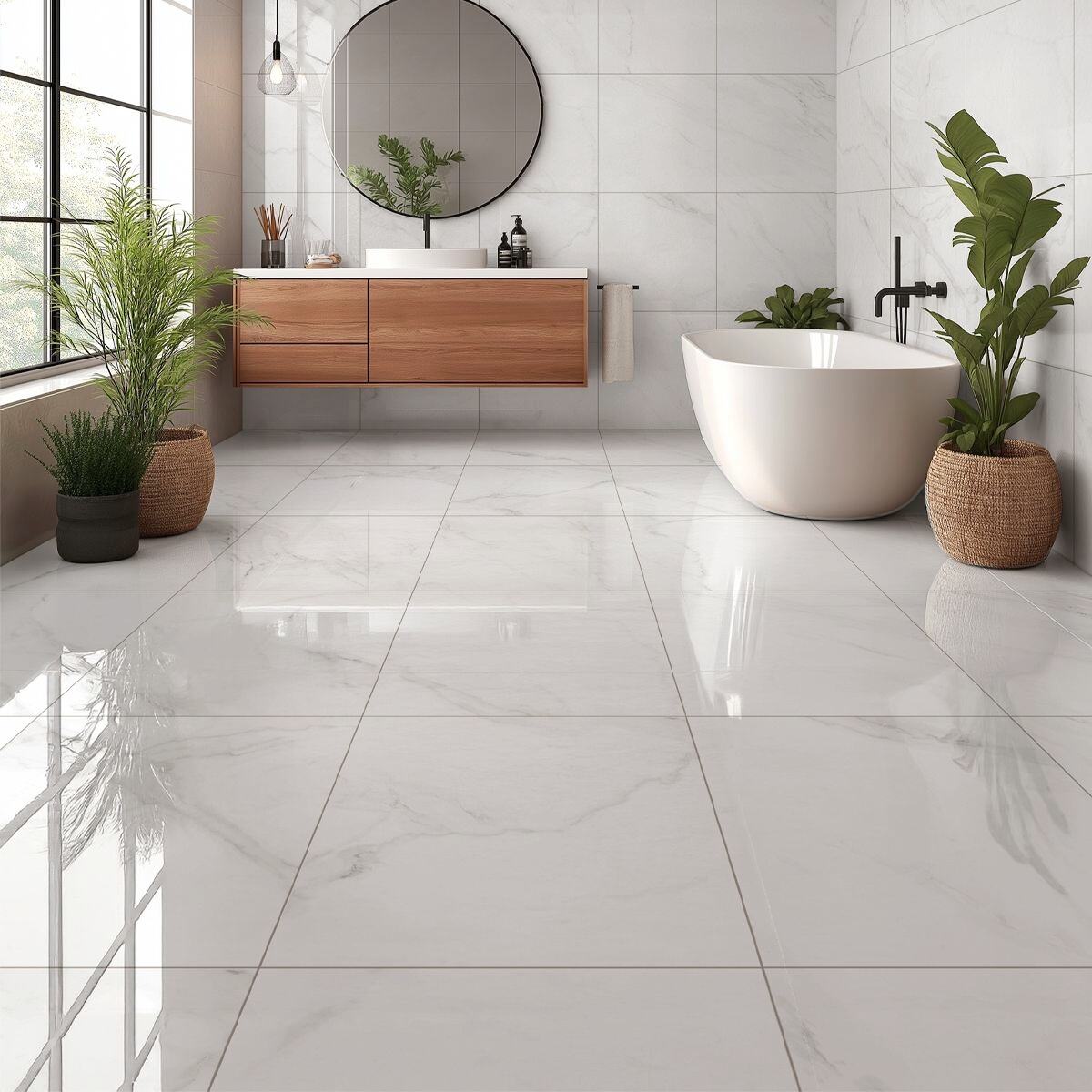
Why Marble Flooring Requires Sealing: Porosity, Etching, and Stain Risk
Marble’s Natural Porosity and Its Impact on Stain Absorption
Marble floors have tiny pores because they're made mostly of calcium carbonate, which means they soak up liquids pretty easily. Wine spills, coffee accidents, even motor oil can get absorbed into the stone within just a few minutes if not cleaned right away, leaving behind stubborn stains that never really go away. A recent report from Stone Care International (2023) found that marble without proper sealing soaks up drinks about 15 times quicker than when it's been properly protected. The good news is that penetrating sealers work wonders by filling those little holes and creating an almost invisible shield against staining, all while keeping the beautiful look of natural stone intact. For places where people walk a lot through the day, like entryways or kitchens, it makes sense to refresh the seal more often to keep that protective layer strong over time.
Etching vs. Staining: How Acidic Substances Damage Marble Flooring
Etching and staining aren't just similar issues they're actually quite different problems on stone surfaces. When something colored gets absorbed into the stone, that's what creates a stain. But etching works differently it happens when acids from things we commonly find around the house (think lemon juice, wine, even vinegar) react with the calcium carbonate in marble. What this does is create those frustrating white spots or cloudy areas that just won't go away with regular cleaning methods. Most times, getting rid of etch marks means calling in someone who knows how to properly polish marble back to its original shine.
Sealers will stop most stains from getting through but they won't stop etching from happening. This matters a lot in kitchens and dining rooms where tables get hit with lemon juice, wine, or vinegar all the time. If something spills, it's best to wipe it up right away before it has a chance to sit. Stick to cleaners that are pH neutral instead of regular household stuff. Stains usually take some time to really sink in, but etching marks can show up almost instantly when something acidic touches the surface. That's why quick action makes such a difference in keeping surfaces looking good long term.
Types of Sealers for Marble Flooring: Penetrating Impregnators Explained
How Penetrating Sealers Protect Marble Flooring Without Altering Appearance
Penetrating sealers, sometimes called impregnators, work by soaking into the tiny holes in marble floors. They create a kind of protective shield against water and oil spills without leaving anything on the surface. This is different from regular coatings which sit on top and can change how the stone feels and looks. The best part? These sealers let the stone breathe, so moisture doesn't get trapped inside causing those annoying cloudy spots. That's why they're so good for places where humidity is a problem, like bathroom floors. According to some research in material science, these products actually stop around 99 percent of everyday stains while keeping the marble looking just as beautiful as it did before sealing.
Water-Based vs. Solvent-Based Impregnators for Marble Flooring
| Feature | Water-Based Impregnators | Solvent-Based Impregnators |
|---|---|---|
| Eco-Friendliness | Low VOCs, biodegradable | Higher chemical emissions |
| Application | Low odor, dries quickly | Requires ventilation, slow cure |
| Durability | 2–3 years (moderate traffic) | 5+ years (high-traffic zones) |
| Penetration Depth | Moderate surface protection | Deep pore saturation |
Water-based sealers are ideal for eco-conscious homeowners, offering easy application and faster drying. Solvent-based options provide longer-lasting protection, especially in commercial spaces or high-traffic entryways. Neither type prevents etching, but both significantly reduce stain risk by forming molecular barriers within the stone.
How Often to Seal Marble Flooring: Testing, Timing, and Real-World Factors
The Water Test and Oil Test: Simple Ways to Assess Marble Flooring Sealant Integrity
Want to know if those marble floors need sealing again? Try the simple water test first. Just drop some water on different spots around the floor. Watch what happens over about 5 to maybe 10 minutes. If the water stays beaded up like little pearls, then great news the sealant is still working fine. But when the stone gets darker or drinks up the water, that means it's time to get out the sealer again. Another quick check involves a bit of food grade oil. Rub some onto an inconspicuous area. If the oil disappears into the stone within ten minutes or so, chances are good that whatever protection was there has worn away. These free tests can save money down the road by catching problems early. According to industry data from last year's Stone Care Report, kitchens where these tests fail end up with stains at almost double the rate compared to properly maintained surfaces.
Factors That Affect Resealing Frequency for Marble Flooring (Traffic, Environment, Maintenance)
Resealing frequency depends on several real-world factors:
- Traffic volume: Entryways and hallways may require annual sealing; low-use areas can go 2–3 years.
- Environmental exposure: High humidity in bathrooms accelerates sealer breakdown.
- Maintenance routine: Harsh or acidic cleaners degrade sealants faster than pH-neutral alternatives.
- Spill response: Immediate cleanup reduces chemical exposure and extends sealer life.
While average intervals range from 6 to 24 months, relying on performance tests is more effective than following a fixed schedule.
Sealing Marble Flooring: A Safe, Step-by-Step Application Guide
Pre-Sealing Prep: Cleaning, Drying, and Surface Readiness for Marble Flooring
Getting things right before applying sealant makes all the difference when it comes to getting good results. Start off by brushing away any dust or dirt with something gentle like a soft bristle brush or just run a vacuum over the area. For cleaning, stick with pH neutral stone cleaners instead of vinegar or anything acidic since those tend to eat into the stone surface. Give everything a good rinse after cleaning and make sure there's no leftover cleaner hanging around. Let the marble dry out fully for anywhere from a day to almost two days in a space where air can circulate properly. Want to check if it's really dry? Tape down a piece of plastic wrap somewhere on the floor overnight. If water droplets form underneath, then there's still moisture present. Keep the room temperature somewhere between about 50 degrees and 90 degrees Fahrenheit while waiting for it to dry and when actually putting on the sealant. This helps everything stick properly without issues later on.
Application Best Practices and Common Mistakes to Avoid with Marble Flooring
When applying sealer, go for thin layers rather than thick ones, and use something like a lint free pad to spread it out. It helps to tackle small areas at a time, maybe around three feet by three feet works well enough for most folks. Let the stuff soak in for somewhere between five to ten minutes before wiping away any extra with a fresh microfiber cloth. If there's leftover material hanging around, that's when things get sticky or cloudy looking later on. Also important to have good air flow while working, and definitely avoid walking on the treated area for a full day after application. The drying process needs time to complete properly otherwise all that effort might be wasted.
Common mistakes include:
- Using all-purpose or acidic cleaners that damage marble
- Skipping drying time, which traps moisture and causes cloudiness
- Applying sealer in direct sunlight, leading to premature curing
After application, allow 48–72 hours for full curing before regular use. Perform a water test on sealed areas; if droplets are absorbed, reapply the sealer for complete coverage.
FAQ
Why does marble flooring need sealing?
Marble floors require sealing because they are porous and can easily absorb liquids, leading to stains. Sealing helps fill the pores and creates a protective barrier against staining.
What is the difference between etching and staining on marble?
Staining occurs when colored substances are absorbed into the marble, while etching happens when acids react with the calcium carbonate in marble, creating white spots or cloudy areas.
How often should marble flooring be sealed?
The frequency of sealing depends on factors like traffic volume, environmental exposure, and maintenance routine. Average intervals range from 6 to 24 months.
Can sealers prevent etching on marble?
No, sealers can prevent most stains but not etching. Avoiding acidic substances and quick cleanup are crucial measures to prevent etching.
What tests can be done to assess the need for resealing marble?
The water and oil tests are simple methods to determine if resealing is required. If water or oil is absorbed into the stone, it's time to reseal.