 EN
EN

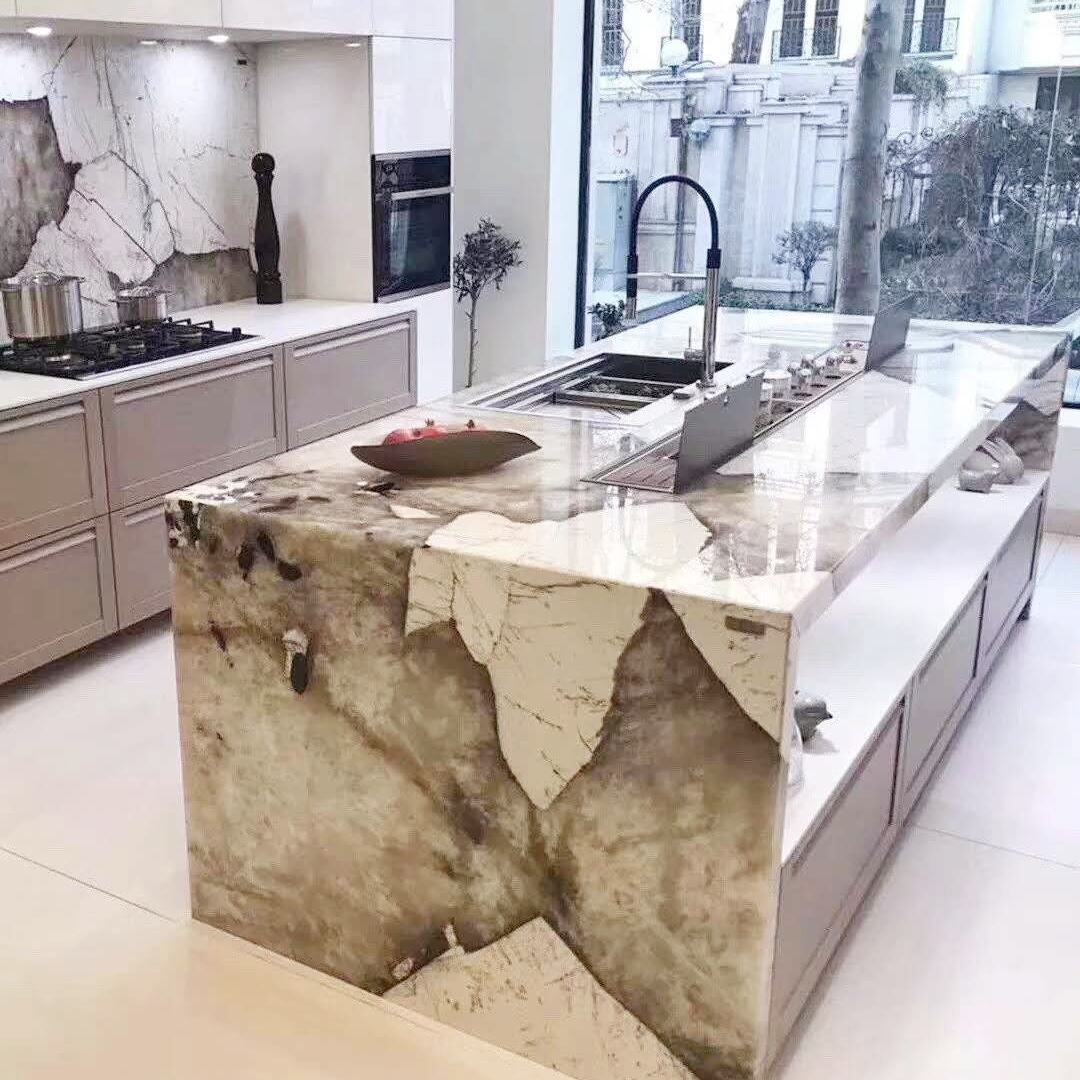
Understanding Marble's Scratch Susceptibility and Hardness
Marble Susceptibility to Scratches: A Mineral Perspective
The reason why marble gets scratched so easily has everything to do with what's inside it. Marble is basically a type of metamorphic rock composed mostly of calcite, which is calcium carbonate for those keeping score at home. On the Mohs hardness scale, this puts marble around level 3, while granite sits comfortably between 6 and 7, and engineered quartz clocks in right at 7. Because of this lower hardness rating, marble surfaces tend to show signs of wear pretty quickly during regular kitchen use. Cutting directly on marble or moving heavy pots across it will leave visible marks over time. Some marbles contain small amounts of other minerals like dolomite that can offer a tiny bit more resistance, but since calcite makes up most of the stone, marble just can't compete with tougher countertop options when it comes to resisting scratches and abrasions in daily life.
Mohs Hardness Scale and Marble's Position Among Countertop Materials
The Mohs scale measures scratch resistance by determining which materials can scratch others. The following comparison highlights where marble stands among popular countertop choices:
| Material | Mohs Hardness | Scratch Resistance |
|---|---|---|
| Engineered Quartz | 7 | Resists knives, pots, and heavy use |
| Granite | 6-7 | Highly resistant; only scratched by intentional gouging |
| Marble | 3-4 | Easily scratched by common kitchen items |
As noted in scratch hardness research, materials below Mohs 5 are generally unsuitable for high-impact environments without protective practices. This explains why marble demands more careful handling in active kitchens compared to harder alternatives.
Honed Marble and Its Ability to Hide Scratches and Etching
Marble with a honed or matte finish actually has some real benefits for everyday use. The slightly rougher texture hides those little scratches and etch marks much better than when it's polished smooth. When marble is polished, sure it brings out those beautiful veins in the stone, but the shiny surface tends to make every tiny flaw stand out under light. Honed marble works differently because the matte look scatters light around instead of reflecting it straight back. This makes the stone look less worn over time. Still worth noting though, just because it hides damage better doesn't mean we can skip basic maintenance. Cutting boards on the counter and gentle cleaning products are still must-haves. Even honed surfaces will get scratched if left exposed to metal knives or scrubbed too aggressively with harsh chemicals.
How Marble Compares to Quartz and Granite in Scratch Resistance
Scratch Resistance of Countertop Materials: Quartz vs. Granite vs. Marble
Among common countertop materials, marble ranks lowest in scratch resistance due to its soft mineral base. The Mohs hardness differences clearly illustrate this hierarchy:
| Material | Mohs Hardness | Scratch Resistance Profile |
|---|---|---|
| Marble | 3-4 | Scratched easily by knives, metal tools, and coarse cookware |
| Granite | 6-6.5 | Resists most daily abrasions except deliberate scratching |
| Quartz | 7 | Superior scratch resistance; reinforced with polymer resins |
A recent analysis of material durability confirms that engineered quartz outperforms both granite and marble in scratch resistance. However, even granite provides significantly better protection against routine kitchen wear than marble, making both more suitable for high-use areas.
Material Considerations for Marble in High-Traffic Kitchens
Marble looks amazing but isn't really cut out for hectic kitchens because it's just not that tough. Cutting on the counter, moving around heavy appliances, and those lemon splashes all day long will eventually leave behind scratches and those ugly etch marks. If someone actually cooks in their kitchen daily, granite or quartz make much better choices since they stand up to punishment far better. Anyone thinking about installing marble needs to be ready for constant upkeep though. Always use cutting boards, wipe spills right away before they have time to sink in, otherwise that beautiful countertop won't stay looking good for long.
Daily Care and Prevention Tips for Protecting Marble Countertops
Everyday Care and Maintenance Practices for Marble Countertops
Keeping marble surfaces looking good doesn't have to be complicated. Just grab a pH neutral cleaner and a soft microfiber cloth each day to sweep away dust and grime buildup. Stay clear of anything acidic such as vinegar or lemon juice based cleaners since these actually eat away at the calcium carbonate in marble, leaving behind those unsightly etch marks. Most experts suggest sealing marble countertops somewhere between six months to a year with a good quality penetrating stone sealer. Thermal shocks from hot pots can crack marble over time, so always use trivets. And don't forget coasters under glasses either water rings will stain eventually. A little prevention goes a long way with these beautiful but delicate surfaces.
Avoiding Scratches on Marble Surfaces with Cutting Boards and Mats
Marble isn't exactly tough stuff on the hardness scale (around 3-4 on Mohs), so those little scratches from ceramic dishes or pots moving across it happen way easier than most people realize. For food prep areas, wooden or silicone cutting boards work best to protect the surface. When setting out decorative items such as vases or bowls, attaching some felt pads underneath goes a long way toward preventing accidental scuffs. Heavy appliances need special attention too. Putting down rubber mats helps spread out the weight instead of letting it all press down in one spot, which keeps those unsightly scratches at bay over time.
Common Household Items That Pose a Scratching Risk to Marble
- Metal utensils (knives, pizza cutters)
- Gritty cookware (cast-iron skillets, stoneware)
- Abrasive cleaning tools (steel wool, stiff-bristle brushes)
Store these items securely and avoid dragging them across the countertop. Even small particles of sand trapped under feet or cookware can abrade the surface over time.
Preventing Scratches on Marble Surfaces During Cleaning
Opt for gentle cleaning materials like microfiber cloths or soft sponges rather than abrasive scrubbing pads when working with delicate surfaces. If there's a spill on the counter, pick up the glass or dishware instead of dragging it across the surface which can cause tiny scratches over time. When dealing with stubborn food residue, mix baking soda with just enough water to form a thick paste. Let this sit for maybe five minutes before wiping away with a slightly damp cloth rather than rubbing hard. The folks at the Natural Stone Institute did some research back in 2023 and found something interesting: around two thirds of those annoying little scratches people notice on their marble countertops actually come from using wrong cleaning techniques in the first place.
Repairing and Refinishing Scratched or Etched Marble Surfaces
Assessing Scratch Depth: When to DIY vs. Call a Professional
To check how bad a scratch really is, look at it under strong lighting conditions. When something looks gone after getting wet, chances are it's just a surface blemish that DIY methods can handle. But those deeper gouges that actually snag on your fingernails (usually anything more than about 1/16 inch deep) generally need expert help. Professionals will typically grind down the area, fill it with resin, then polish everything back to normal. Now for those dull patches from acid damage, most folks find success with diamond pads that go through different grit levels starting around 400 up to 3000. Just remember to take it slow between each step so as not to create new problems while fixing old ones.
Polishing and Refinishing Techniques for Restoring Marble Luster
Start off by giving the surface a good clean with something that's pH neutral for stone surfaces. When dealing with those small scratches, grab a handheld rotary tool equipped with those diamond impregnated pads. The process works best when moving through different grit levels gradually. Begin around 50 grit if there's serious damage, work up to between 400 and 800 grit to smooth things out, and finish with anything from 1,500 to 3,000 grit to get that nice glossy finish back. Many pros reach for oxalic acid solutions when they need to tackle those pesky etch marks right before doing the final polish, which really helps bring out the clarity and makes everything look shiny again. And for bigger spaces, marble specific polishing compounds work wonders when applied in overlapping circles with a heavy duty floor buffer machine.
| Repair Stage | Grit Range | Purpose | Tool |
|---|---|---|---|
| Initial Grinding | 50-200 | Remove deep scratches | Angle grinder |
| Refinement | 400-800 | Smooth surface | Orbital sander |
| Polishing | 1,500-3,000 | Restore gloss | Rotary polisher |
Sealing After Repair: Reinforcing Marble Durability and Surface Protection
Most refinishing work tends to mess with whatever sealant was already on there. Give the stone at least three full days to dry out completely after polishing before applying any new sealant. The best approach for most folks is simply spraying, letting it soak in for a bit, then wiping off the excess. Good quality sealants really cut down on how much liquid gets absorbed into marble surfaces, sometimes by almost ninety percent when compared to stone that hasn't been treated at all. For kitchen areas where spills happen regularly, particularly around sink areas and stoves, plan on resealing somewhere between six months and a year later. Wax based products are generally not recommended since they tend to leave behind that annoying cloudy residue which makes those beautiful veins in natural stone look flat and lifeless over time.
FAQ
Why is marble prone to scratches?
Marble consists mainly of calcite, which has a low hardness level of around 3 on the Mohs scale, making it susceptible to scratching.
Can honed marble hide scratches better than polished marble?
Yes, honed marble has a matte finish that scatters light, making minor scratches less visible compared to polished marble.
What materials are best for kitchen countertops to avoid scratches?
Quartz and granite are more scratch-resistant than marble and are recommended for high-use kitchens.
How can marble countertops be maintained to prevent scratches?
Use cutting boards, mats under heavy items, and gentle cleaning methods with pH neutral cleaners to preserve marble surfaces.
Is professional help necessary for deep scratches in marble?
Yes, deep scratches typically require professional refinishing with specialized equipment to restore the surface.