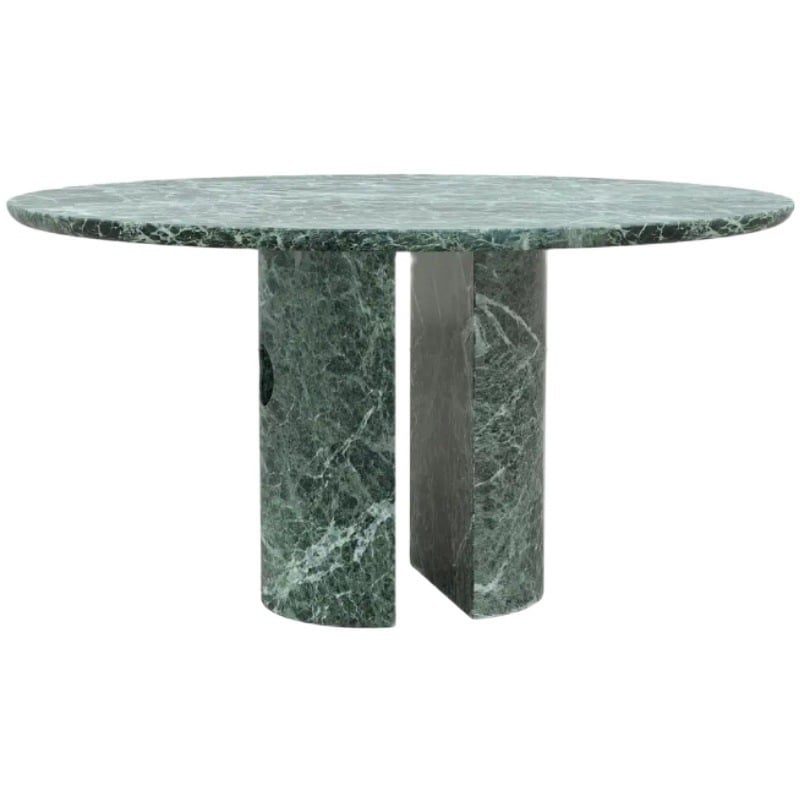
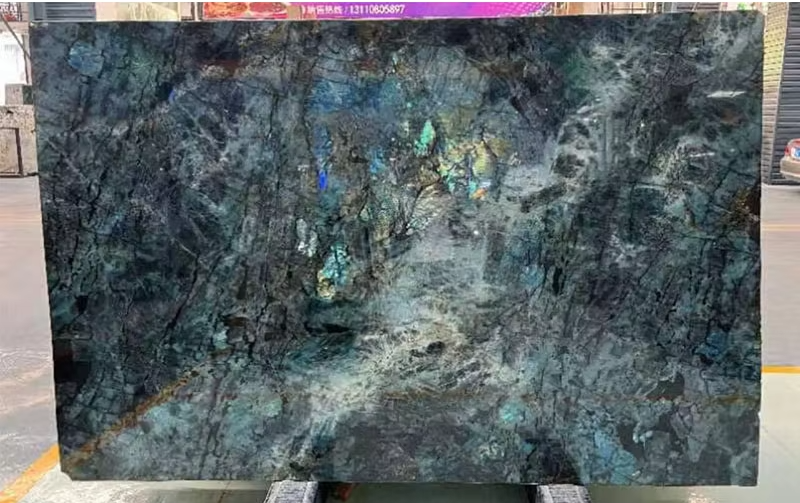
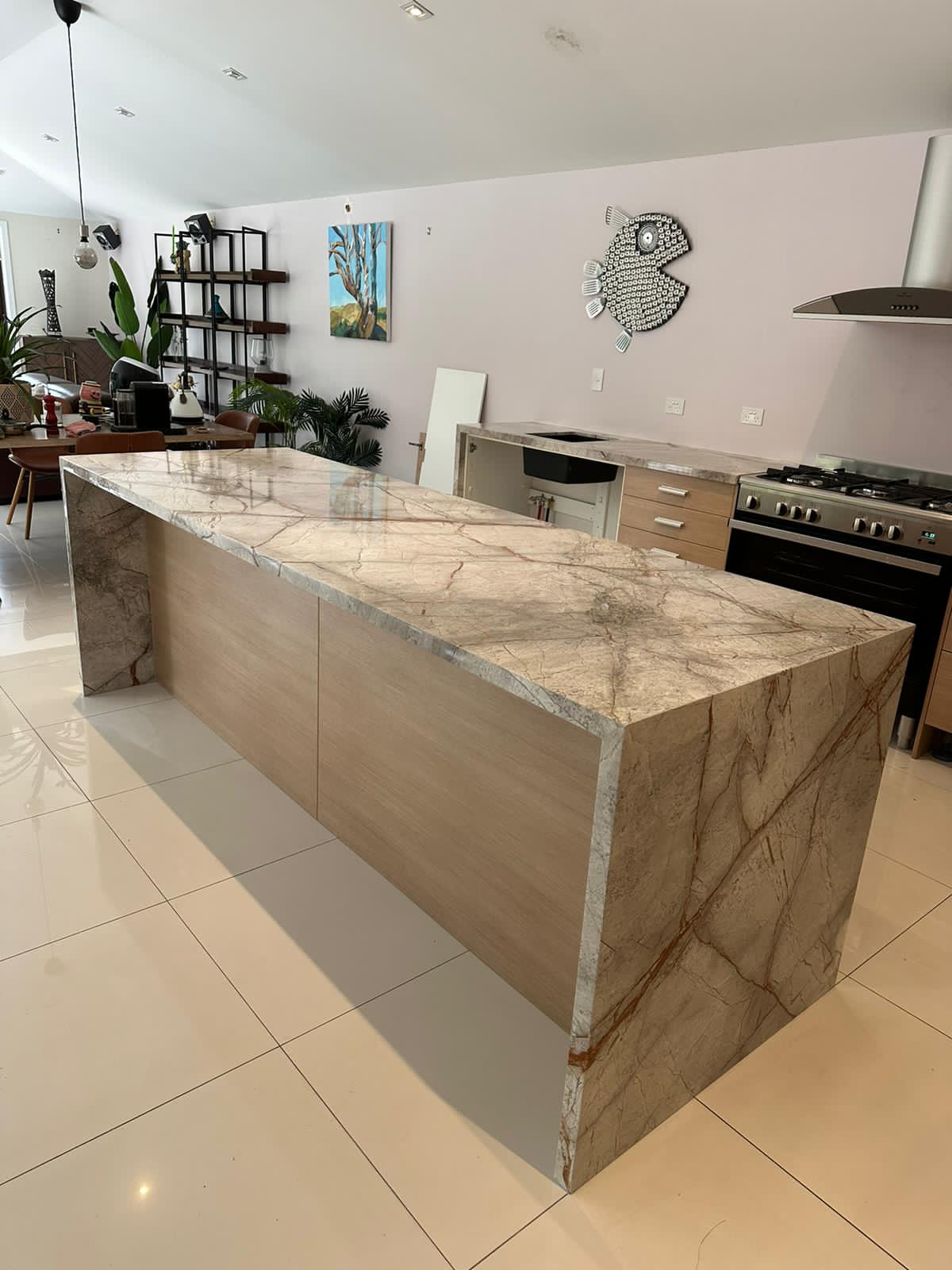
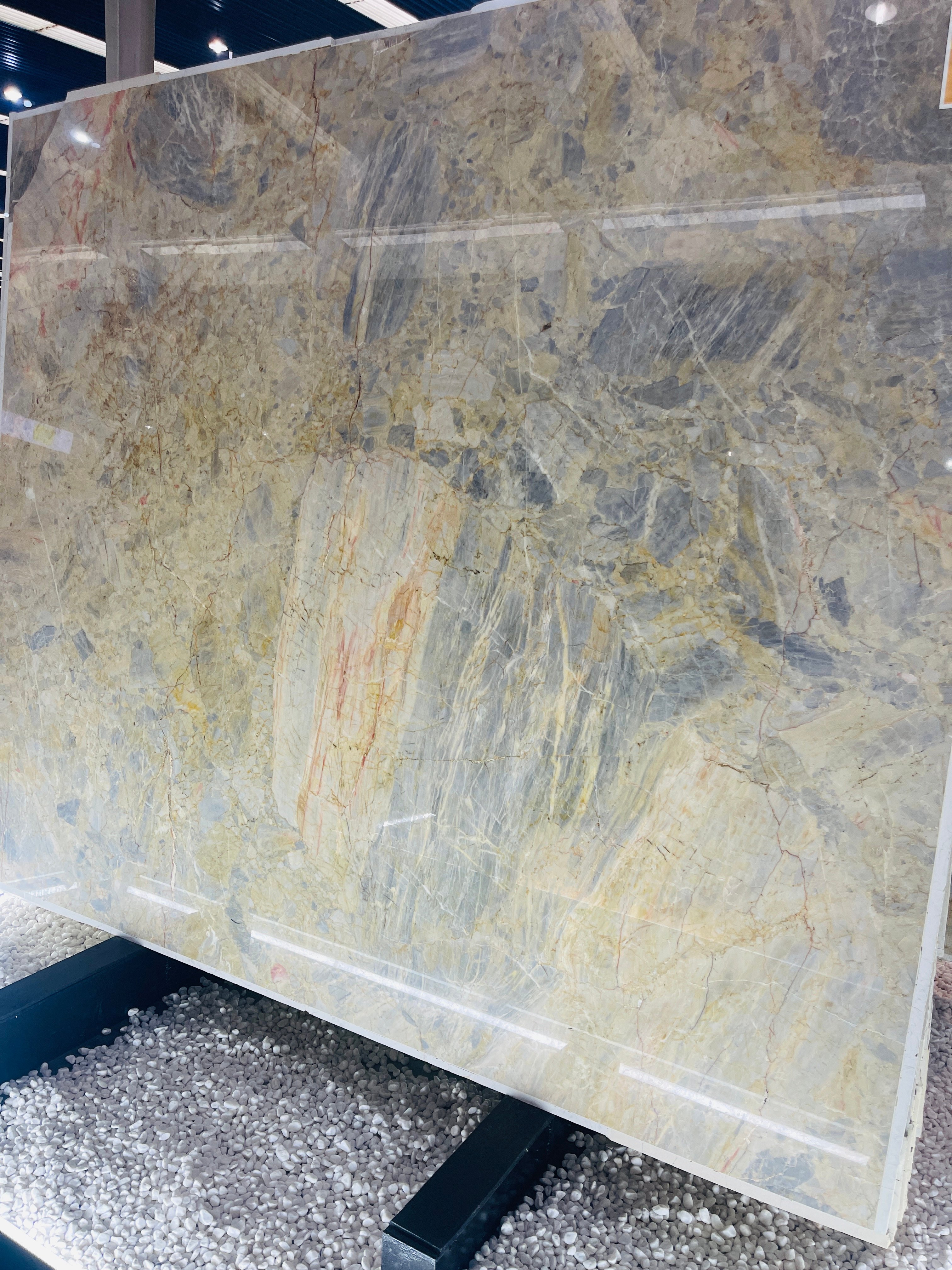
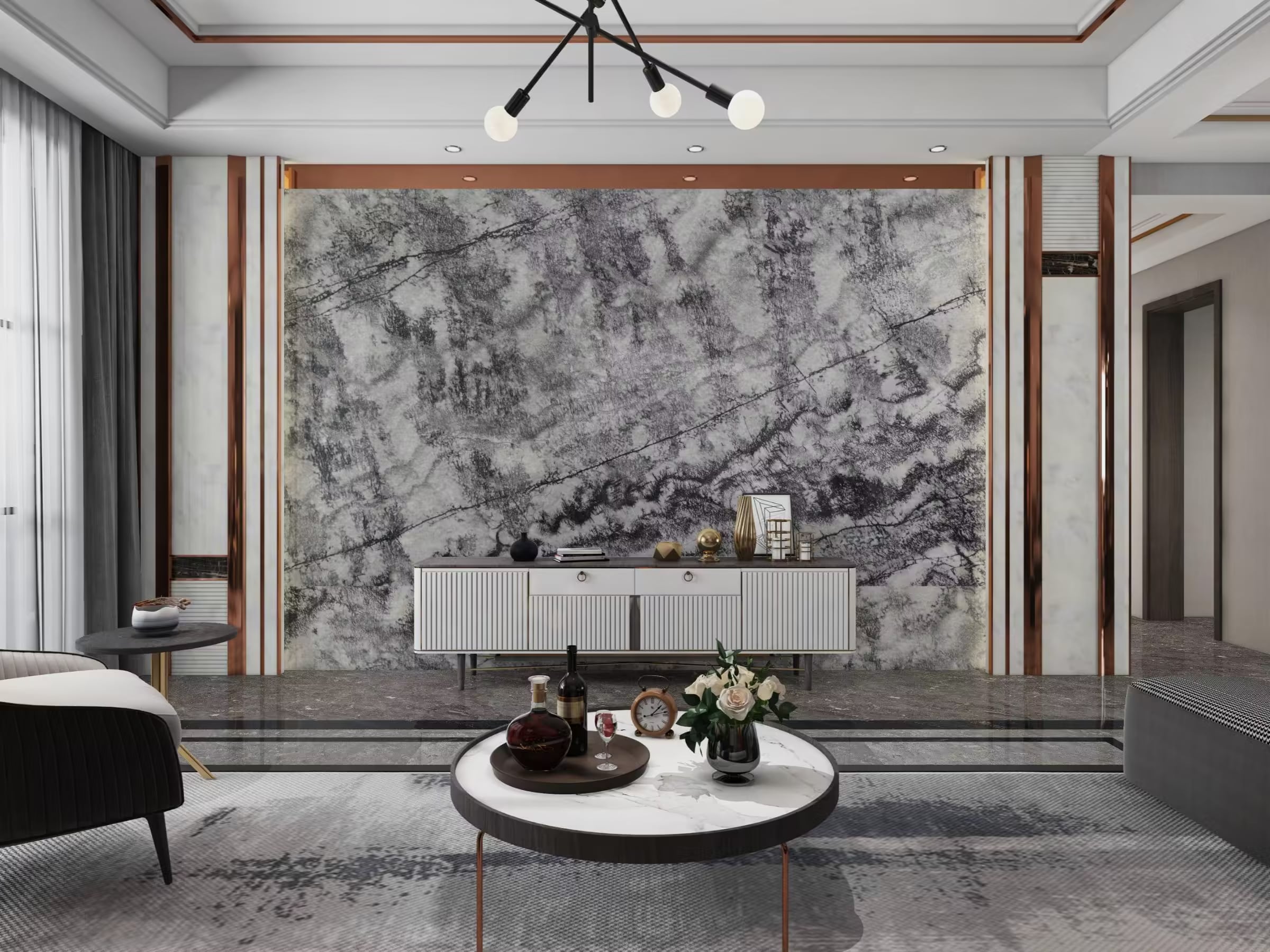
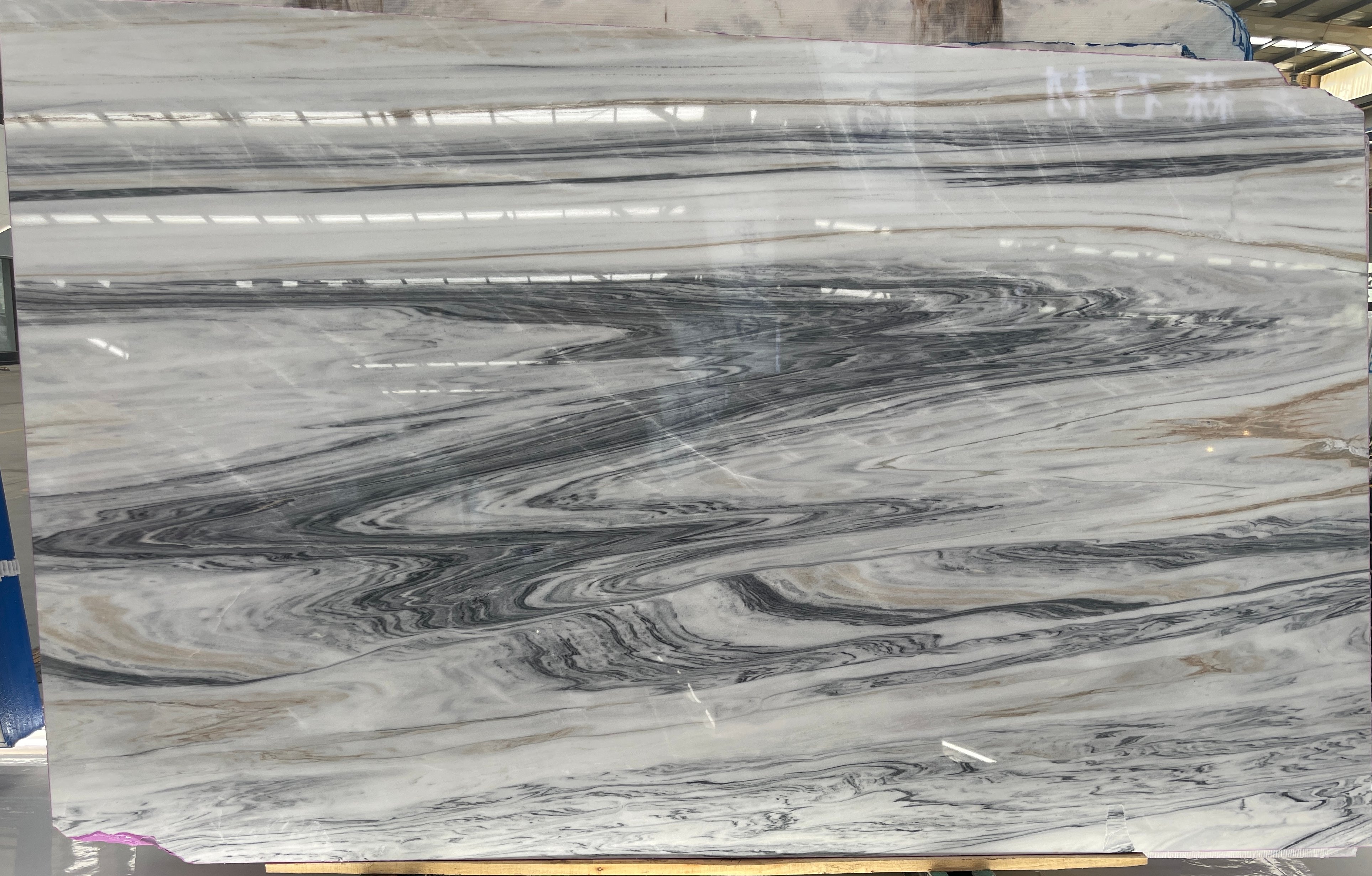
Calacatta Gold stands out as a top quality natural marble with striking veins running through it and those beautiful golden hues that give it character, something engineered quartz just can't match with its predictable appearance. Quartz itself is basically made up of around 93% ground up rock mixed with 7% plastic binders, whereas Calacatta Gold consists mostly of calcium carbonate which reacts when exposed to acidic substances. According to some research in material sciences, most natural marbles contain between 80 to 95 percent calcite content, compared to quartz countertops that get their durability from silica content exceeding 90%. Because of these fundamental differences, owners need to take extra care maintaining Calacatta Gold surfaces compared to sealed options such as quartz or sintered stone counterparts.
Calacatta Gold has a porosity range between 0.5% and 2%, which means it soaks up liquids roughly five times faster compared to granite. Because this marble contains calcium carbonate, it reacts pretty quickly when exposed to anything acidic with a pH below 7, causing those ugly permanent etch marks that nobody wants. Take lemon juice for instance, which sits around pH 2.0 on the scale. Just leave it sitting there for about half a minute and watch as the beautiful finish starts losing its luster completely something that would never happen with granite countertops. And speaking of messes, oil based spills get absorbed into the stone really fast too. That's why anyone who owns Calacatta Gold needs to grab a cloth right away whenever something gets spilled, otherwise they'll be dealing with stubborn stains down the road.
Calacatta Gold sits around 3 to 4 on the Mohs hardness scale, which means it's not as tough as granite that scores between 6 and 7. It's actually a bit softer than travertine too, which ranges from 4 to 5. Another thing worth mentioning is how sensitive this marble gets to heat changes. If exposed to temps over 212 degrees Fahrenheit (about 100 Celsius), it might crack right open. Granite can handle much hotter conditions, staying intact even when things get up to 480 F (around 250 C). Still, despite all these weaknesses, most people still go crazy for its look. A recent survey showed that nearly seven out of ten designers pick Calacatta Gold for their high end projects, probably because nothing else looks quite like it in natural stone circles.
Calacatta Gold doesn't play well with acidic substances, so stick to cleaners that are pH neutral around the 7.0 to 8.5 range. According to research from the Marble Institute of America back in 2023, most people who end up with those ugly etched marks on their countertops probably used the wrong kind of cleaner. Even something as common as diluted vinegar or lemon juice based products that sit below pH 6.5 will start making the marble look dull after about ten to fifteen cleanings. For best results, grab some stone specific cleaners from the hardware store rather than reaching for whatever is sitting under the sink. These specially made products help keep that beautiful finish looking sharp for years instead of turning into a maintenance nightmare.
Use microfiber cloths or flat-weave cotton towels to clean without scratching. Follow this routine:
Avoid scrub pads, steel wool, or abrasive sponges, which create micro-scratches that trap dirt and accelerate wear.
Certain household cleaners cause rapid damage:
| Hazardous Agent | Effect on Calacatta Gold | Timeframe for Visible Damage |
|---|---|---|
| Bleach | Discolors veining patterns | 2–3 exposures |
| Ammonia | Erodes surface sealants | Immediate |
| Hydrogen peroxide | Whitens golden hues | 24 hours |
Also avoid alkaline cleaners (pH >9), such as oven degreasers and grout removers, as they open pores and increase stain risk. For tough residues, use enzymatic cleaners designed for stone instead.
Acidic foods and drinks—including wine (pH 3.1) and lemon juice (pH 2.0)—can etch Calacatta Gold within minutes. According to the National Stone Institute’s 2023 analysis, vinegar exposure for just 30 seconds results in visible dulling 87% of the time.
Etching occurs when acid dissolves calcium carbonate crystals, creating microscopic pits that scatter light and leave a dull spot. The chemical reaction is:
$$\text{2H° (acid) + CaCO₃ — Ca²° + CO₂ + H₂O}$$
| Substance | pH Level | Time to Visible Etching |
|---|---|---|
| Orange Juice | 3.5 | 5–8 minutes |
| Red Wine | 3.1 | 3–5 minutes |
| Cleaning Vinegar | 2.4 | <60 seconds |
With a Mohs hardness of 3/10, Calacatta Gold scratches more easily than harder stones. Using cutting boards and felt pads under containers reduces scratch risks by 92% (2022 Marble Institute Study). Light surface marks can often be polished out using 0000-grit steel wool, though care must be taken to avoid overuse.
| Stone Type | Aesthetic Appeal (1-10) | Scratch Resistance | Acid Resistance |
|---|---|---|---|
| Calacatta Gold | 10 | Low | Very Low |
| Granite | 7 | High | Moderate |
| Quartz | 8 | High | High |
Homeowners drawn to Calacatta Gold’s dramatic appearance must commit to strict upkeep: daily cleaning with pH-neutral products, quarterly sealing, and immediate spill response to preserve its elegance.
Calacatta Gold’s 0.5–3% porosity makes it four times more prone to staining than non-porous quartz. Sealing fills tiny pores with hydrophobic resins, reducing liquid absorption by 96% in independent tests. Without sealing, olive oil can penetrate in under 8 minutes, causing irreversible discoloration.
Reseal every 12–18 months depending on usage. Key factors include:
Loss of water beading or subtle yellowing are early signs of worn protection.
| Feature | Impregnating Sealer | Topical Sealer |
|---|---|---|
| Penetration Depth | 1–4mm into stone | Surface-level film |
| Durability | 12–24 months | 3–9 months |
| Appearance Change | None | May add gloss |
| Best For | High-traffic kitchens | Decorative walls |
Impregnating sealers are preferred by 82% of stone restoration specialists for food-prep areas due to deeper protection and longer performance (National Stone Institute, 2022).
Allow 24–48 hours to cure before regular use. Do not speed drying—it disrupts molecular bonding and weakens protection.
When something gets spilled, blot it right away with a microfiber cloth instead of wiping which just pushes the liquid further down into the surface pores. Water based messes such as coffee or juice should be cleaned up using a mild pH neutral cleaner that's been slightly diluted. For oil based stuff like grease or makeup, reach for a gentle detergent that's safe for stone surfaces and work it into the area with small circular movements. Getting to the spill within those crucial first 15 minutes makes all the difference really. According to research from Natural Stone Institute back in 2023, this quick response can cut down the chance of permanent stains by about 8 out of 10 times on stones like Calacatta Gold that have more open pores.
| Stain Type | Recommended Treatment | Avoid |
|---|---|---|
| Organic (wine, food) | Baking soda poultice + hydrogen peroxide | Vinegar or acidic cleaners |
| Oil-based (makeup) | Acetone-free dish soap + lukewarm water | Abrasive scrubs |
| Rust/Mineral | Commercial rust remover for natural stone | Bleach or ammonia |
Poultices—absorbent pastes—are ideal for deep-set stains that bypass the sealer, such as red wine, beet juice, or cooking oils. For etched areas caused by acid exposure, professional polishing with diamond pads restores smoothness and luster without altering the stone’s natural veining.
After 48 hours of red wine exposure, a residential countertop showed significant discoloration. Restoration steps included:
Calacatta Gold is a natural marble, valued for its striking veins and golden hues, whereas quartz is an engineered stone made of ground rock and plastic binders, giving it a more predictable appearance.
Its higher porosity and the reaction of its calcium carbonate composition to acidic substances make Calacatta Gold more prone to etching and staining compared to stones like granite or quartz.
Use pH-neutral cleaners, avoid acidic substances, seal regularly every 12-18 months, and respond promptly to spills to prevent permanent stains.
For organic stains, use a baking soda poultice with hydrogen peroxide. For oil-based stains, employ acetone-free dish soap and lukewarm water. For deeper stains, consider professional-grade restoration treatments.
 Hot News
2025-03-04
2025-03-04
2025-02-27

 EN
EN