 EN
EN

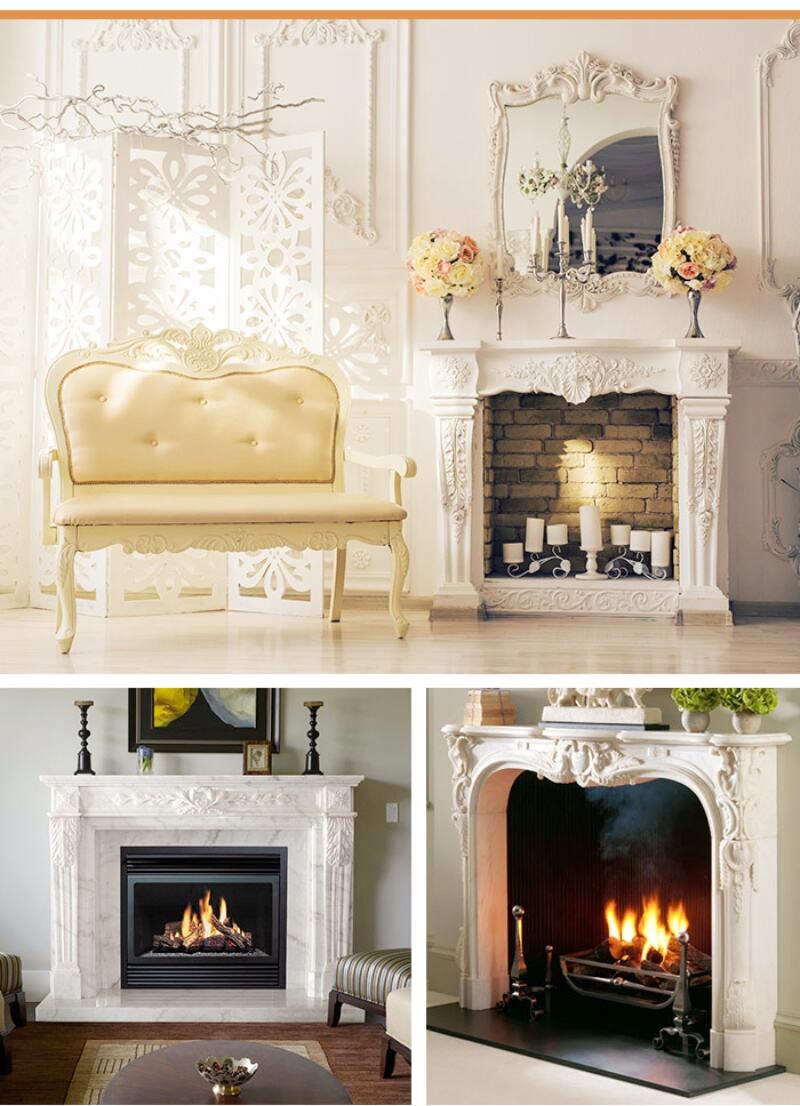
Why Choose a Marble Fireplace? Aesthetic Appeal and Long-Term Value
Marble fireplaces bring something special to a room because of those natural veins running through them and how they catch the light so beautifully. Every single piece has its own story written in stone from thousands of years underground, making each installation truly unique as a centerpiece for any home. Marble reflects light in ways that can actually brighten up darker corners of a space, and works surprisingly well whether paired with traditional decor elements or modern minimalist designs. What's really great about this material is that it handles heat pretty well too. Most marbles won't crack or warp under normal fireplace conditions if someone makes sure to install them correctly and keep them clean regularly.
Marble brings more to the table than just looks it actually holds its value over time too. When we look at luxury real estate markets, properties featuring genuine marble fireplaces tend to draw more attention from buyers and often sell for around 5 to 7 percent more compared to places with fake stone options. The extra money isn't just about looking fancy though. Marble stands the test of time. Think about those old European estates where marble fireplaces have been standing strong for hundreds of years still holding their shape and beauty without needing much fixing up at all.
Taking care of marble isn't complicated, just needs some attention. Seal it once a year with something that goes deep into the stone, and clean regularly using solutions that are neutral on the pH scale. This helps keep the surface looking good and stops stains from setting in. Acidic stuff or anything scratchy should definitely stay away since they'll actually eat away at the marble surface. Marble does need more TLC compared to those composite materials that are made in factories. But there's something special about real marble that lasts through time. The way it changes color and develops character as years go by? No plastic or synthetic material can ever match that natural beauty.
- Aesthetic flexibility: Equally suited to ornate carvings or minimalist monolithic slabs
- Investment protection: Resists stylistic obsolescence through permanent sophistication
- Structural integrity: Naturally dissipates heat without degradation
Traditional vs. Modern Marble Fireplace Styles
Old fashioned marble fireplaces come with all sorts of fancy details like elaborate carvings, decorative columns, and fancy mantels that really scream old money vibes. These look great in those classic, formal living rooms where people want to feel like they're sitting in Versailles. On the flip side, today's versions go for simplicity with straight lines, barely there veins running through the stone, and big single slabs that make a statement without shouting. Both kinds still work with the natural beauty of marble though they approach it differently. The traditional stuff goes all out with rich details while modern designs focus on making space feel balanced and not too busy. Some folks just love how these different approaches can transform the same room completely depending on what style speaks to them.
Popular Marble Varieties: Carrara, Calacatta, Emperador, and Nero Marquina
The choice of marble variety shapes both aesthetics and performance:
- Carrara: Soft gray background with feathery veining—versatile, widely available, and budget-accessible
- Calacatta: Bright white base with bold gold or brown veining—high-impact and luxurious
- Emperador: Warm chocolate-brown base with delicate white streaks—adds richness to traditional settings
- Nero Marquina: Deep black canvas with sharp, dramatic white veins—striking contrast for modern schemes
The porosity levels and how much upkeep they need can differ quite a bit between marble types. Light colored stones such as Carrara tend to get dirty faster and often need sealing every few months when used around fireplaces. A recent study from last year looked at different stones' durability found something interesting about dark marbles. The ones like Nero Marquina actually held up better than their lighter counterparts. These darker options showed about 30 percent less surface damage after sitting near heat sources for half a decade. That makes sense why many homeowners choose them for busy fireplaces where constant exposure happens regularly.
Heat Resistance, Maintenance, and Durability Realities
Marble’s density enables effective heat absorption without thermal degradation under normal fireplace conditions. However, direct flame contact or rapid temperature shifts can cause thermal shock. To ensure longevity:
- Clean monthly with pH-neutral cleaners and soft cloths
- Reapply penetrating sealer annually to block soot, oils, and moisture
- Never use vinegar, lemon juice, or abrasive pads—they etch calcite crystals and compromise surface integrity
Unsealed marble absorbs contaminants that weaken its crystalline structure over time, accelerating wear and dulling reflectivity. Consistent, gentle maintenance preserves both appearance and structural resilience.
Structural Requirements and Professional Installation Best Practices
A marble fireplace surround typically weighs 300–500 kg, demanding rigorous structural assessment before installation. Critical steps include:
- Verifying load-bearing capacity of walls and floor joists
- Installing non-combustible backer boards behind the stone
- Incorporating 5 mm expansion gaps to accommodate thermal movement
Certified natural stone installers are essential—improper leveling, adhesive selection, or grouting risks irreversible cracking. Industry data shows professional installation reduces failure rates by 74% compared to DIY attempts.
Specifying Marble Fireplaces for Commercial and High-End Residential Projects
When working on business-to-business design and renovation projects, getting the marble fireplace specs sorted out early makes everything run smoother and leads to better results overall. Commercial spaces like hotels, office lobbies, and executive suites really benefit from darker, heavier marbles such as Nero Marquina or Emperador Black because they stand up better to stains and wear in areas where people constantly walk by. For luxury homes though, clients love those special touches that make their space unique. Think about things like matching slab patterns across opposite walls or adding subtle built-in lighting around the hearth area which creates amazing visual continuity and keeps customers happy long after installation. Getting experienced stone professionals involved right at the beginning stage is absolutely critical. These experts know all about how different stones behave structurally, what kind of time frames we're looking at for materials to arrive, and exactly how various finishes will look once installed. This kind of collaboration prevents headaches down the road with unexpected delays, budget blowouts, and ensures the final product maintains its value thanks to solid craftsmanship that lasts for decades.
FAQ
- Is marble a good material for fireplaces? Yes, marble is an excellent choice for fireplaces due to its aesthetic appeal, heat resistance, and long-term value.
- Does a marble fireplace require a lot of maintenance? While marble fireplaces require regular cleaning and sealing, the maintenance is relatively straightforward, especially with pH-neutral solutions.
- Which type of marble is best for a modern design? Nero Marquina's deep black with sharp white veins makes it ideal for striking modern designs.
- What are the considerations for installing a marble fireplace? Ensure structural capacity, use non-combustible materials, and employ certified installers to prevent cracking.
Table of Contents
-
Why Choose a Marble Fireplace? Aesthetic Appeal and Long-Term Value
- Traditional vs. Modern Marble Fireplace Styles
- Popular Marble Varieties: Carrara, Calacatta, Emperador, and Nero Marquina
- Heat Resistance, Maintenance, and Durability Realities
- Structural Requirements and Professional Installation Best Practices
- Specifying Marble Fireplaces for Commercial and High-End Residential Projects
- FAQ