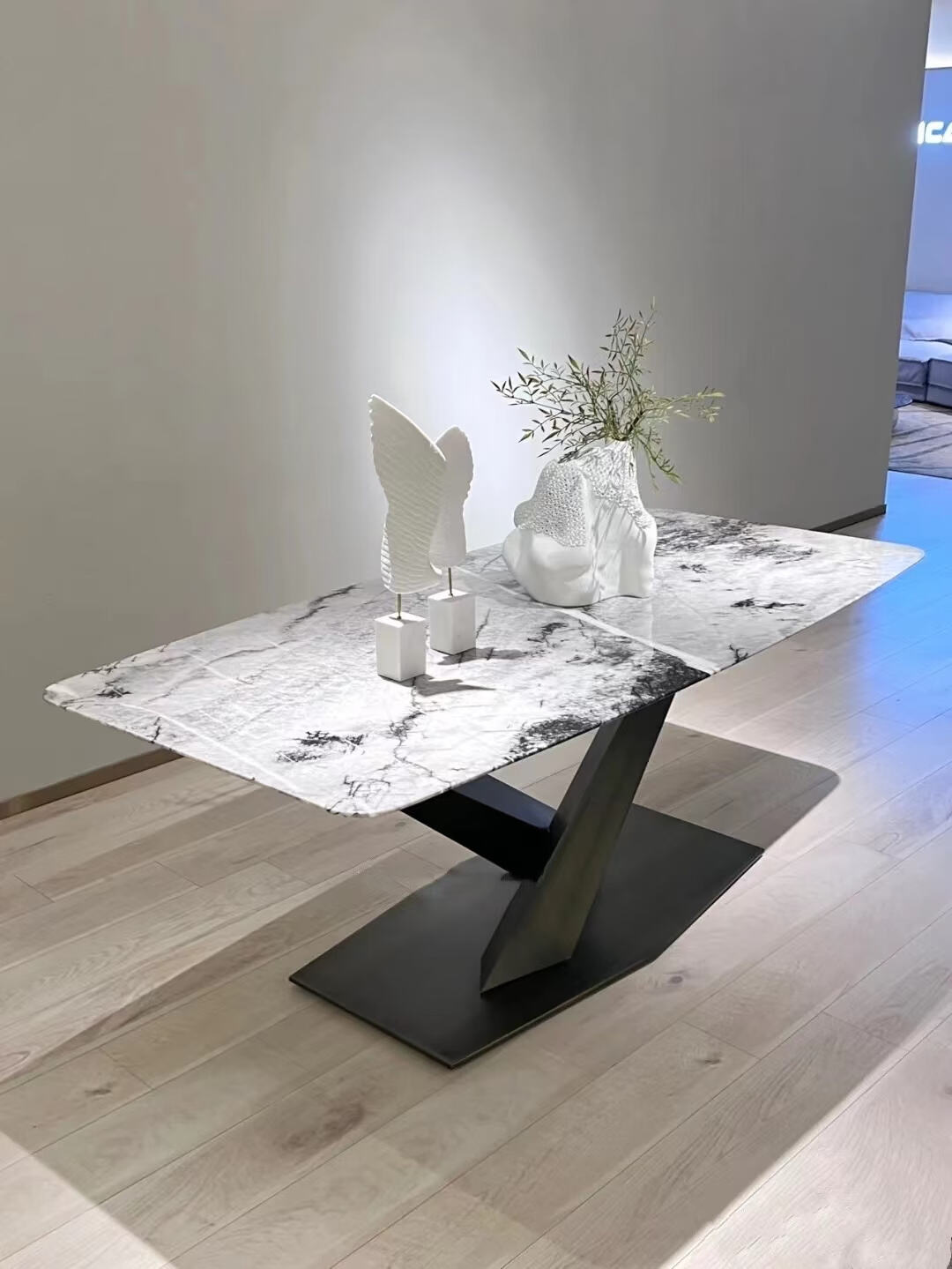
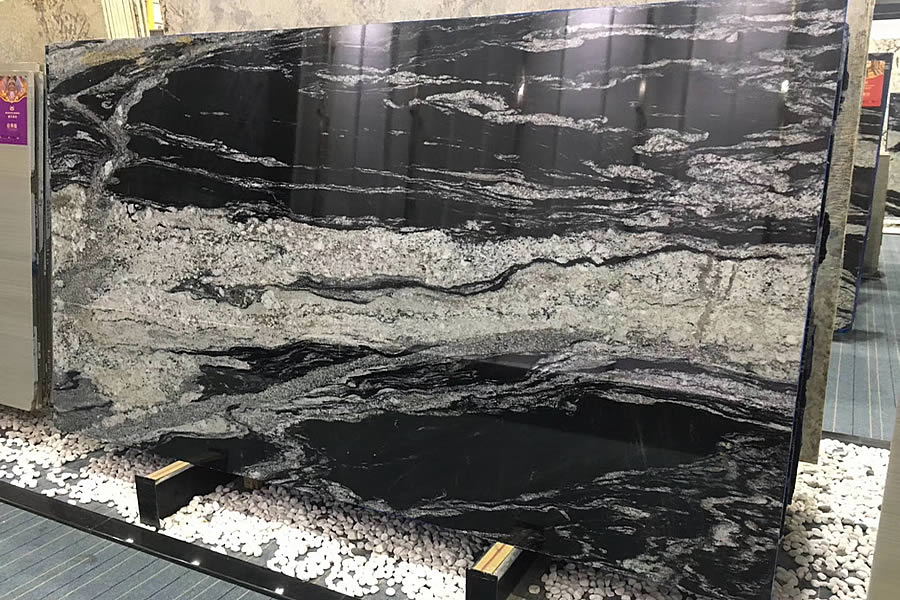
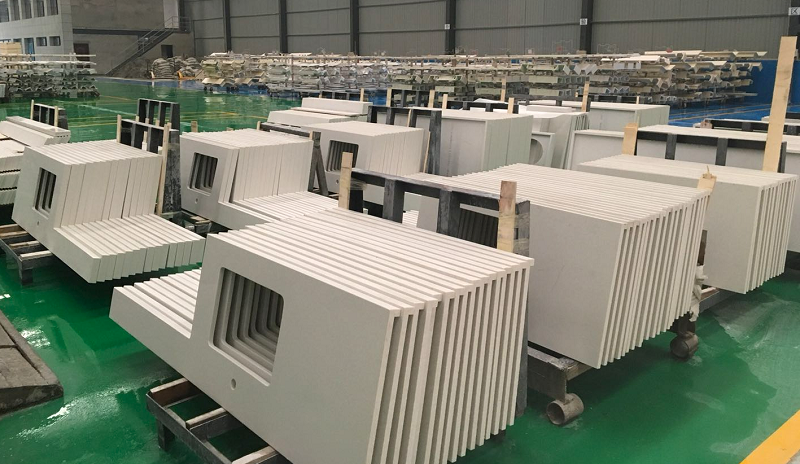
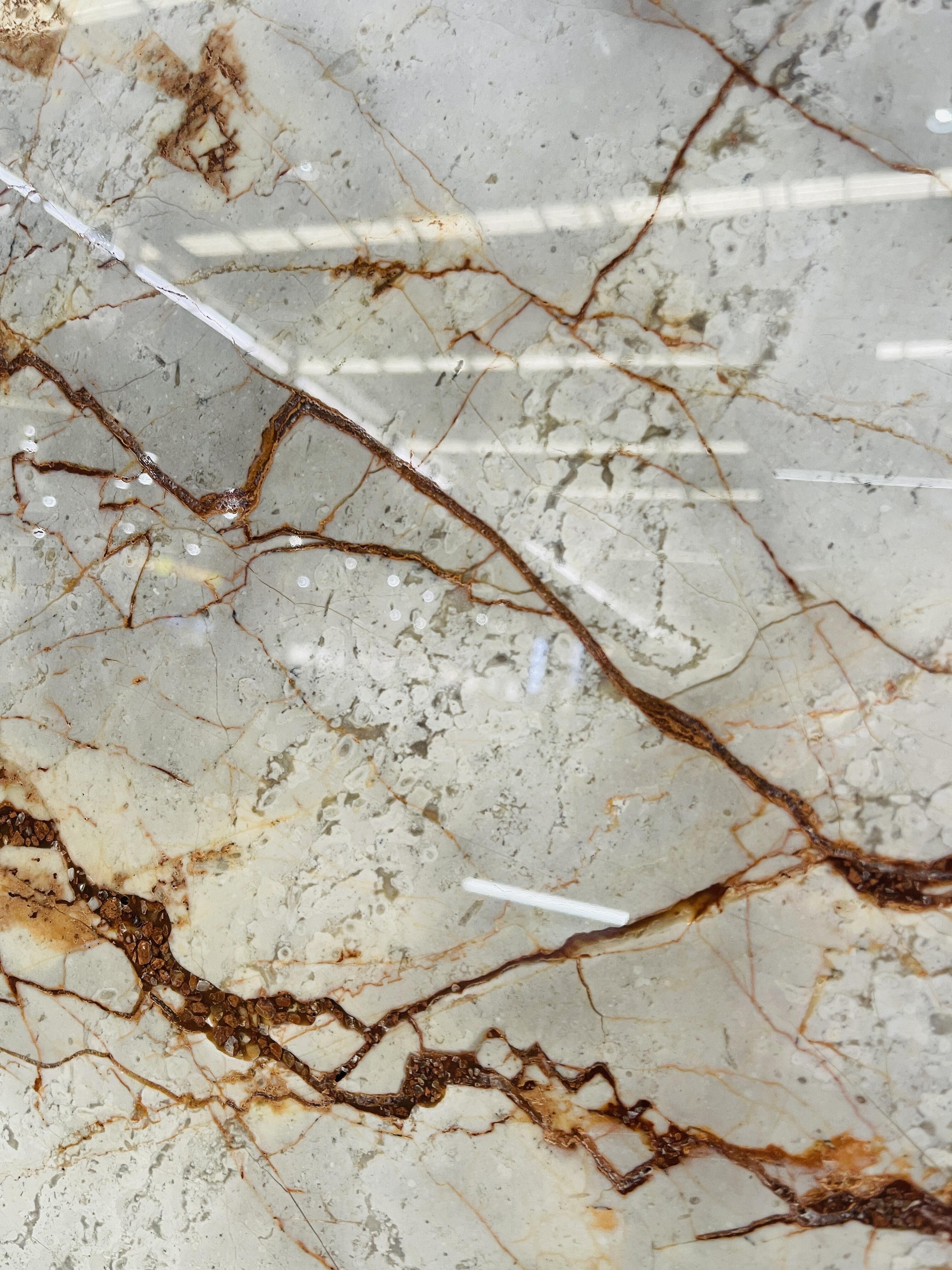
Travertine slabs for walls are specialized natural stone solutions designed explicitly for wall cladding applications, leveraging travertine’s unique porous texture, warm color palette, and natural durability to enhance residential and commercial interiors. GHY STONE, a premier manufacturer with over three decades of expertise in high-quality stone products, processes these slabs using premium travertine varieties, precision cutting technologies, and tailored surface treatments (honed, polished, tumbled), ensuring they meet the structural and aesthetic demands of wall installations—from residential bathroom accent walls to commercial hotel lobbies. The material properties of travertine make it well-suited for wall slabs: it has a density of 2.6–2.7 g/cm³, a porosity of 2–5% (which contributes to its lightweight nature compared to marble or granite), and a flexural strength of 10–12 MPa, allowing it to be fabricated into large slabs without compromising stability. GHY STONE sources travertine from reputable quarries in regions known for high-quality deposits, including Italy (Tivoli travertine, celebrated for its warm beige tones and uniform pores), Turkey (Istanbul travertine, with rich gold and ivory hues), and Iran (Persian travertine, featuring unique vein patterns). Each travertine block undergoes careful selection to ensure consistent color, pore distribution, and minimal structural flaws (e.g., large cracks or uneven density) before being cut into slabs. For wall applications, slabs are typically fabricated in thicknesses of 12mm–20mm (thinner than flooring slabs, reducing weight for wall mounting) and sizes ranging from 24in x 48in to 4ft x 8ft—large-format slabs minimize seams, creating a cohesive wall appearance. GHY STONE offers both filled and unfilled travertine slabs for walls: filled slabs have their natural pores filled with a color-matched resin or cement (ideal for high-moisture areas like bathrooms, as they prevent moisture penetration), while unfilled slabs retain their natural porous texture (suited for dry spaces like living rooms or office reception areas, where texture is a design priority). Every travertine slab for walls undergoes quality testing, including thickness uniformity checks (±0.5mm tolerance), water absorption tests (ASTM C1353, with filled slabs absorbing ≤1% water and unfilled slabs ≤3%), and adhesion strength tests (to ensure compatibility with wall adhesives), ensuring compliance with industry standards for wall cladding. The aesthetic design of travertine slabs for walls focuses on highlighting travertine’s natural texture and warm tones, with surface treatments and color options tailored to diverse design styles. Honed travertine wall slabs (15–20 gloss units) deliver a smooth, matte finish that softens the stone’s texture, creating a calm, sophisticated look perfect for residential bedrooms, boutique hotel guest rooms, or spa interiors—popular color options include Ivory Beige (light beige with subtle gold undertones) and Silver Gray (cool gray with soft white veins). Polished travertine wall slabs (60–70 gloss units) create a subtle sheen that enhances the stone’s color depth without overwhelming the space, making them ideal for commercial lobbies or high-end residential dining rooms—colors like Golden Honey (warm gold with brown veins) and Walnut Brown (deep brown with lighter veins) excel in polished finishes. Tumbled travertine wall slabs (processed with abrasive tumbling to create a weathered texture) add rustic charm, suited for coastal homes, Mediterranean-style restaurants, or cottage interiors—colors like Terra Cotta (warm orange-brown) and Antique White (off-white with soft gray pores) are popular for tumbled slabs. GHY STONE offers custom cuts to fit around wall fixtures (e.g., electrical outlets, window frames) and vein-matching services to ensure adjacent slabs have complementary patterns, creating a cohesive wall appearance. The natural texture of travertine also allows for creative design elements, such as accent walls with mixed filled and unfilled slabs or color gradients (e.g., transitioning from light beige to deep brown in a commercial hallway), adding visual interest without compromising the stone’s organic appeal. Functional features of travertine slabs for walls are engineered to address the unique demands of wall cladding. Their lightweight nature (typically 8–12 lbs per square foot, compared to 15–20 lbs for marble wall slabs) makes them suitable for installation on a variety of wall substrates, including drywall, concrete, and metal partition walls—this versatility is critical for retrofitting projects (e.g., updating an existing office wall without reinforcing the structure). Filled travertine slabs for walls include a moisture-resistant barrier in the filling material, making them ideal for high-moisture areas like bathroom walls, kitchen backsplashes, or commercial laundry rooms—they resist mold growth and staining from water or cleaning products. Unfilled travertine slabs are treated with a penetrating sealant that protects the surface from dust and minor spills while preserving their natural texture. In commercial spaces with high foot traffic (e.g., restaurant dining areas, retail stores), travertine wall slabs are treated with a scratch-resistant topcoat (applied to honed and polished finishes) that withstands contact from cleaning equipment or customer bags without dulling the surface. The natural sound-absorbing properties of travertine (due to its porosity) also reduce echo in large commercial spaces like hotel lobbies or conference rooms, improving acoustic comfort. Installation of travertine slabs for walls is designed to be efficient and adaptable to different substrates, with guidelines tailored to slab type (filled vs. unfilled) and application area (dry vs. wet). GHY STONE provides detailed instructions for professional contractors, including substrate preparation: walls must be clean, dry, and level (±3mm over 2m) to ensure proper adhesion. For dry areas, a high-strength, low-VOC adhesive (with a bond strength of ≥1.2 MPa) is recommended for bonding slabs to drywall or concrete—mechanical fasteners (stainless steel clips) are used for slabs larger than 3ft x 5ft to distribute weight evenly. For wet areas, a moisture-resistant adhesive (formulated for stone in bathrooms or kitchens) is required, and a waterproof membrane is installed behind the slabs to prevent moisture damage to the wall structure. Filled travertine slabs require minimal additional preparation, while unfilled slabs may need a pre-installation sealant application to prevent adhesive from seeping into pores and discoloring the stone. GHY STONE coordinates with contractors to schedule installation during off-peak hours for commercial projects, and temporary protective films are applied to slabs to prevent scratches during installation. Post-installation, a final inspection ensures slab alignment, seam consistency, and finish quality. Maintenance of travertine slabs for walls is straightforward, with protocols tailored to slab type and finish. Daily cleaning involves wiping with a soft microfiber cloth to remove dust—unfilled slabs may require more frequent dusting to prevent debris from accumulating in pores. For spills, a damp cloth and mild, pH-neutral stone cleaner (avoiding acidic products like vinegar or citrus-based cleaners that can etch the stone) are used to clean the surface; filled slabs can be wiped with a slightly damp cloth, while unfilled slabs require gentle cleaning to avoid pushing liquids into pores. The protective sealant is replenished every 12–18 months for filled slabs (24 months for dry areas) and every 6–12 months for unfilled slabs using GHY STONE-recommended travertine-specific sealants. Minor scratches on honed or polished slabs can be buffed with a fine-grit sanding pad (400–600 grit) followed by sealant application, restoring the finish without professional assistance. GHY STONE’s commitment to sustainability extends to travertine slabs for walls. Travertine is sourced from quarries with certified sustainable practices, including reforestation programs, water recycling systems (reducing mining water use by 65%), and ethical labor standards. The cutting process uses energy-efficient diamond-tipped machinery that minimizes material waste, and production scraps (travertine dust, small offcuts) are recycled into aggregate for eco-friendly concrete or decorative gravel. Adhesives and sealants are low-VOC, ensuring indoor air quality for residential and commercial occupants. The durability of travertine (with proper maintenance, it lasts 25–30 years) reduces replacement frequency, lowering long-term environmental impact. Whether used to create a warm bathroom accent wall, a sophisticated commercial lobby backdrop, or a rustic living room feature wall, travertine slabs for walls by GHY STONE deliver unmatched natural beauty, versatility, and durability—enhancing spaces with the timeless appeal of one of nature’s most distinctive stones.
 EN
EN