Panlong Development Zone, Shuitou, Nanan, Fujian 362342 +86-13381026268 [email protected]
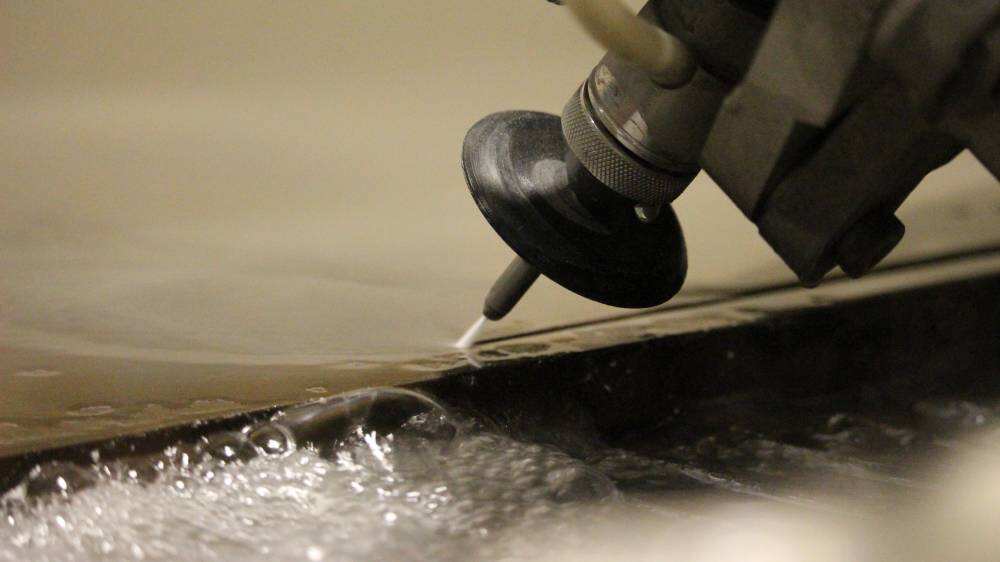
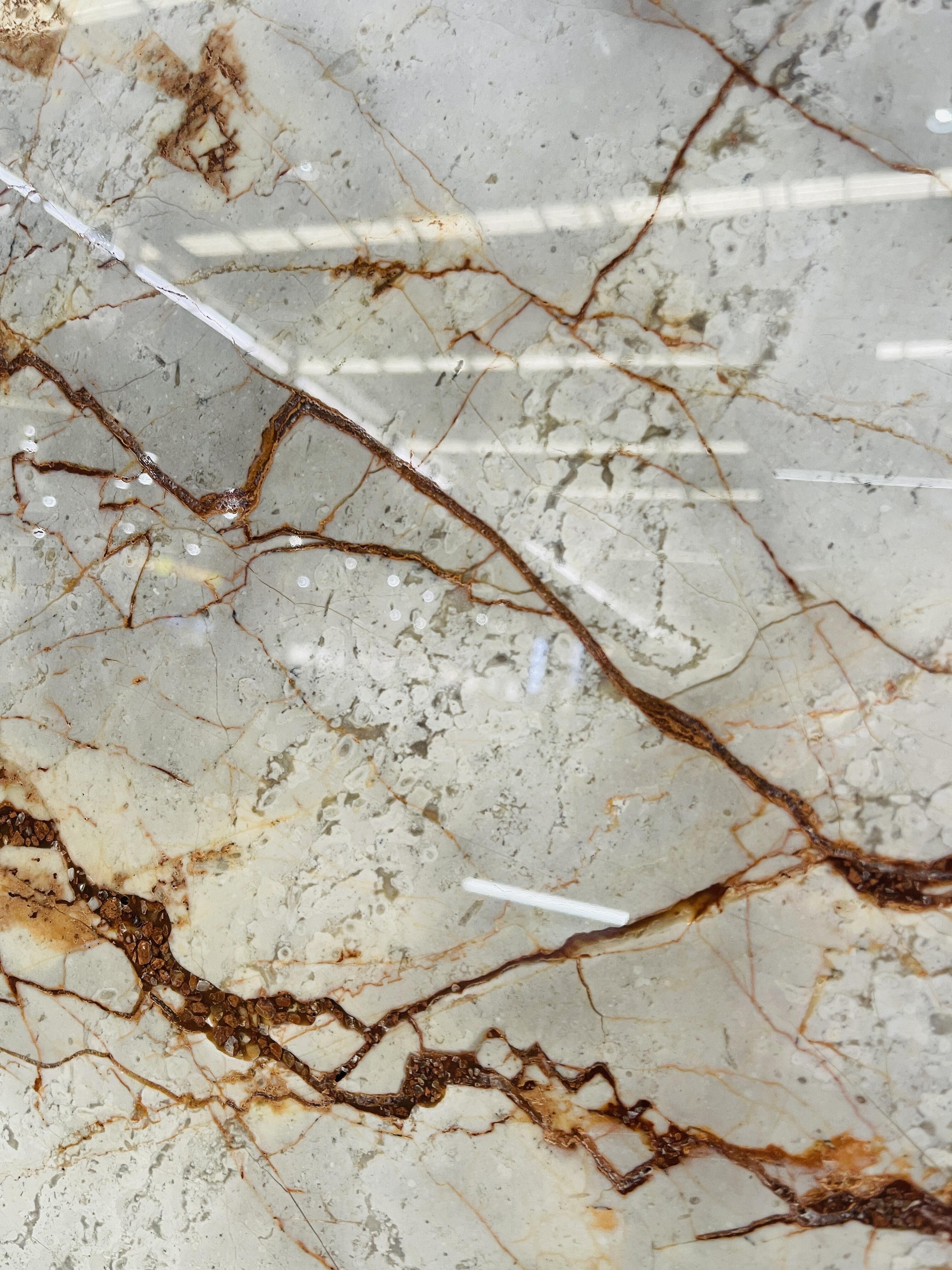
Travertine porcelain slab is an engineered stone product that replicates the natural texture and appearance of travertine using high-quality porcelain, designed to offer the aesthetic of travertine with enhanced durability, moisture resistance, and low maintenance for residential and commercial applications. GHY STONE, a premier manufacturer since 1992, produces these slabs for use in kitchen countertops, bathroom walls, commercial restaurant floors, hotel lobbies, and high-humidity spaces like spas, addressing the limitations of natural travertine (such as high porosity and maintenance needs) while retaining its organic look. The product is composed of 50–60% natural clay, 20–25% quartz, 10–15% feldspar, and pigment additives (to replicate travertine’s hues like beige, ivory, and gray), processed through a high-pressure pressing (≥400 bar) and high-temperature firing (1200–1250°C) process to create a dense, non-porous structure. Key performance characteristics include water absorption of ≤0.1% (ASTM C373, far lower than natural travertine’s 2–3%), making it impervious to mold, mildew, and water damage; scratch resistance of Mohs hardness 6–7 (resisting damage from kitchen utensils or foot traffic); heat resistance (up to 120°C, suitable for countertops near stovetops); and UV resistance (no fading in sunlight, ideal for outdoor covered patios). The fabrication process includes digital inkjet printing (using high-resolution technology to replicate travertine’s natural veining, pores, and texture with precision) to create a realistic surface, followed by CNC cutting to achieve standard slab sizes (120cm×240cm, 160cm×320cm, 180cm×360cm) and custom dimensions, with thickness options of 6mm–20mm (6–12mm for walls, 15–20mm for countertops/floors) and a flatness tolerance of ±0.1mm/m. Surface finishes mimic natural travertine: honed finishes (matte, replicating filled travertine’s smooth texture) are ideal for bathrooms; tumbled finishes (textured, mimicking weathered travertine) suit outdoor patios; and polished finishes (subtle sheen, replicating lightly polished travertine) work for hotel lobbies. A clear, protective glaze is applied post-firing to enhance stain resistance and ease of cleaning, eliminating the need for sealing (unlike natural travertine). Installation is streamlined: wall slabs are mounted using polymer-modified mortar (for concrete or drywall substrates) or peel-and-stick backing (for renovations); countertops are installed with epoxy adhesive and supported by cabinetry; floor slabs use thin-set mortar on concrete or plywood substrates. The lightweight design (15–50 kg/m², depending on thickness) reduces structural load, and large-format sizes minimize grout lines (1–2mm), reducing cleaning needs. Maintenance is simple: daily cleaning with a dry cloth or vacuum; weekly wiping with a damp cloth and mild detergent (no specialized stone cleaners required); and occasional polishing with a porcelain cleaner to restore shine. GHY STONE’s sustainable practices include using recycled clay in production and energy-efficient firing equipment, aligning with green building standards. Whether used in a residential kitchen seeking travertine’s look with low maintenance, a commercial restaurant needing durable flooring, or a hotel spa requiring moisture-resistant walls, travertine porcelain slab delivers realistic aesthetics, exceptional durability, and practical performance, embodying GHY STONE’s commitment to innovative engineered stone solutions.