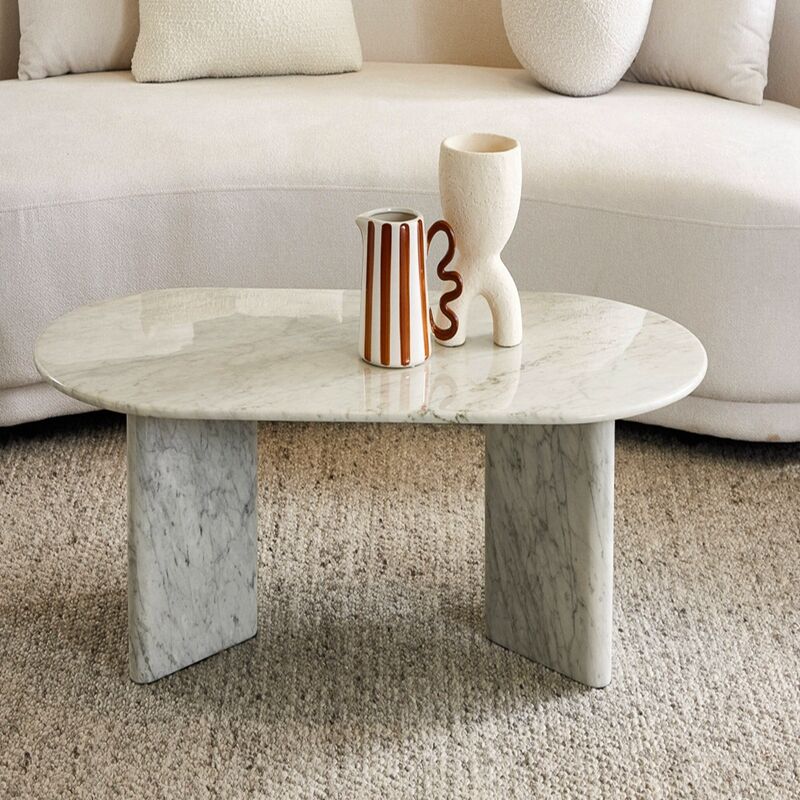
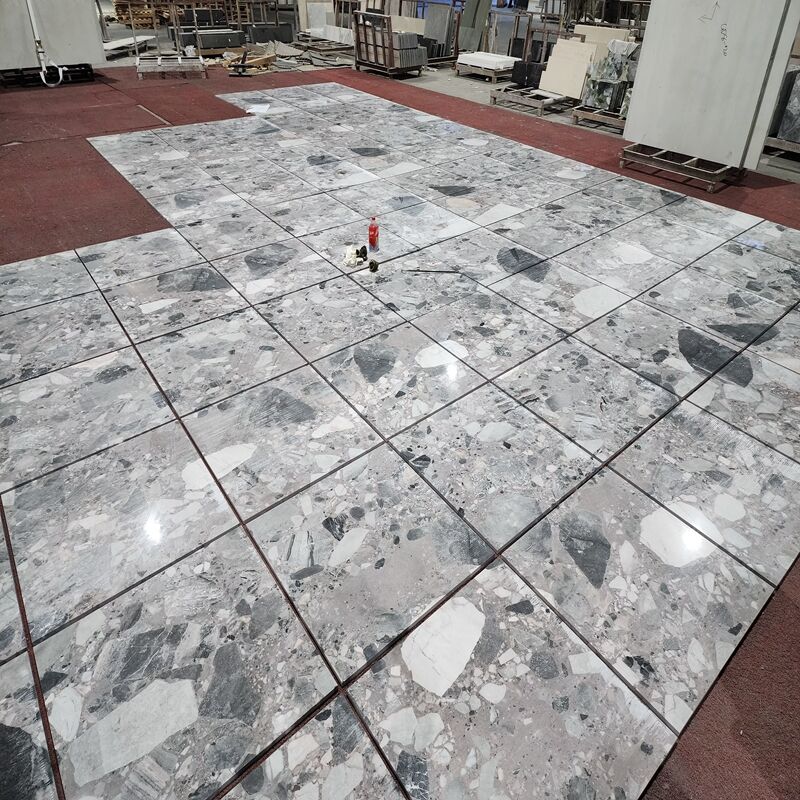
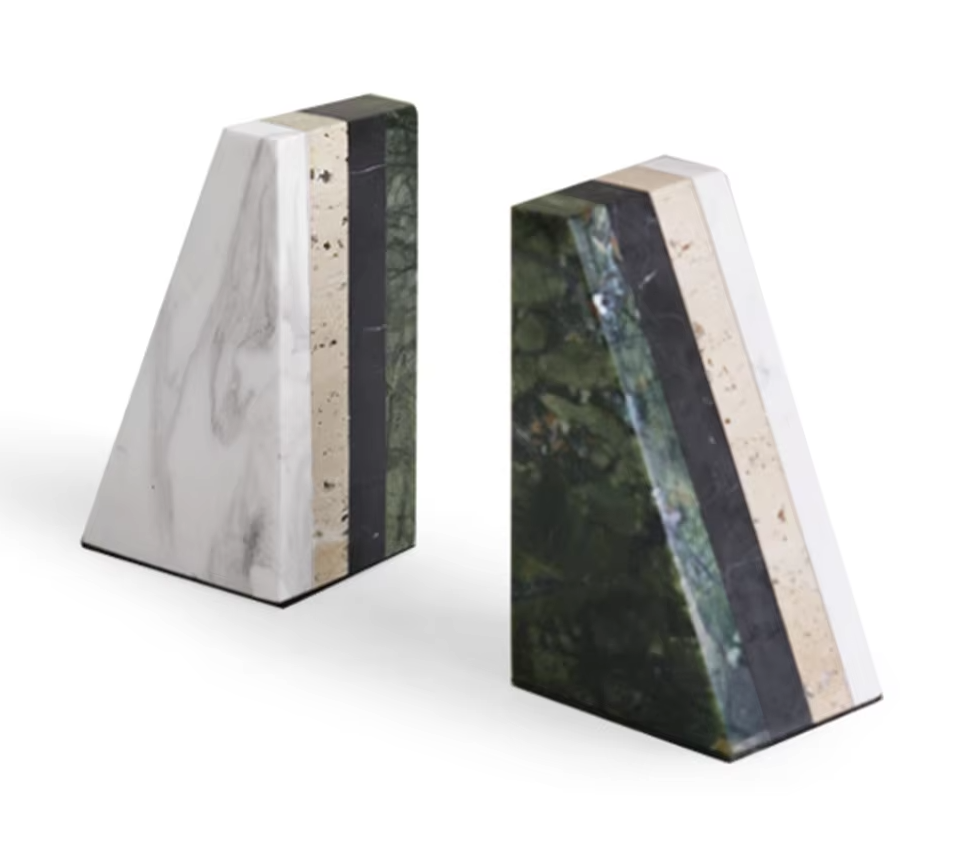
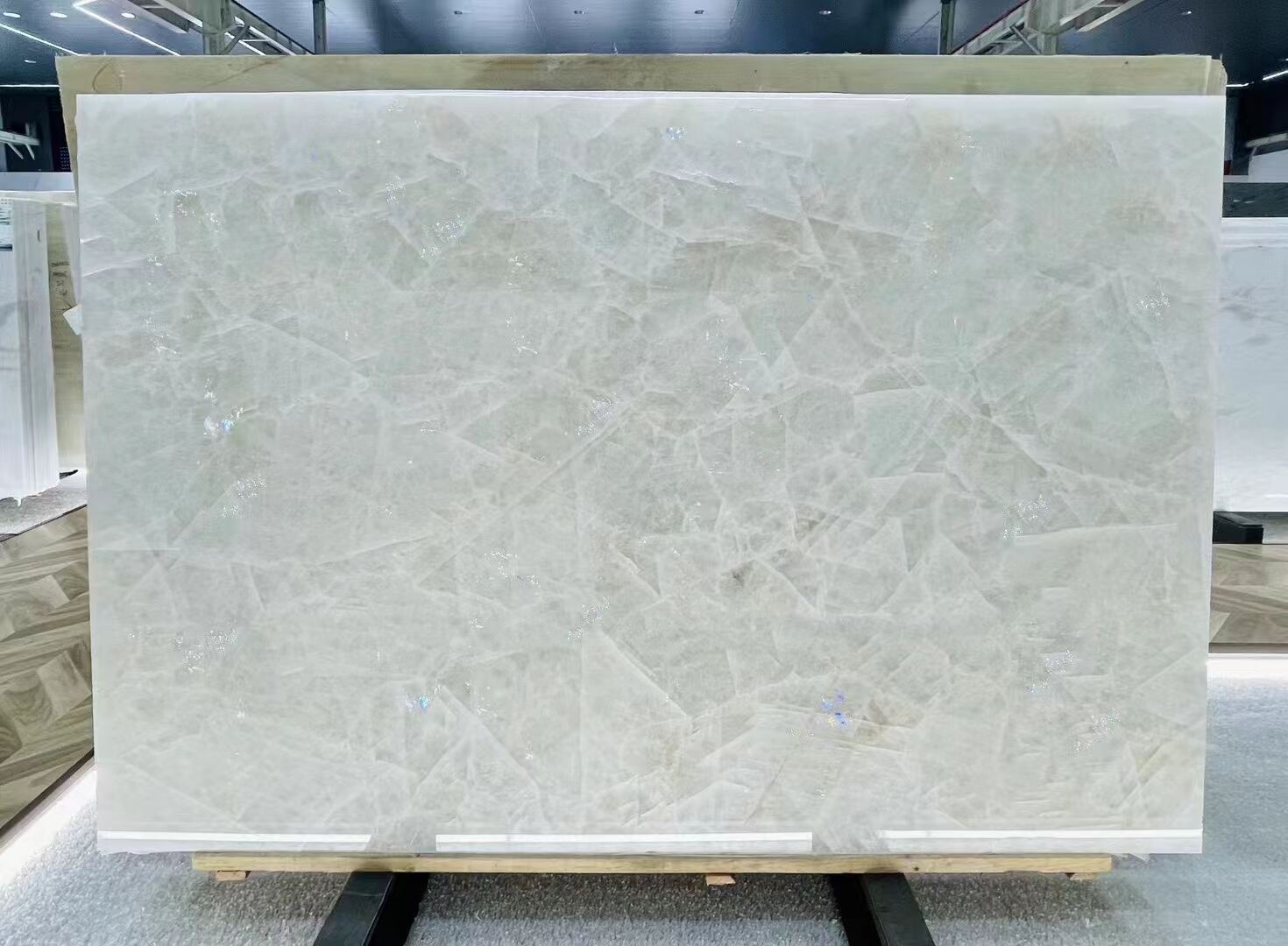
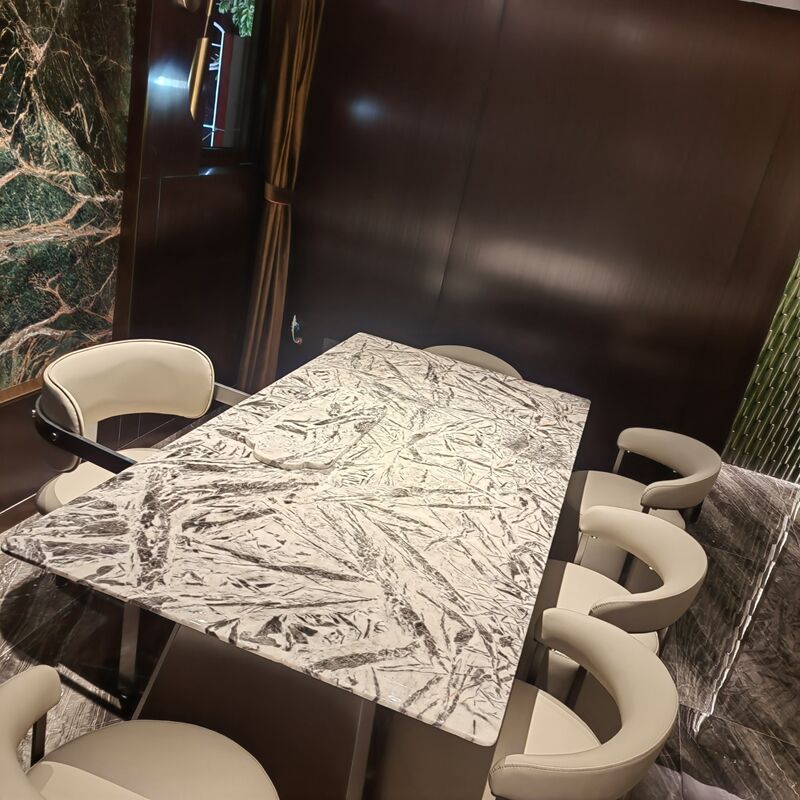
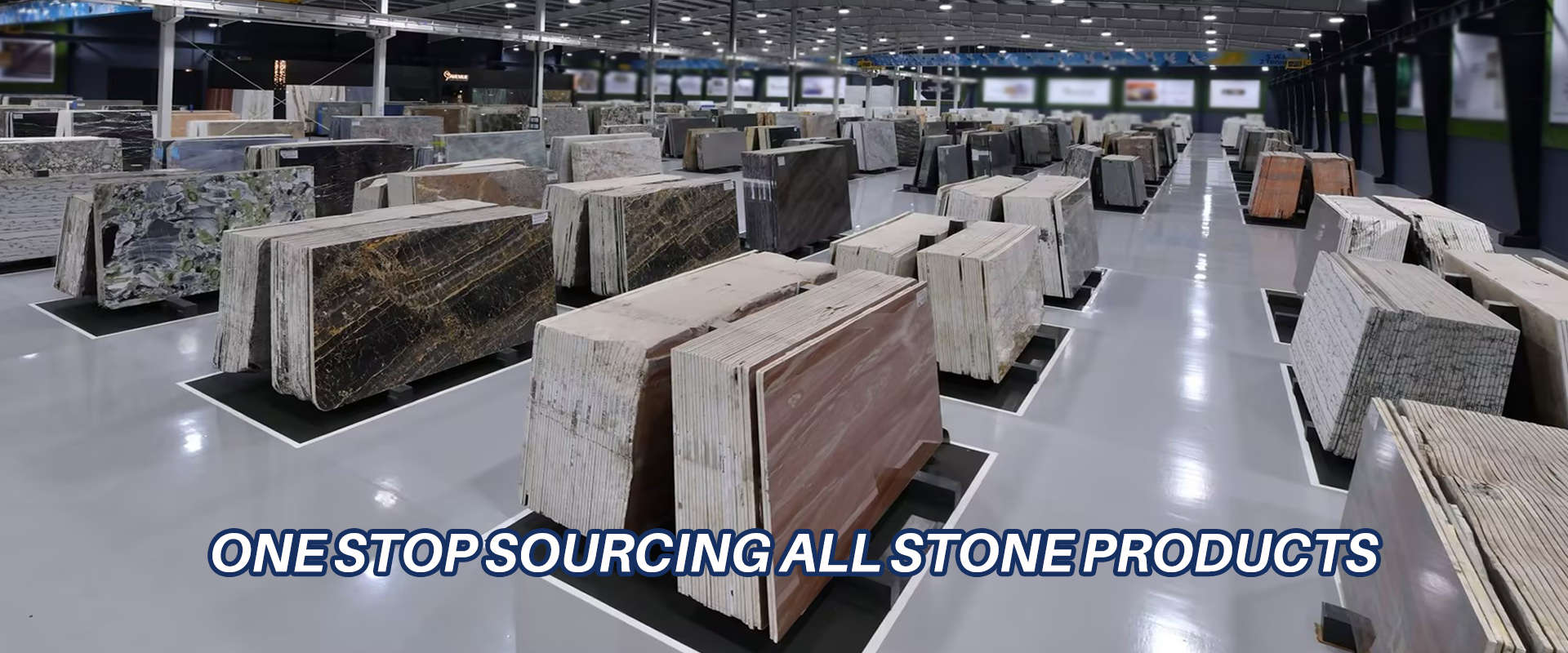
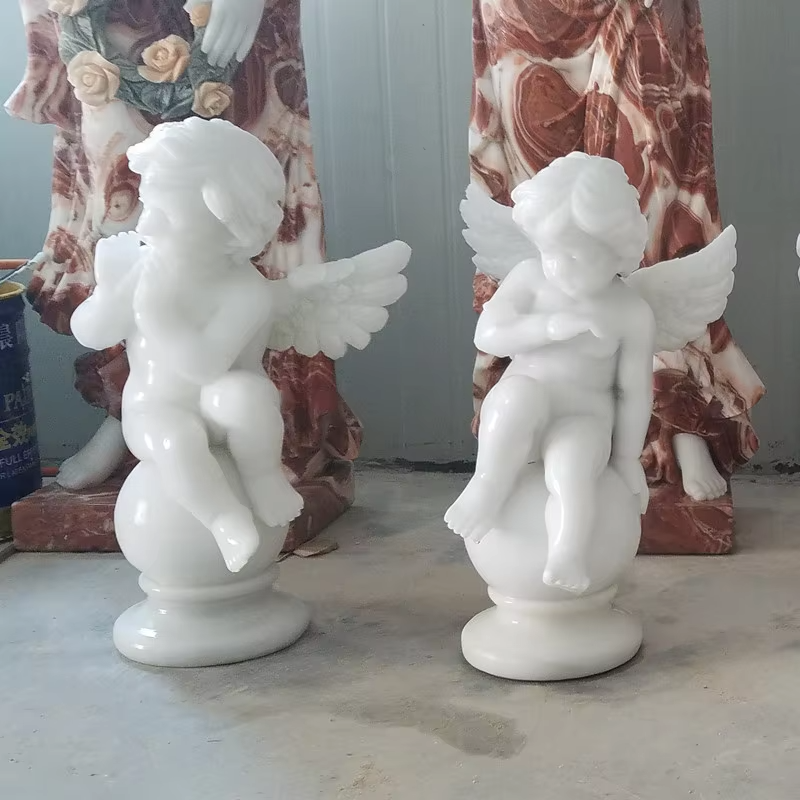
Scratchresistant marble wall panels are designed to withstand daily wear and tear, preventing unsightly scratches from damaging the surface while preserving the natural beauty and structural integrity of marble. GHY STONE, a premier manufacturer with over three decades of expertise in stone products, develops these panels through advanced material engineering, surface hardening treatments, and quality control processes to deliver exceptional scratch resistance—making them suitable for high-traffic residential spaces (like hallways or playrooms) and commercial environments (such as retail stores, hotels, or offices) where contact with furniture, bags, or equipment is frequent. The core of scratch resistance lies in the selection of marble materials with inherent hardness. GHY STONE prioritizes marble varieties with higher Mohs hardness ratings (a scale used to measure mineral hardness) for these panels. While natural marble typically ranges from 3 to 5 on the Mohs scale, the company selects varieties at the higher end of this range (such as certain white marble or marble-quartz blends) that are naturally more resistant to scratches. For engineered marble wall panels, GHY STONE enhances hardness by incorporating quartz aggregates into the marble dust and resin mixture—quartz has a Mohs hardness rating of 7, significantly higher than marble, creating a composite material that is far more scratch-resistant than natural marble alone. This engineered blend retains the visual appeal of marble (natural veining, color variations) while gaining the durability of quartz, making it an ideal choice for spaces prone to scratches. Advanced surface hardening treatments further boost the scratch resistance of the panels. GHY STONE uses a proprietary process called crystallization, which involves applying a chemical solution (containing fluorosilicic acid or similar compounds) to the marble surface and heating it to a specific temperature. This process reacts with the calcium carbonate in marble to form calcium silicate, a hard, glass-like layer on the surface. The crystallization layer increases the surface hardness by up to 50%, creating a barrier that resists scratches from sharp objects like keys, furniture legs, or metal fixtures. Another treatment option is the application of a ceramic coating—a thin, transparent layer of ceramic material that bonds to the marble surface. Ceramic coatings have a high hardness rating (often 9H on the pencil hardness scale, a common measure for surface coatings) and are highly resistant to scratches, as well as fading and chemical damage. These treatments are transparent, ensuring they do not alter the marble’s natural appearance, so the panels retain their elegant veining and color. The manufacturing process of scratchresistant marble wall panels also contributes to their durability. GHY STONE uses state-of-the-art cutting and polishing equipment to ensure the panels have a smooth, uniform surface—irregularities or micro-scratches from manufacturing can weaken the surface and make it more prone to further scratching. The panels are also inspected for surface defects before leaving the factory, ensuring only panels with flawless surfaces (free of cracks, chips, or uneven areas) are shipped to customers. This attention to detail during manufacturing ensures that the scratch-resistant treatments adhere properly and perform optimally. Testing is a critical step in validating the scratch resistance of the panels. GHY STONE subjects each batch of scratchresistant marble wall panels to rigorous testing in accordance with industry standards, such as the ASTM D7027 test method for evaluating the scratch resistance of organic coatings (adapted for stone surfaces). These tests involve using a weighted scratch stylus (with a diamond or tungsten carbide tip) to apply pressure to the panel surface, gradually increasing the load until a scratch is visible. The panels must withstand a minimum load (determined by GHY STONE’s quality standards) to be classified as scratch-resistant. Additionally, the panels are tested for abrasion resistance using a Taber Abraser machine, which measures how well the surface resists wear from repeated rubbing—this ensures that the scratch resistance remains effective even with regular cleaning or contact. The design of scratchresistant marble wall panels considers both functionality and aesthetics. The panels are available in a wide range of marble varieties, including Calacatta gold (with bold gold veining), Carrara (with soft gray veining), and Statuario (with dramatic gray veining), as well as solid-color engineered options. This variety ensures the panels can complement any interior design style, from modern to traditional. The scratch-resistant treatments do not affect the texture of the marble—whether the panel has a polished, honed, or matte finish, the surface feel remains true to natural marble. For example, a polished scratch-resistant panel still has a glossy, reflective surface that enhances the marble’s veining, while a honed panel retains its smooth, matte texture. Installation of scratchresistant marble wall panels follows standard practices for marble cladding, with no specialized tools or techniques required. The panels can be mounted using adhesive (for smooth walls) or mechanical fasteners (for uneven surfaces or high-traffic areas), and they can be cut to fit custom dimensions if needed (though pre-cut standard sizes are available to minimize on-site cutting, which can introduce micro-scratches). GHY STONE provides detailed installation guidelines to ensure the panels are handled and mounted correctly—for example, using padded gloves to avoid scratching the surface during installation and ensuring the wall surface is clean and smooth to prevent uneven pressure that could damage the panels. Maintenance of scratchresistant marble wall panels is simple and straightforward. Regular cleaning involves wiping the surface with a soft, lint-free cloth and a mild, pH-neutral cleaner (avoiding abrasive cleaners or scrub brushes that could wear down the scratch-resistant coating). Unlike non-scratch-resistant marble, which may require polishing to remove minor scratches, scratchresistant panels rarely need such treatments—minor marks can often be wiped away, and deeper scratches are less likely to occur. For commercial spaces with heavy foot traffic (like hotel lobbies or retail stores), occasional cleaning with a soft mop (for large wall surfaces) is sufficient to keep the panels looking new. Scratchresistant marble wall panels are versatile and suitable for a wide range of applications. In residential spaces, they are ideal for hallways (where bags or shoes may brush against the walls), playrooms (where toys can cause scratches), kitchens (near food preparation areas), and bathrooms (around showers or vanities). In commercial spaces, they excel in retail store fitting rooms (where clothing hangers may scratch walls), hotel guest corridors (with frequent luggage contact), office break rooms (near chairs or equipment), and restaurant dining areas (where chairs or serving trays may bump the walls). Their ability to withstand daily wear makes them a practical choice for any space where durability is a priority. GHY STONE’s commitment to sustainability is integrated into the production of scratchresistant marble wall panels. The surface treatments and coatings used are low-VOC and environmentally friendly, reducing their impact on indoor air quality. The company also sources marble from quarries that follow sustainable mining practices, minimizing deforestation and soil erosion. Additionally, the durable nature of scratchresistant panels means they have a longer lifespan, reducing the need for replacement and lowering overall waste. Whether used in a busy family home, a bustling retail store, or a luxury hotel, scratchresistant marble wall panels by GHY STONE offer the perfect combination of natural marble’s timeless elegance and the practicality of scratch resistance. They address a major concern with traditional marble, making it a more durable and long-lasting choice for residential and commercial projects alike.
 EN
EN