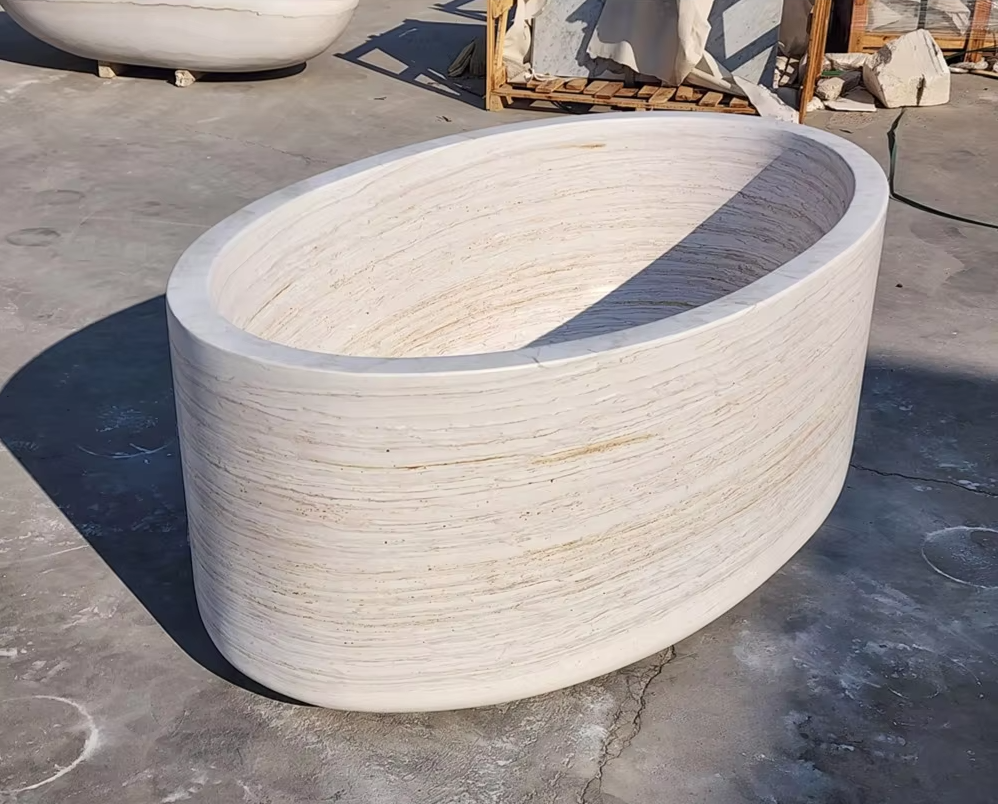
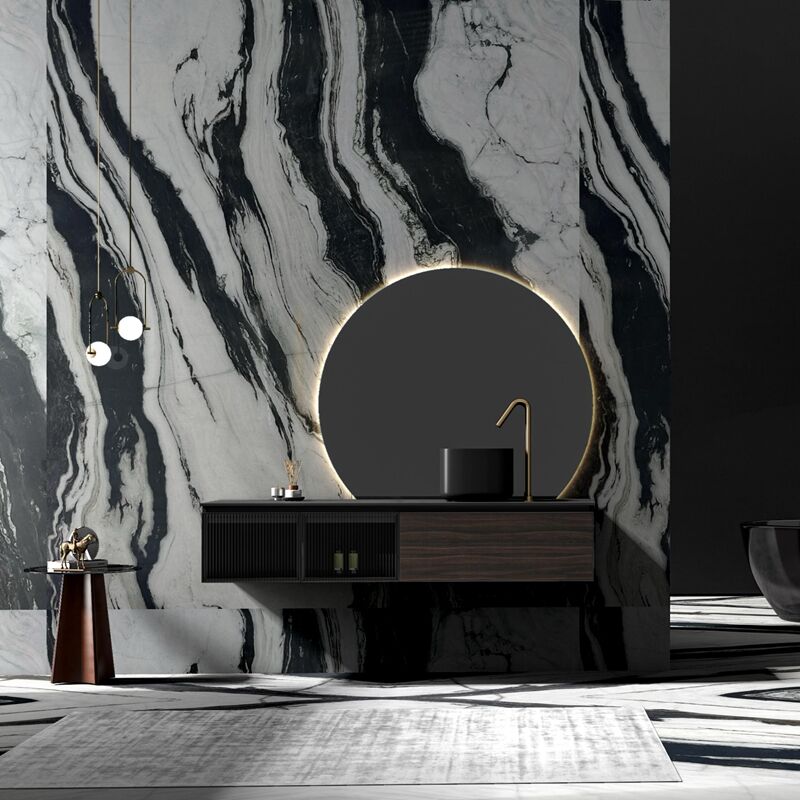
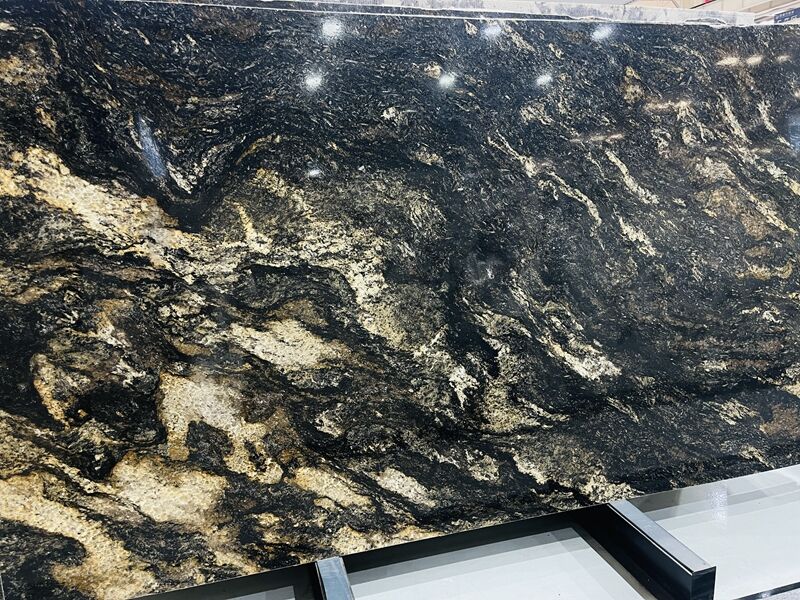
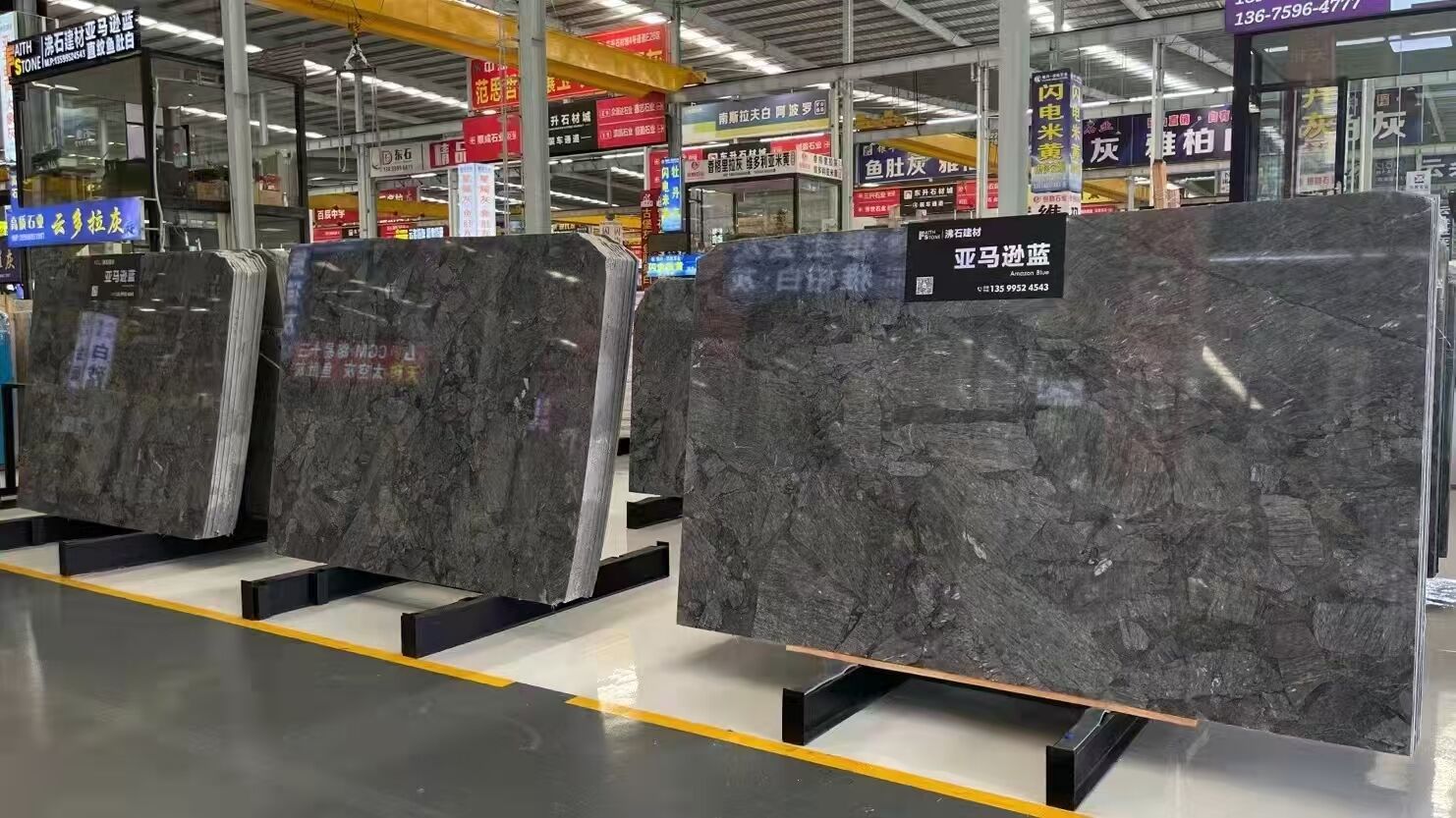
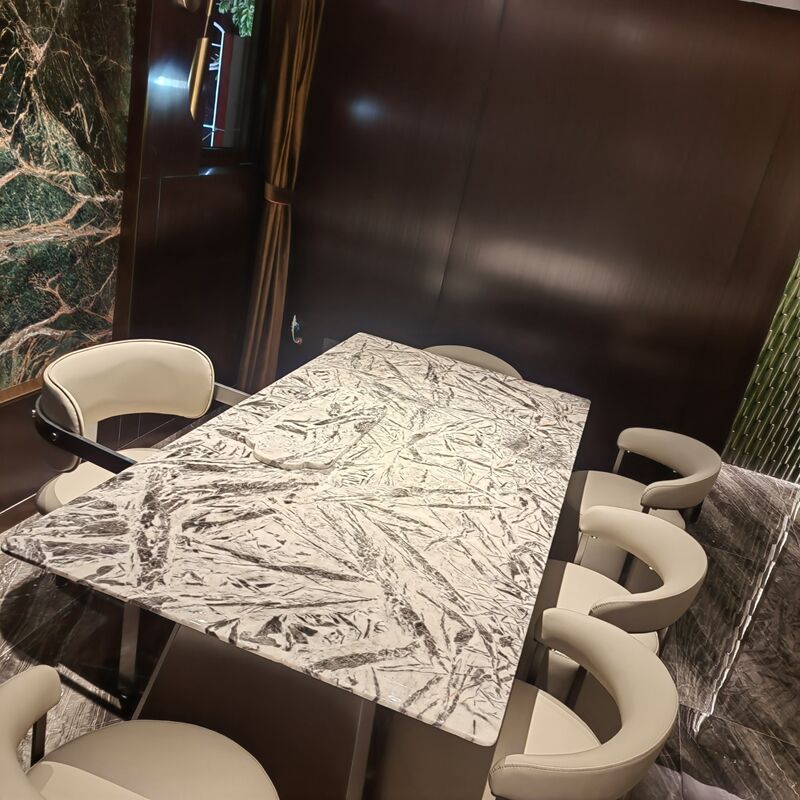
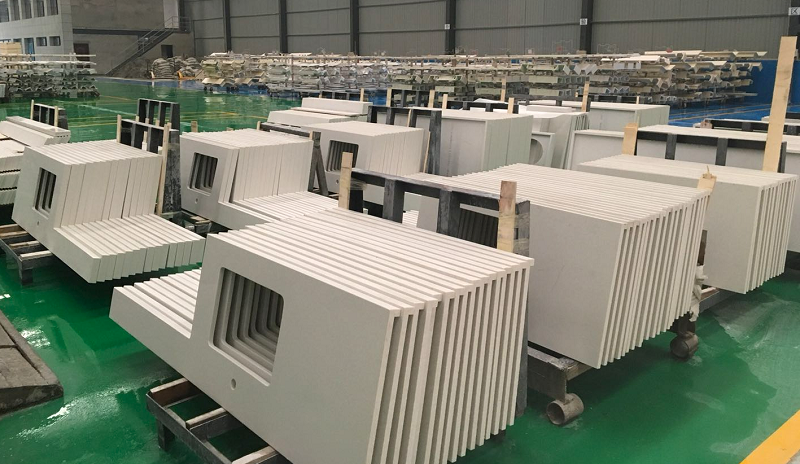
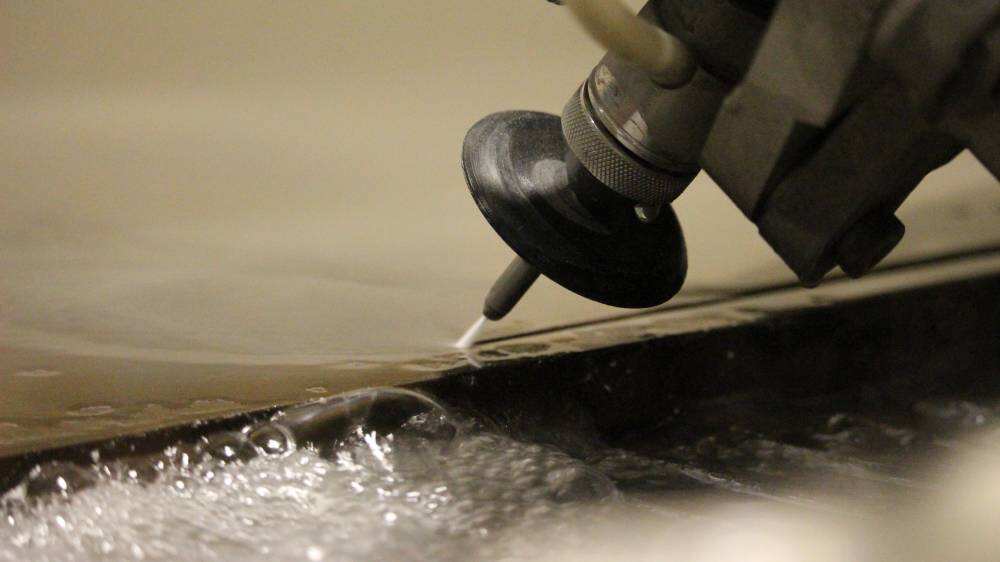
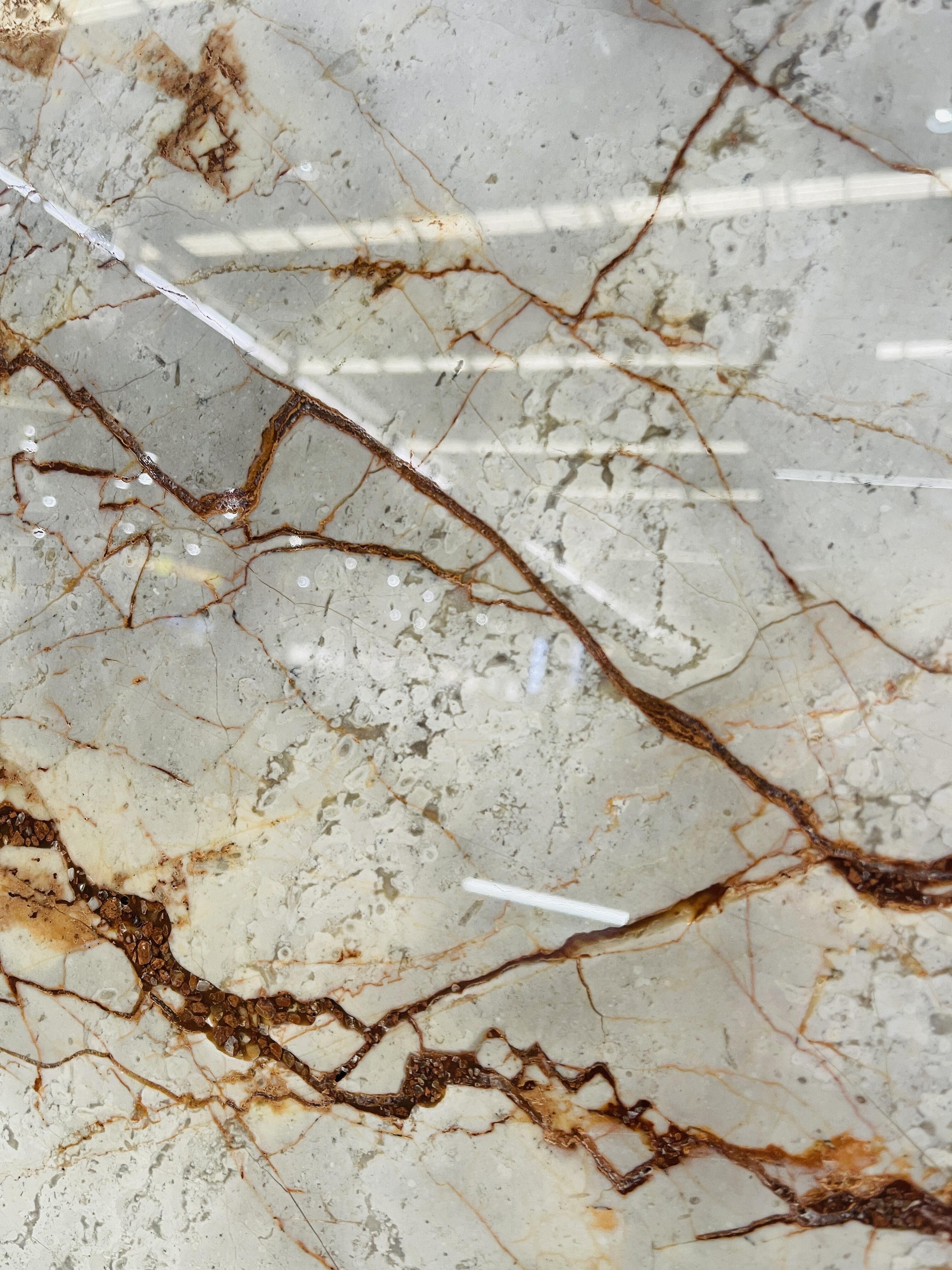
Natural stone travertine slabs are authentic, unmodified stone solutions crafted entirely from quarried travertine—a sedimentary rock formed by mineral-rich spring water deposits—valued for their organic texture, warm color palette, and inherent durability. GHY STONE, a premier manufacturer with over three decades of expertise in high-quality stone products, processes these slabs using traditional quarrying methods combined with modern precision cutting technologies, ensuring they retain the natural characteristics of travertine (e.g., unique pore patterns, subtle veining) while meeting the functional demands of residential and commercial applications, from kitchen countertops to outdoor patio flooring. The sourcing and processing of natural stone travertine slabs prioritize authenticity and quality, starting with selective quarrying. GHY STONE partners with reputable quarries in regions renowned for premium travertine deposits, including Italy’s Tivoli (famous for dense, uniform travertine with warm beige and gold tones, used in historic buildings like the Colosseum), Turkey’s Bursa (known for travertine with rich ivory and honey hues and consistent pore distribution), and Iran’s Naein (offering travertine with delicate gray veins and high compressive strength). Quarrying is done using diamond-tipped saws to extract large travertine blocks (up to 10ft x 5ft x 3ft) without damaging the stone’s natural structure, avoiding explosive methods that can cause internal cracks. Each block undergoes initial inspection to assess color consistency, pore density, and structural integrity—blocks with excessive flaws (e.g., large voids, uneven mineral composition) are rejected to ensure only high-quality material is processed. The blocks are then transported to GHY STONE’s state-of-the-art facilities, where they are cut into slabs using multi-wire diamond saws (capable of cutting slabs with thicknesses from 10mm to 30mm) for precise dimension control (±0.5mm tolerance). After cutting, slabs are processed to remove rough edges and surface imperfections using automated grinding machines (with 120–240 grit abrasives) before surface treatment. Natural stone travertine slabs are available in both filled and unfilled variants: filled slabs have their natural pores sealed with a color-matched cement or resin filler (applied in multiple layers, sanded smooth, and cured) to enhance stain resistance and durability, making them suitable for high-use areas like kitchens; unfilled slabs retain their natural porous texture, appealing to clients seeking an authentic, rustic aesthetic for dry spaces like living rooms or office reception areas. Every natural stone travertine slab undergoes final quality testing, including compressive strength tests (≥120 MPa for flooring slabs), water absorption tests (≤3% for filled slabs, ≤5% for unfilled slabs per ASTM C1353), and flexural strength tests (≥10 MPa for wall slabs) to ensure compliance with global standards for natural stone. The aesthetic design of natural stone travertine slabs celebrates the stone’s organic beauty, with surface treatments and color options that highlight its unique characteristics. Honed natural travertine slabs (15–20 gloss units) feature a smooth, matte finish that softens the stone’s texture, emphasizing its natural color while hiding minor scratches—ideal for modern residential kitchens, spa bathrooms, or boutique hotel guest rooms. Popular honed colors include Ivory Beige (light beige with subtle gold undertones), Silver Gray (cool gray with soft white veins), and Cream White (off-white with minimal variation). Polished natural travertine slabs (60–70 gloss units) have a subtle sheen that enhances the stone’s color depth and veining, creating an elegant look for commercial lobbies, high-end dining rooms, or luxury residential foyers—colors like Golden Honey (warm gold with brown veins) and Walnut Brown (deep brown with lighter pores) excel in polished finishes, as the sheen amplifies their rich tones. Tumbled natural travertine slabs are processed by tumbling cut slabs with abrasive materials (e.g., granite chips, water) to create a weathered, textured surface that mimics aged stone, perfect for Mediterranean-style homes, coastal residences, or outdoor patios—tumbled colors include Terra Cotta (warm orange-brown with natural pores) and Antique Ivory (off-white with grayish pores), which develop a unique patina over time. Unlike engineered stone, natural travertine slabs exhibit slight color and veining variations between slabs, creating a one-of-a-kind installation that feels authentic and organic. GHY STONE offers standard slab sizes from 24in x 48in to 4ft x 8ft, with custom sizes available for large projects (e.g., hotel lobbies, commercial plazas), and provides slab-matching services to ensure complementary patterns in sequential installations. Functional features of natural stone travertine slabs are rooted in the stone’s inherent properties, making them suitable for diverse applications. Their high compressive strength (≥120 MPa) supports heavy loads, making them ideal for flooring in high-traffic commercial spaces (e.g., retail stores, airport corridors) or residential areas with heavy furniture (e.g., living rooms with sofas, dining rooms with large tables). The natural porosity of unfilled slabs (5–8%) gives them sound-absorbing properties, reducing echo in large spaces like open-plan offices or restaurant dining areas, improving acoustic comfort. Filled natural travertine slabs, with pores sealed, offer enhanced stain resistance, making them suitable for kitchen countertops where spills (e.g., coffee, wine, oil) are common—when paired with a penetrating sealant, they resist staining for up to 18 months between resealing. Travertine’s natural thermal conductivity makes it compatible with underfloor heating systems, distributing heat evenly across floors in cold climates, while its heat resistance (up to 150°C) allows placing hot cookware on countertops (though trivets are recommended to preserve the finish). For outdoor applications (e.g., patios, pool decks), natural travertine slabs with tumbled or brushed finishes provide slip resistance (R11 rating per EN 14411), reducing accident risks in wet conditions, and their resistance to freeze-thaw cycles (ASTM C666, no cracking after 50 cycles) ensures durability in cold regions. Installation of natural stone travertine slabs requires careful preparation to leverage the stone’s strengths and mitigate its limitations (e.g., porosity, weight). For flooring applications, the subfloor must be clean, dry, level (±3mm over 2m), and structurally sound—concrete subfloors are sealed with a moisture barrier to prevent water migration, while wooden subfloors are reinforced with plywood and cement board to support the slab’s weight (15–20 lbs per square foot). Slabs are installed using a thin-set mortar formulated for natural stone, with a 1/8in–1/4in grout line (filled with color-matched grout to complement the slab color). For wall cladding, slabs are attached using high-strength adhesive combined with mechanical fasteners (stainless steel anchors) for large slabs (4ft x 8ft or larger) to prevent sagging. Countertop installation involves cutting slabs to size with diamond tools (for sink and cooktop openings) and sealing edges with a resin to prevent chipping. After installation, filled slabs are sealed with a penetrating stone sealant (recommended by GHY STONE) to enhance stain resistance, while unfilled slabs may require an additional coat to reduce dust accumulation in pores. A 48-hour curing period is required before heavy use, and GHY STONE provides post-installation inspections to verify alignment and finish quality. Maintenance of natural stone travertine slabs is tailored to preserve their natural beauty and durability, with protocols varying by finish and application. Daily cleaning involves sweeping or vacuuming (with a brush attachment) to remove dirt and debris that could scratch the surface, followed by mopping with a soft cloth and mild, pH-neutral stone cleaner (avoiding acidic products like vinegar, lemon juice, or harsh detergents that can etch the stone or dissolve fill material). For spills, immediate blotting with a clean cloth is essential—especially for unfilled slabs, where liquids can penetrate pores quickly. Filled natural travertine slabs require resealing every 12–18 months (annually for high-use countertops), while unfilled slabs need resealing every 6–12 months to maintain stain resistance; GHY STONE recommends a water-based penetrating sealant that preserves the stone’s breathability (preventing moisture buildup behind slabs). Minor scratches on honed or polished slabs can be buffed with a fine-grit sanding pad (400–600 grit) followed by sealant application, while etch marks can be repaired with a marble/travertine restoration kit. For outdoor slabs, annual pressure washing (low pressure, ≤1500 psi) removes dirt and mildew, followed by resealing to protect against weathering. GHY STONE’s commitment to sustainability is integrated into every stage of natural stone travertine slab production. Quarrying partners adhere to certified sustainable practices, including reforestation programs (planting native trees to restore mined areas), water recycling systems (reducing quarry water use by 65%), and ethical labor standards (ensuring fair wages and safe working conditions for quarry workers). At GHY STONE’s facilities, production waste (travertine dust, offcuts) is recycled into smaller stone products (e.g., coasters, decorative trays) or construction aggregate, minimizing landfill waste. Cutting and grinding processes use energy-efficient machinery powered by renewable energy (solar and wind), reducing carbon emissions by 30% compared to traditional methods. Adhesives, grouts, and sealants are low-VOC, ensuring indoor air quality for residential and commercial occupants. The durability of natural travertine slabs (25–30 years with proper maintenance) reduces replacement frequency, lowering the long-term environmental impact of stone solutions. Whether used to create a warm living room floor, a durable kitchen countertop, an elegant commercial lobby wall, or a slip-resistant outdoor patio, natural stone travertine slabs by GHY STONE deliver unmatched authenticity, natural beauty, and versatility—embodying the company’s commitment to excellence and sustainability in high-quality stone products.
 EN
EN